
What are the principles for selecting CNC cutting parameters in CNC machining
author: Hansheng Automation
2023-03-10
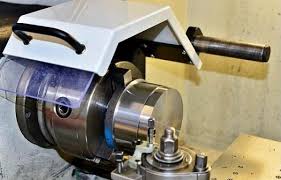
When programming CNC, the programmer must determine the cutting amount for each process and write it into the program in the form of instructions. The cutting amount includes spindle speed, back feed, and feed rate. For different machining methods, different cutting amounts need to be selected.
The selection principle of cutting amount is to ensure the machining accuracy and surface roughness of the parts, fully utilize the cutting performance of the tool, ensure reasonable tool durability, and fully utilize the performance of the machine tool to maximize productivity and reduce costs.
1. Determine the spindle speed
The spindle speed should be selected based on the allowable cutting speed and the diameter of the workpiece (or tool). The calculation formula is: n=1000 v/7 1D, where: v? The cutting speed, in m/m movement, is determined by the durability of the tool; N - Spindle speed, in r/min, D is the diameter of the workpiece or tool, in mm. Calculate the spindle speed n, and finally select the speed that the machine tool has or is closer to.
2. Determine feed rate
Feed rate is an important parameter in the cutting parameters of CNC machine tools, mainly selected based on the machining accuracy and surface roughness requirements of the parts, as well as the material properties of the cutting tools and workpieces. The maximum feed speed is limited by the stiffness of the machine tool and the performance of the feed system. The principle of determining the feed rate: When the quality requirements of the workpiece can be guaranteed, a higher feed rate can be selected to improve production efficiency.
Generally selected within the range of 100-200mm/min; When cutting, processing deep holes, or using high-speed steel cutting tools, it is advisable to choose a lower feed speed, usually within the range of 20-50mm/min; When the machining accuracy and surface roughness requirements are high, the feed speed should be selected smaller, generally within the range of 20-50mm/min; When the tool is in idle travel, especially when it is "reset to zero" at a long distance, the maximum feed speed set by the CNC system of the machine tool can be set.
3. Determine the back bite rate
The back feed is determined by the stiffness of the machine tool, workpiece, and tool. If the stiffness allows, the back feed should be equal to the machining allowance of the workpiece as much as possible, which can reduce the number of tool passes and improve production efficiency. In order to ensure the quality of the machined surface, a small amount of finishing allowance can be left, usually 0.2-0.5mm. In short, the specific value of the cutting amount should be determined by analogy based on machine tool performance, relevant manuals, and practical experience.
At the same time, the spindle speed, cutting depth, and feed speed can be adapted to each other to form the optimal cutting amount.
The cutting amount is not only an important parameter that must be determined before machine tool adjustment, but also has a very important impact on processing quality, processing efficiency, production costs, etc. whether its numerical value is reasonable or not.
The so-called "reasonable" cutting amount refers to the cutting amount that fully utilizes the cutting performance of the tool and the power performance (power, torque) of the machine tool, while ensuring quality, to achieve high productivity and low processing costs.
Have you ever understood the development background of CNC machining
Understand the causes of machining deformation and cracking
Related Article

Let us go over the foundations of the electroplating procedure. Electroplating involves several phases, and from pre-treatment to post-treatment there are several really significant ones.
The basic principle of surface treatment of precision parts in CNC machining

Audio panels, electronic cigarette shells, nameplateLOG, watch shells, etc. are among the CNC processing of high surface texture needs components.
CNC machining aluminum alloy parts high-quality surface texture process explained in detail

Metallic finishing, sometimes known as metallic finishing, is the process of using several techniques to change the surface of an object in order to improve appearance and performance, such as corrosion resistance, discoloration resistance, chemical resistance, abrasion resistance, and hardness, modify electrical conductivity, remove burrs, or apply a specific color to a machined part.
Metal CNC finishing surface treatment process and its working principle
