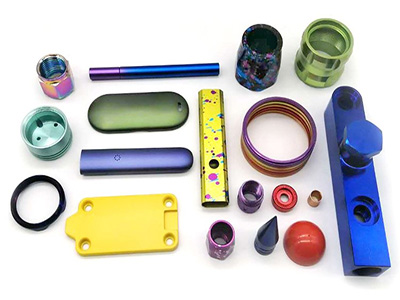
Metal CNC finishing surface treatment process and its working principle
Metal CNC finishing process and how it works
Metallic finishing, sometimes known as metallic finishing, is the process of using several techniques to change the surface of an object in order to improve appearance and performance, such as corrosion resistance, discoloration resistance, chemical resistance, abrasion resistance, and hardness, modify electrical conductivity, remove burrs, or apply a specific color to a machined part.
Usually, it is accomplished by cleaning the component and coating the outside of the metal workpiece either metallic or non-metallic. Commonly used for CNC finishing components of aluminum, stainless steel, brass and other materials, metal surface finishing services.
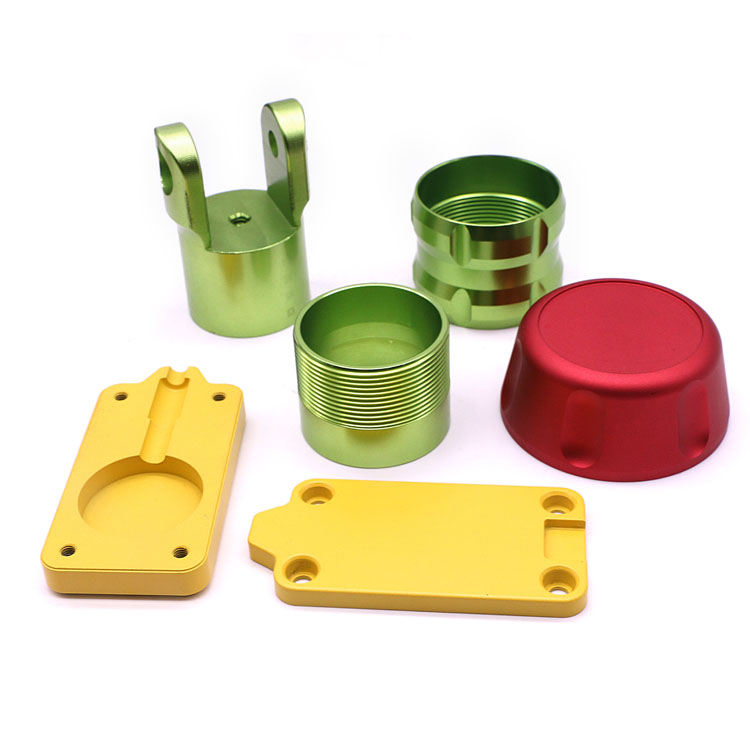
Benefits of the metal CNC finishing surface treatment process
One can sum the function of metal surface treatment as follows:
– Improves appearance
– Add specific beautiful colors
– Alters the gloss
– Enhanced chemical resistance
– Increased abrasion resistance
– Limit the effects of corrosion
– Reduces friction
– Removal of surface defects
– Clean the parts
– as a primer
- Adjust the size
Various kinds of metal surface treatment: Hansheng offers services in this regard.
1. Anodizing
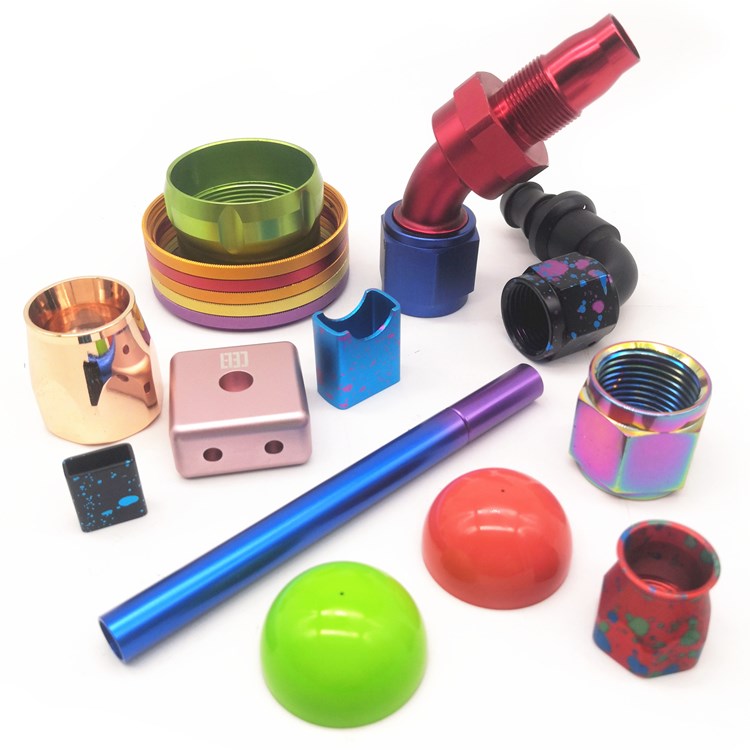
Forming a thin layer of metal oxide on the surface of CNC machined parts, the electrolytic passivation process increases the thickness of the natural oxide layer, protects the metal, adds a range of colors, and enhances corrosion and wear resistance. Although many other metals can also undergo the process, including stainless steel, copper, titanium, zinc, and magnesium, aluminum is the most often used anodized material with well known advantages.
2. Passivation
Mostly applied in steel and stainless steel, a popular chemical surface treatment makes an enclosure to improve corrosion resistance or lower chemical reactivity by using a thin coating of protective material. Using an acid solution, passivation of stainless steel eliminates ferrous impurities and free iron from metal surfaces, therefore preventing corrosion.
3. Plating
The technique of reducing dissolved metal cations with an electric current so that they form a thin, coherent metal coating on the electrode changes the metal surface's characteristics or provides thickness to components too small in size.
4. Spraying
Usually applied to aluminum, stainless steel, and steel alloy components, the technique of spraying paint, pigment, or color into a solid surface as a color protection layer can be done on metal or non-metal CNC produced parts of any shape. The goals are to enhance cosmetic appearance and stop oxidation or corrosion.
5. Black oxide (hot blackening)
With black oxide coatings enhancing corrosion resistance and reducing light reflection, this technology—also known as blackening or gun-bluing—formes a black conversion coating on stainless steel, copper and copper-based alloys, zinc, powder metals, silver solders, and ferrous metal materials.
6. Polishing
Polishing, sometimes referred to as polishing, is the process of rubbing the surface of an item or applying chemical action to produce a smooth, shining surface that results in notable specular reflection or decrease of diffuse reflection of some materials.
7. Powder coating
Applied as a free-flowing dry powder, the method of laying functional and decorative finishes uses static electricity and subsequently cures under heat to produce a hard finish stronger than conventional paints. Key uses include home appliances, aluminum profiles, drum hardware, car, motorcycle, and bicycle parts.
8. Heat treatment
Usually at great temperatures, the process of bringing a metal to a specific state or altering particular qualities using heat or cooling, heat treatment procedures include annealing, tempering, hardening, precipitation strengthening, tempering, carburizing, normalizing, and quenching.
9. Satin finish
Apply gloss between the matte material's dreary matte finish and its brilliant gloss finish. The visual effect relates to ambient lighting; the satin metal finish is glossy, flat, and reflective.
10. Sandblasting
Under high pressure, abrasive blasting equipment—such as a pneumatic system—pushes a stream of abrasive particles made of fast-moving sand particles against the metal surface, removing surface contaminants, cleaning the metal or adding texture, and subsequently alters the smoothness or surface roughness.
11. Transformation coating
Mostly as corrosion inhibitors, cosmetic finishes, or to retain electrical conductivity, coatings—also known as chromate conversion—are used to transform metals into a protective layer by chemical or electrochemical procedures.
Choose the best metal finishing process
After looking over the list of metal finishing surface treatment companies, choose a method depending on simple factors including production time, cost-effectiveness, part tolerances, durability, and application. High tolerance CNC milling, CNC lathe machined parts are not advised for secondary metal surface finishing since the treatment may modify the size of the finished part by removing or adding a little amount of material.
CNC machining aluminum alloy parts high-quality surface texture process explained in detail
What are the surface treatments after aluminum alloy CNC machining
Related Article