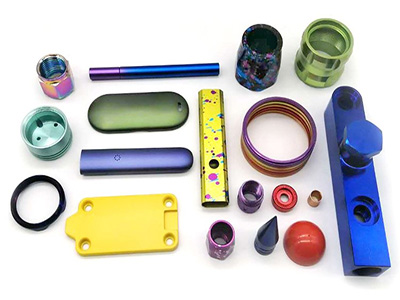
The basic principle of surface treatment of precision parts in CNC machining
Let us go over the foundations of the electroplating procedure. Electroplating involves several phases, and from pre-treatment to post-treatment there are several really significant ones. This post will go over the several plating procedures, which you should be aware exist. Still, we shall concentrate in this part on the fundamental steps of the most often used electroplating techniques. We are electroplating here.
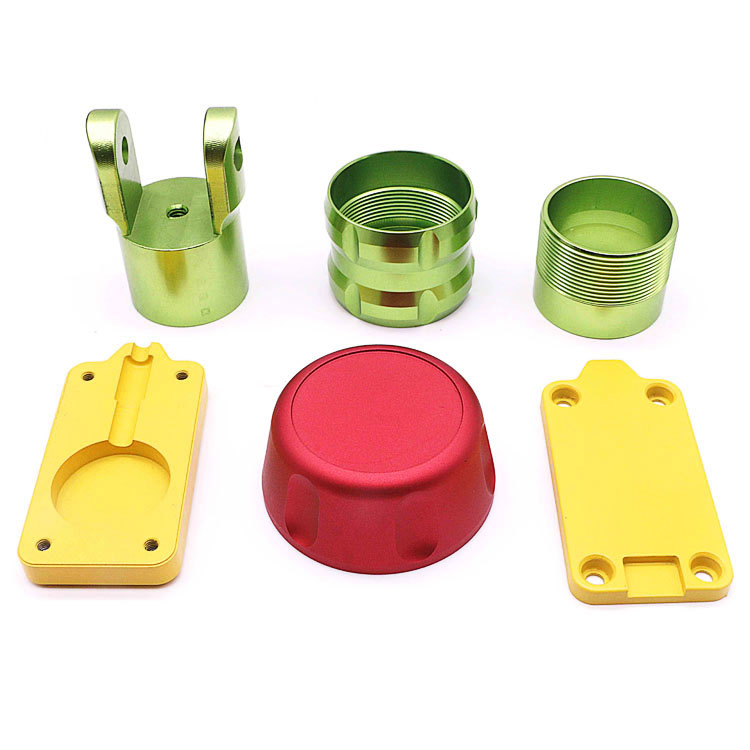
Step 1: Pre-treatment of metal plating surfaces
Making the substrate ready comes first in electroplating. You should so pre-treat it first to ready the substrate for metal plating. It is a crucial mechanism meant to eliminate all dangerous pollutants, greases, and oils.
These materials could impede the plating process and affect consistent and good handling. Your choice plating or substrate will determine whether or not this stage consists of numerous substeps. From cleaning to ascension and other pre-treatments, the sub-steps could span everything.
You are now ready to clean the substrate once it has been correctly finished—that is, if there are burrs, welds, and other surface discrepancies. One might employ several methods to clean the surface of the substrate. It can run on either an acidic or alkaline chemical basis.
The type of material you handle determines the chemical cleaners you employ. For instance:
Products classified as alkaline cleaners have compounds including carbonates, phosphates, borax, etc. Plated surface cleaning of steel, copper, nickel, stainless steel, lead, and titanium calls for their superior performance.
Among the acidic cleaners are hydrochloric acid, sulphuric acid, and few others. They are advised to polish metals including magnesium.
Alkaline cleaners help solve the negative corrosive reactions to zinc, aluminum, brass, bronze, and tin by means of inhibition.
Furthermore, you should know that some substrates just call for one cleaning. Others could need two or more house calls. Following each treatment, rinsing the substrate completely with distilled water will help eliminate all chemical cleansers.
Step 2: Determine the effectiveness of the cleaning process
The plating technique will depend on the standards of your part. It also decides how clean your substrate ought to be at the same moment. For instance, some CAD plating methods call just for the removal of dirt and big chunks of it.
Others must, on the other hand, totally eliminate the oil and grease. How then would one verify the substrate's cleanliness?
• Water breaking experiment. Hold the substrate once the finished result is completely risen and see how the water flows out of its body. There is no oily residue if thrown over a big sheet of paper. Should water droplets exist, though, the oil and grease could still be there.
• Test of wipe. Here, polish the substrate's surface with a fresh towel. Should you find residue or dirt on your cloth, you might have to thoroughly clean the substrate.
• Reflectiveness. Some items' reflectance makes its cleanliness easily judged.
Step 3: Set up the plating station
You can start the process once your cleanliness level is sufficient. It is shown along with the station's construction. You first will need a rectifier or another DC power source. Remember that our main emphasis is on electroplating. Other supplies include suitable baths, cathodes, anodes, and tanks—or barrels.
While the cathode is your substrate, the anode comprises the solid sheet of metal you wish to deposit. Water is the most often used electroplating solution among manufacturers. Arranging an electroplating station is really simple. Start by tying the rectifier's negative lead to the substrate. The positive lead is subsequently straight into the plating solution.
Step 4: Plating process
The deposition process starts moment the current is turned on. Your items will have to be exposed to an electric current for more time if you wish their plating to be thicker. You should take some factors into account regarding various metals before plating. Among these variables are voltage level, temperature, immersion time, etc.
Sometimes a plating solution is already made-ready. Here you will print the settings for every factor on the container. Generally speaking, more appropriate results come from greater voltages. The result will be no bubbles in the solution.
Step 5: Post-treatment process
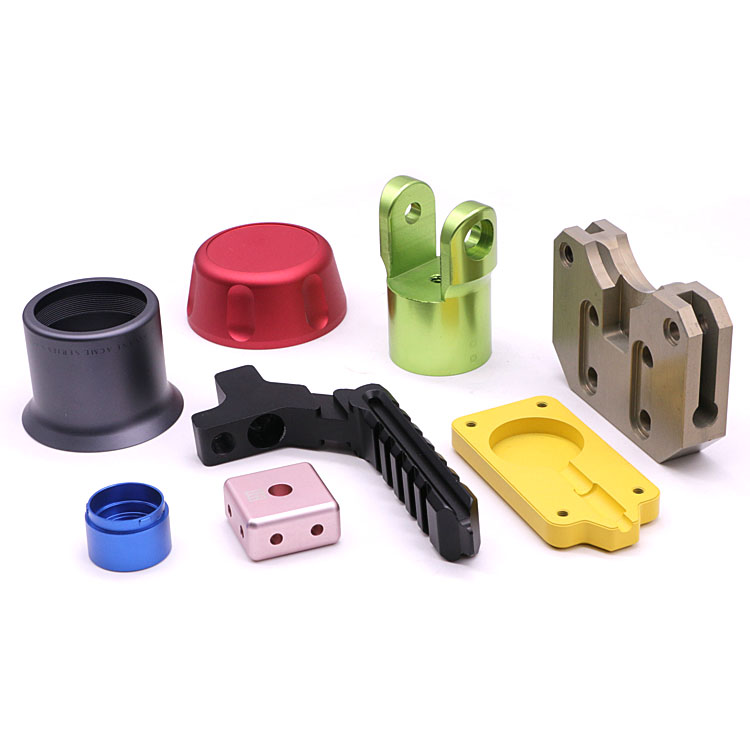
Usually, post-treatment cleaning is needed once appropriate deposition on a metal surface has been obtained. This helps to reduce discolouration. The market features numerous cleaners accessible to us. Another good method is electro-polishing following plating. This enhances resistance against corrosion.
Step 6: Waste disposal
Usually, heavy metals are generated following many plating procedures. These metals can be fatal because of their great toxicity levels. It becomes so crucial to be swift and effective. One good approach is to pre-treatment electroplating wastewater before treating it.
CNC machining aluminum alloy parts high-quality surface texture process explained in detail
Related Article