
What are the advantages of CNC precision machining parts
author: Hansheng Automation
2023-05-16
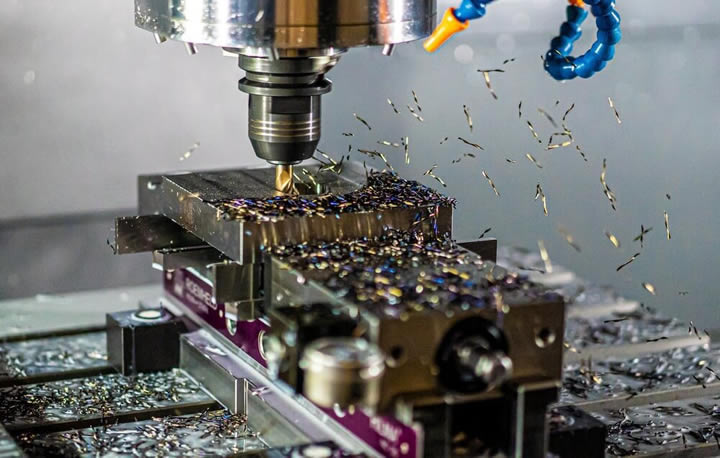
Precision parts processing has high requirements for the processed products, so what standards should be followed for precision parts processing?
1、 Standard first: Process the standard surface first. In the mechanical processing process, the appearance of parts as positioning specifications must be processed first in order to provide accurate specifications for subsequent processing as soon as possible.
2、 Processing stage: The appearance of precision parts with high processing requirements is divided into three stages: rough machining, semi machining, and precision machining. Mainly used to ensure processing performance, which is conducive to scientific application of equipment and facilitates the discovery of gaps when placing heat treatment processes.
3、 Face first, then hole: Components such as the box, bracket, and connecting rod should be machined flat before machining the hole. This allows for flat positioning of machining holes, ensuring the accuracy of the plane and hole positions, and facilitating flat machining. CNC precision machining factory.
4、 Finishing processing: Grinding, precision grinding, rolling and other main appearance finishing processing should be placed at the end of the process route. The formulation of precision parts processing process routes can be roughly divided into two joints. Firstly, establish the process route for part processing, and then determine the process dimensions, application equipment and process equipment, cutting specifications, and labor quota.
CNC precision machining is a device that uses computer control to process precision parts. What is the function of CNC precision machining parts?
1. Multi axis control linkage: Generally speaking, three-axis linkage is more commonly used, but with a small amount of adjustment, CNC precision machining centers with four, five, seven, or even more linkage axes will be available.
2. Parallel connection of machine tools: Common intermediate processing results are also relatively fixed. The middle of processing can be combined with the middle of cutting or vertical and horizontal processing to improve the processing range and talent in the middle of processing.
3. Tool damage alarm: promptly detect tool wear, damage, and alarm, replace tools in a timely manner, and ensure the processing performance of parts.
4. Tool life management: Simultaneously managing tools and multiple tools of the same tool to improve production compliance.
5. Machine tool overload and power outage protection: According to the degree of load setting during the production process, when the load reaches the set value, the machine tool can automatically power off to protect the machine tool.
These five points may be the main culprits that cause you to frequently collide with knives during turning and milling composite processing
How to Conduct Fixture Inspection and Detection in Precision Parts Processing
Related Article

Let us go over the foundations of the electroplating procedure. Electroplating involves several phases, and from pre-treatment to post-treatment there are several really significant ones.
The basic principle of surface treatment of precision parts in CNC machining

Audio panels, electronic cigarette shells, nameplateLOG, watch shells, etc. are among the CNC processing of high surface texture needs components.
CNC machining aluminum alloy parts high-quality surface texture process explained in detail

Metallic finishing, sometimes known as metallic finishing, is the process of using several techniques to change the surface of an object in order to improve appearance and performance, such as corrosion resistance, discoloration resistance, chemical resistance, abrasion resistance, and hardness, modify electrical conductivity, remove burrs, or apply a specific color to a machined part.
Metal CNC finishing surface treatment process and its working principle
