
Typical molding defects in injection molding and countermeasures
Mass manufacturing of resin pieces with the same form calls for a processing technique fit for injection molding. Problems (defects) could arise during the molding process depending on the mold's quality, form of the item, and molding circumstances.
Typical flaws and remedies for resin injection molding are introduced in this part.
Defects that are prone to occur when resin is injected
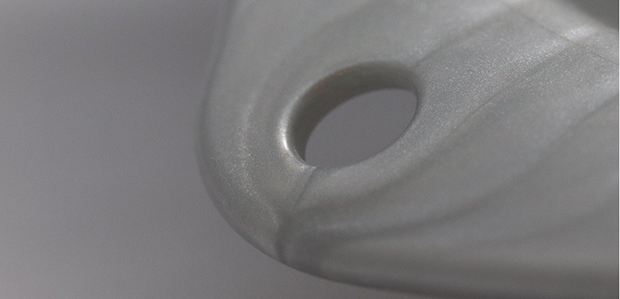
Molding defects are caused by a variety of factors, and the following four types of defects are prone to occur when resin is injected into a mold.
・Burr
Resin penetrates gaps like the clamping surface, E-thimble, or insert of the mold (cavity & core) forming burrs. Bad mold closure, excessive resin pressure, and rapid resin flow are the causes. During injection molding, one may inspect the correctness of the mold closure surface or reassess the resin pressure and temperature as a countermeasure.
・Underfilling (short shot).
In cases of inadequate resin filling, a molded object with porosity in the form it should have is called a short shot. Usually it shows in thin or thin sections, projecting points, and areas where resin encircles the form. The low pressure of the resin, the high viscosity during injection molding, the poor venting capabilities, and the low mold temperature account for this. The illogical form of the component design might potentially be the source of it. We may add exhaust vents to the mold and shape the corners into an R-form as a countermeasure to improve the resin flow.
・Flow marks
For instance, the literal definition of flow—that which marks (traces), a phenomena of resin flow mostly occurring close to the gate. Though it could be a visual flaw, sometimes it might not impede functioning. Low resin or mold temperature, small gate, etc. might be the primary causes if the resin flow is not smooth or otherwise. The primary actions are heating the mold or shaping the gate so that resin flows naturally.
・Fusion line
A fusion line is a porous line formed when the resin material rejoining after break. Should the resin's temperature be adequate, lines just on the exterior will show themselves and the function will not be compromised. On the other hand, inadequate fusion and strength will result from a drop in front end of the resin stream temperature before merging. It could be brought on by poor gate position, low resin pressure or temperature, etc.
Defects that are prone to occur during the process from packing pressure to cooling
Even if there is no problem at the resin injection stage, defects may occur during the packing to cooling process. Here are four typical defect types.
・Shrink marks (external shrinkage porosity)
Particularly the back of a projecting form, which results from the shrinking of the resin after cooling, sink marks are a phenomena wherein the surface of a component is dented relative to its original shape. This issue will arise from low holding pressure, high mold temperature, other factors as well. Among the measures are raising the holding pressure, giving the root of the projecting form R-angle shape, and softening the step transition.
・Shrinkage loose (small cavity)
Shrinkage porosity is the resin's production of tiny, nest-like cavities. It is also brought on by resin shrinkage upon cooling, much like sink marks. Low holding pressure and high resin temperature can be the sources of this issue. Furthermore, the wall thickness is prone to this issue, therefore the design procedure must give great attention to this element.
・Bending
Bending is the phenomena whereby pieces pulled out of the mold bend. Mostly, this is caused by shrinkage as the resin cools and sets. The location determines the degree of shrinkage; so, improper mold cooling, inadequate holding pressure, etc. may all affect this amount. Furthermore, components' design suffers from bending flaws and other issues.
・Cracks
From the surface of the section removed from the mold, small cracks or defects are evident. The reasons are essentially of two main types. First, as resin is injected or cooled, the temperature lowers or the curing speed varies; second, distortion occurs during component removal from the mold. By extending the cooling interval and adjusting the mold temperature, one may fix the defects resulting from uneven hardening speed. For example, using larger airflow angles helps to straighten deformities caused up during mold removal.
Common defects related to the state of the resin
Problems related to the state of the resin are also common in molding conditions.
・Silver streak
Showing up in the same direction as the resin flows are white silver streaks. Mixed with the melting glue, air and moisture might be the cause for this. Apart from adjusting the shape of the material itself, one might also confirm if the temperature of the mold is too low as a countermeasure.
・Scorched
One piece of the resin component extracted from the mould becomes burnt either brown or gray. This is a common case where too high resin temperature causes deterioration. Apart from reducing the temperature of the resin and the mold, it is also good to conduct strenuous activities.
Defects in resin injection molding could come from many variables taken together. Moreover affecting other elements may be any change in the molding conditions. As such, the recommended measures below are not usually the only ones meant to address molding issues. On the other side, if you understand the general trend and basic situation, you will be more alert of molding defects.
Surface treatment of plastic parts after CNC machining
Aluminium processing: Concluding guidelines
Related Article


