
What factors should be considered when selecting the type of tool in CNC machining
author: Hansheng Automation
2022-01-21
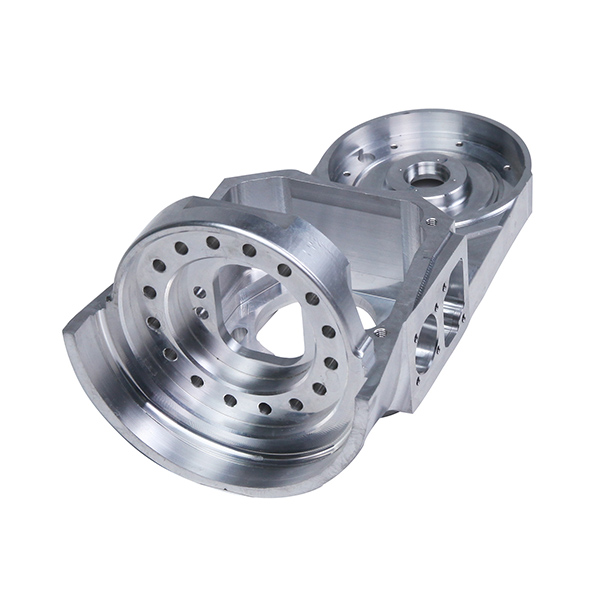
The selection of cutting tools is one of the important contents in CNC machining technology, which not only affects the machining efficiency of the machine tool, but also directly affects the machining quality of the parts. The overall requirements for CNC cutting tools are easy installation and adjustment, good rigidity, high accuracy, and good durability. Based on this, a comprehensive consideration is given to the cutting performance of the workpiece material, the processing capacity of the machine tool, the type of CNC machining process, cutting amount, and many factors related to the working range of the machine tool and CNC device.
When selecting the type and specification of cutting tools, the main factors to consider are:
1) Production nature
The production nature here refers to the batch size of parts, mainly considering the impact on tool selection from the perspective of processing cost. For example, using special tools during mass production may be cost-effective, while selecting standard tools is more suitable for single piece or small batch production.
2) Machine tool type
The influence of the CNC machine tool used to complete this process on the selected tool type (drilling, turning, or milling). Under the condition of ensuring good rigidity of the workpiece system and tool system, it is allowed to use high productivity tools, such as high-speed cutting turning tools and high feed turning tools.
3) CNC machining plan
Different CNC machining schemes can use different types of cutting tools. For example, the processing of holes can be carried out using drills and reamers, as well as drills and boring cutters.
4) The size and appearance of the workpiece
The size and shape of the workpiece also affect the selection of tool types and specifications, such as the use of special tools for machining special surfaces.
5) Machined surface roughness
The roughness of the machining surface affects the structural shape and cutting amount of the cutting tool. For example, during rough milling of blanks, coarse tooth milling cutters can be used, and fine tooth milling cutters are best used for precision milling.
6) Processing accuracy
The machining accuracy affects the type and structural shape of precision machining tools, such as the final machining of holes, which can be processed using drills, reamers, or boring cutters based on the accuracy of the holes.
7) Workpiece material
The material of the workpiece will determine the selection of the tool material and the geometric parameters of the cutting part, and the tool material is related to the machining accuracy, material hardness, etc. of the workpiece.
What are the error methods for CNC machining
Introduction to Material Requirements and Processing Methods for Dongguan Mechanical Parts Processing
Related Article

Let us go over the foundations of the electroplating procedure. Electroplating involves several phases, and from pre-treatment to post-treatment there are several really significant ones.
The basic principle of surface treatment of precision parts in CNC machining

Audio panels, electronic cigarette shells, nameplateLOG, watch shells, etc. are among the CNC processing of high surface texture needs components.
CNC machining aluminum alloy parts high-quality surface texture process explained in detail

Metallic finishing, sometimes known as metallic finishing, is the process of using several techniques to change the surface of an object in order to improve appearance and performance, such as corrosion resistance, discoloration resistance, chemical resistance, abrasion resistance, and hardness, modify electrical conductivity, remove burrs, or apply a specific color to a machined part.
Metal CNC finishing surface treatment process and its working principle
