
What are the main effects of anodizing on aluminum alloy CNC machining parts
author: Hansheng Automation
2022-02-01
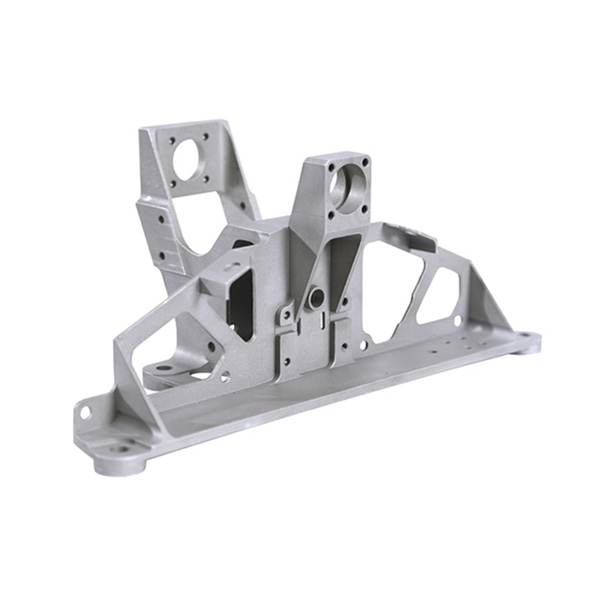
Aluminum alloy is a very common metal in industry and daily life. In the CNC machining process of aluminum alloy, surface treatment is very important, and different methods will bring different effects. Sometimes only one method can meet the requirements, and sometimes there are multiple methods that can meet the requirements of the product. Among them, anodizing is the most widely used method. In terms of metal processing, processing aluminum parts is one of the advantages of our CNC processing services, with reasonable prices, beautiful surfaces, quality and performance.
1. Enhance the corrosion resistance of aluminum products. Processing of aluminum alloy parts
Anodizing can obtain a layer of oxide film on the surface of aluminum products. The chemical properties of the oxide film are very stable and have strong corrosion resistance. For example, in chromic acid solution, the surface of anodic aluminum oxide film is dense and corrosion-resistant, making it particularly suitable for riveting parts; However, in sulfuric acid solution, the thickness of the formed oxide film is higher and the adsorption capacity is stronger. However, due to the larger porosity than the former, appropriate fillers are needed.
2. Improve the adsorption ability of aluminum products to pigments.
Aluminum products are chemically or electrochemically polished and then anodized to form a highly transparent oxide film on the surface. In addition, the oxide film is porous and has good adsorption capacity, which can effectively adsorb various organic or inorganic dyes, as well as paints and organic films. This type of aluminum product can come in various bright colors, which not only enhances the aesthetic appearance but also has good anti-corrosion effects.
3. Improve the wear resistance of aluminum alloy parts.
The anodic oxide film is not only corrosion-resistant, but also very dense. The presence of this oxide film greatly enhances the wear resistance of aluminum products and can effectively adapt to the working conditions of aluminum friction, such as the use of automotive engine cylinders, pistons, and other parts.
4. Implement electrical insulation of aluminum alloy parts.
The chemical structure of the anodic oxide film is a metal oxide, not a metal, and has strong electrical insulation. Some aluminum materials require electrical insulation, such as capacitor dielectric layers. This can be achieved through anodic oxidation.
5. As a substrate for aluminum plating.
Aluminum alloy products must be coated on the substrate before electroplating. There are many methods for coating the surface of aluminum products, including electrogalvanizing, zinc immersion, chemical nickel plating, and of course, anodizing. Due to the porosity of the anodic oxide film, it can promote the effectiveness of the electroplating process.
How to save energy and reduce energy consumption during precision parts processing
What are the error methods for CNC machining
Related Article

Let us go over the foundations of the electroplating procedure. Electroplating involves several phases, and from pre-treatment to post-treatment there are several really significant ones.
The basic principle of surface treatment of precision parts in CNC machining

Audio panels, electronic cigarette shells, nameplateLOG, watch shells, etc. are among the CNC processing of high surface texture needs components.
CNC machining aluminum alloy parts high-quality surface texture process explained in detail

Metallic finishing, sometimes known as metallic finishing, is the process of using several techniques to change the surface of an object in order to improve appearance and performance, such as corrosion resistance, discoloration resistance, chemical resistance, abrasion resistance, and hardness, modify electrical conductivity, remove burrs, or apply a specific color to a machined part.
Metal CNC finishing surface treatment process and its working principle
