
The Difference between CNC Processing and Die Casting in CNC Processing Plants
author: Hansheng Automation
2023-02-02
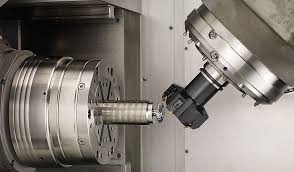
The regulations for aluminum shells vary among different models of products, and the actual situation mainly manifests in aspects such as appearance and specifications. Those who have touched the processing of aluminum shells know that there are two processing processes in the manufacturing industry, namely CNC processing, die-casting processing, aluminum shell processing, and other processes. Below we have organized the relevant content for everyone, let's take a look together.
The difference between CNC machining and die-casting machining of aluminum casing:
Different processing methods:
Aluminum shell CNC machining refers to the precise CNC machining of aluminum shells using computers. Under the control of computers, aluminum shells can be precision machined. Under this machining process, aluminum shells can achieve some very special or complex surface treatments, such as oblique cutting, non penetrating pattern or texture carving, punching at aluminum shell bends, and non flat surface treatment, all of which can be completed in CNC machining. Manufacturers with personalized and high requirements for customized processing of aluminum shells are generally inevitably applied to this category.
Die casting processing is the use of a mold cavity to apply high pressure to molten metal to form a surface effect similar to a mold. During the die casting process, some simple drilling and molding work can be carried out, which requires lower costs compared to CNC processing, but cannot undergo very complex surface treatment.
The biggest difference between CNC machining of aluminum shells and die-casting machining is the machining method. From the above content, it can also be seen that in order to produce and process qualified aluminum shells, corresponding processing techniques need to be selected according to their production needs. In addition, we must also consider production costs, and choose which one is more convenient and advantageous when both processing techniques are feasible, rather than saying which one looks better. After all, which one is more advantageous and which one is more suitable for us is very important.
What is the impact of precision component processing technology on industry
Cleaning and repair of large CNC milling machine parts
Related Article

Let us go over the foundations of the electroplating procedure. Electroplating involves several phases, and from pre-treatment to post-treatment there are several really significant ones.
The basic principle of surface treatment of precision parts in CNC machining

Audio panels, electronic cigarette shells, nameplateLOG, watch shells, etc. are among the CNC processing of high surface texture needs components.
CNC machining aluminum alloy parts high-quality surface texture process explained in detail

Metallic finishing, sometimes known as metallic finishing, is the process of using several techniques to change the surface of an object in order to improve appearance and performance, such as corrosion resistance, discoloration resistance, chemical resistance, abrasion resistance, and hardness, modify electrical conductivity, remove burrs, or apply a specific color to a machined part.
Metal CNC finishing surface treatment process and its working principle
