
What is Gravity Casting
2025-08-05
What is Gravity Casting?
Gravity casting, also known as gravity pour casting, is a metal casting process that relies on the force of gravity to fill a mold with molten metal. Unlike high-pressure methods such as die casting, this technique uses no external pressure—instead, molten metal flows naturally into the mold cavity due to gravitational pull. Renowned for its versatility, cost-effectiveness, and ability to produce high-integrity parts, gravity casting has become a staple in industries ranging from automotive to aerospace. In this blog, we will dissect the fundamentals of gravity casting, its step-by-step process, how it compares to other casting methods, and its wide-ranging applications.
The Basics: Defining Gravity Casting
At its core, gravity casting is a manufacturing process where molten metal is poured into a permanent mold (typically made of steel or cast iron) and allowed to fill the cavity solely by the force of gravity. Once the metal cools and solidifies, the mold is opened, and the casting is removed. The permanent nature of the mold distinguishes it from single-use methods like sand casting, making it ideal for medium to high-volume production runs.
Key characteristics of gravity casting include:
- Dependence on gravity for mold filling, eliminating the need for complex pressure systems.
- Use of reusable metal molds, which ensure consistent part geometry across production cycles.
- Suitability for both simple and moderately complex part designs, particularly those with thick walls.
- Compatibility with a range of non-ferrous metals, including aluminum, zinc, copper, and magnesium alloys.
A Brief History of Gravity Casting
The roots of gravity casting can be traced back to ancient civilizations, where metalworkers poured molten bronze or copper into stone or clay molds using gravity. However, the modern iteration of the process emerged in the late 19th century with the development of durable metal molds, allowing for repeated use and higher precision.
By the mid-20th century, advancements in metallurgy and mold design expanded gravity casting’s applications. The automotive industry, in particular, adopted the technique for producing engine components, as it offered a balance between cost and quality. Today, gravity casting continues to evolve with computer-aided design (CAD) for mold engineering and automated pouring systems, enhancing accuracy and production efficiency.
The Gravity Casting Process: Step-by-Step
Gravity casting involves several critical stages, each designed to ensure the molten metal fills the mold uniformly and solidifies into a high-quality part. Here’s a detailed breakdown:
1. Mold Preparation
The process begins with preparing a permanent mold, typically crafted from heat-resistant metals like cast iron or tool steel. The mold is designed to mirror the exact shape of the desired part, including any necessary channels (called "gates" and "risers") to guide molten metal flow and compensate for shrinkage.
Molds may be single-piece (for simple parts) or split into two halves (for complex geometries with undercuts). Before use, the mold is preheated to a specific temperature (usually 200–300°C for aluminum alloys) to prevent thermal shock when molten metal is poured, which could cause mold cracking or uneven cooling of the casting.
2. Metal Melting and Preparation
The chosen metal alloy (e.g., aluminum A356, zinc ZAMAK 3) is melted in a furnace at temperatures ranging from 600°C (for zinc) to 750°C (for aluminum). During melting, impurities are removed through processes like fluxing or degassing to ensure the metal’s purity—impurities can weaken the final casting or cause surface defects.
3. Pouring the Molten Metal
Once the metal reaches the optimal temperature and purity, it is carefully poured into the mold’s sprue (a vertical channel that leads to the cavity). The metal flows through the sprue, gates, and into the mold cavity entirely by gravity. Pouring speed and angle are critical: too fast, and the metal may splash or trap air bubbles; too slow, and it may cool prematurely, leaving unfilled sections.
4. Cooling and Solidification
After the mold is filled, the molten metal cools and solidifies. The cooling rate is controlled by the mold’s material and preheating temperature—metal molds conduct heat efficiently, leading to faster cooling than sand molds. This rapid cooling can result in finer grain structures, enhancing the casting’s strength compared to slower-cooling processes.
5. Mold Opening and Casting Removal
Once solidified, the mold is opened (manually or via hydraulic systems for large molds), and the casting is extracted. Any excess metal (such as sprues or flash) is trimmed away, and the casting may undergo additional processes like heat treatment, machining, or surface finishing (e.g., painting or anodizing) to meet final specifications.
Gravity Casting vs. Other Casting Processes
Gravity casting occupies a unique position in the casting landscape, with distinct advantages and limitations compared to other methods. Let’s compare it to three common alternatives:
Gravity Casting vs. Die Casting
Die casting uses high pressure (up to 1,500 bar) to force molten metal into a steel mold, making it ideal for high-volume production of small, thin-walled parts.
- Pressure: Gravity casting relies on gravity alone; die casting uses extreme pressure. This makes die casting faster but limits it to thin-walled parts (thicker sections may trap air). Gravity casting excels at thick-walled components.
- Cost: Die casting requires expensive, complex molds and machinery, making it cost-effective only for very high volumes. Gravity casting has lower upfront costs, suited for medium volumes.
- Porosity: Die castings often have more porosity (air bubbles) due to high pressure, reducing their suitability for heat-treated or welded parts. Gravity castings have lower porosity, offering better structural integrity.
Gravity Casting vs. Sand Casting
Sand casting uses disposable sand molds, allowing for large, complex parts but with lower precision.
- Mold Reusability: Gravity casting uses permanent metal molds (reusable hundreds to thousands of times); sand molds are single-use. This makes gravity casting more efficient for repeat production.
- Precision: Gravity castings have tighter tolerances (typically ±1mm for free tolerance, ±0.03mm for specified) and smoother surface finishes than sand castings, reducing the need for post-processing.
- Material Range: Sand casting works with ferrous metals (e.g., steel, cast iron) and non-ferrous metals, while gravity casting is primarily limited to non-ferrous alloys.
Gravity Casting vs. Low-Pressure Casting
Low-pressure casting uses moderate pressure (0.5–10 bar) to push molten metal upward into a mold, often used for automotive wheels and cylinder heads.
- Filling Control: Low-pressure casting offers precise control over metal flow, reducing turbulence and defects. Gravity casting is simpler but may have less control in complex molds.
- Energy Use: Low-pressure systems require additional equipment for pressure regulation, increasing energy consumption. Gravity casting is more energy-efficient.
- Cost: Low-pressure casting molds and machinery are more expensive than gravity casting setups, making gravity casting a more economical choice for many applications.
Applications of Gravity Casting Across Industries
Gravity casting’s balance of quality, cost, and versatility makes it indispensable in numerous sectors:
Automotive Industry
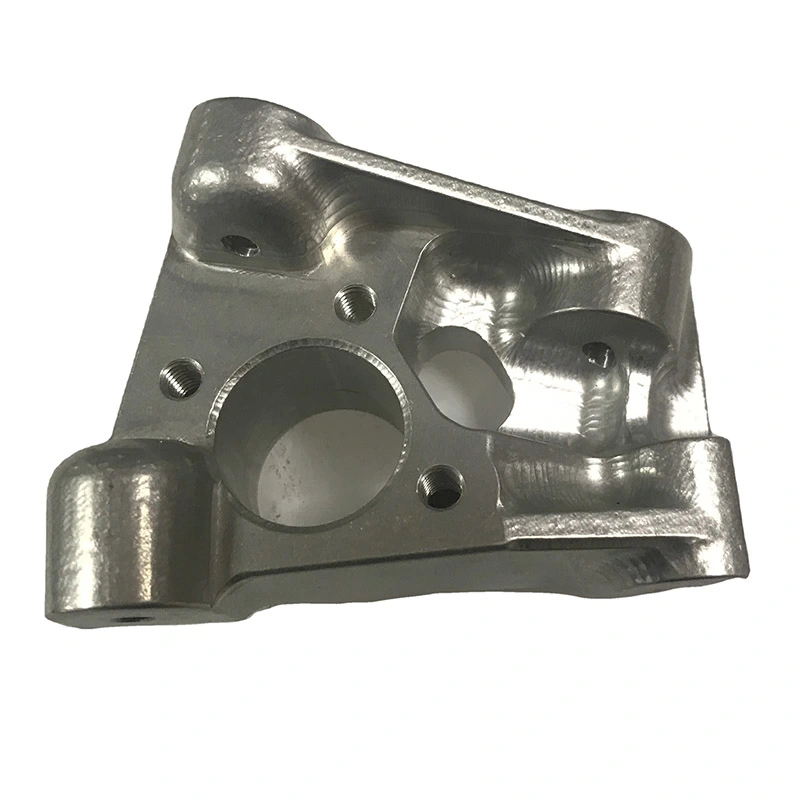
Gravity casting produces components like engine blocks, cylinder heads, transmission housings, and suspension parts. Its ability to create thick-walled, high-strength parts with good heat resistance makes it ideal for these critical applications.
Aerospace and Defense
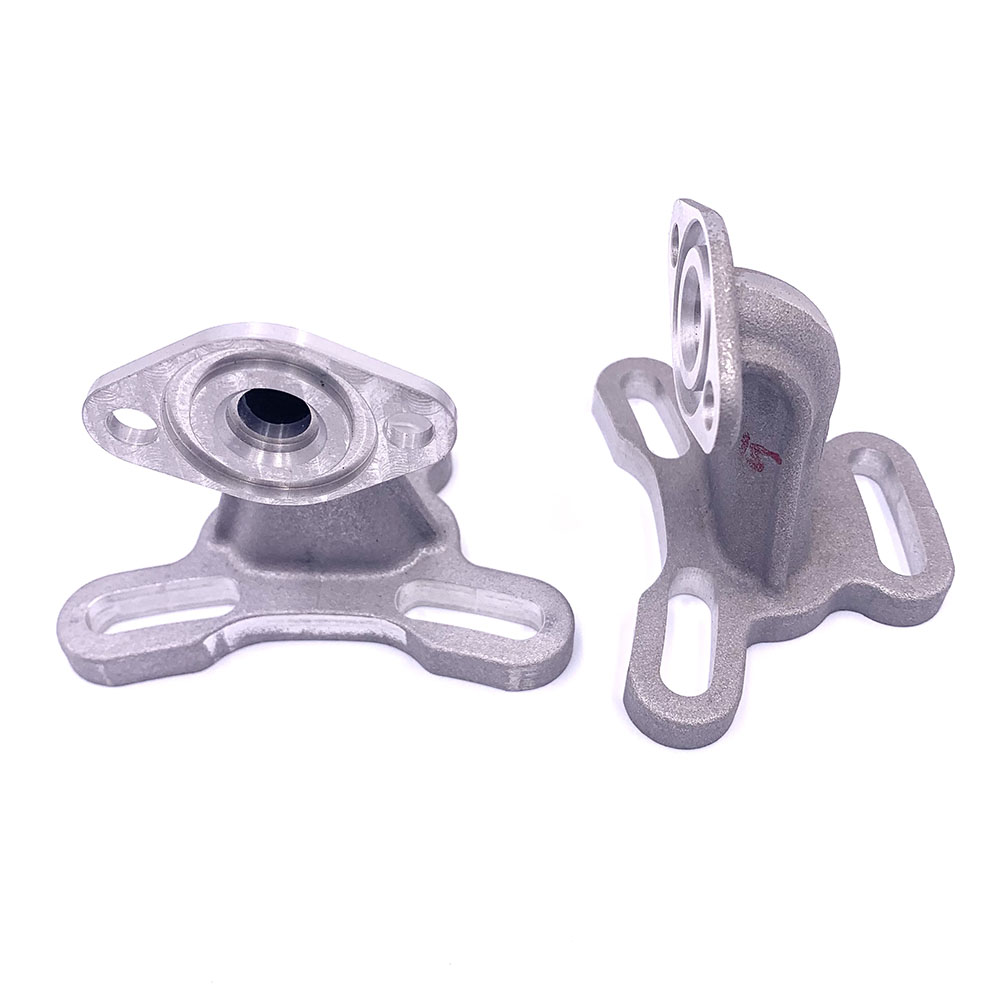
While aerospace demands extreme precision, gravity casting is used for non-critical components such as brackets, hydraulic fittings, and fuel system parts. Its low porosity ensures reliability under high stress.
Marine Industry
Saltwater resistance is key in marine applications, and gravity-cast aluminum and copper alloys excel here. Propellers, pump housings, and valve bodies often rely on this process.
Consumer Goods
From furniture hardware to decorative metal parts, gravity casting offers consistent quality and aesthetic appeal. Its ability to produce intricate designs with smooth surfaces makes it popular for high-end fixtures.
FAQ
- What are the main advantages of gravity casting?
Gravity casting offers low porosity, good mechanical properties, cost-effectiveness for medium volumes, and the ability to produce thick-walled parts. It also uses reusable molds, reducing material waste.
- What metals are commonly used in gravity casting?
Aluminum, zinc, copper, and magnesium alloys are most common. Ferrous metals (e.g., steel) are rarely used due to their high melting points, which can damage metal molds.
- What tolerances can gravity casting achieve?
Typical free tolerance is ±1mm, suitable for many industrial parts. For applications requiring higher precision, specified tolerances of ±0.03mm can be achieved with advanced mold design and process control.
- How does gravity casting compare to 3D printing for metal parts?
Gravity casting is faster and cheaper for medium to high volumes, while 3D printing is better for low-volume, highly complex prototypes. Gravity castings also have superior mechanical properties for structural parts.
- How long does a gravity casting mold last?
Metal molds can last 10,000–100,000 cycles, depending on the metal being cast and mold material. Aluminum alloys are gentler on molds than zinc, which can cause wear over time.
- Is gravity casting suitable for large parts?
Yes, gravity casting can produce large parts (e.g., engine blocks up to 1 meter in size) as long as the mold is properly designed to ensure uniform metal flow and cooling.
What is Casting
What is 5 Axis CNC Machining
Related Article

Gears are the backbone of mechanical transmission systems, converting rotational motion and torque between shafts to power everything from household appliances to industrial machinery.
What are the 4 types of gears

CNC machines (Computer Numerical Control machines) have transformed manufacturing by delivering unmatched precision, repeatability, and efficiency across material types—from metals to plastics and composites.
Which Industries Mostly Use CNC Machines

CNC machining is celebrated for its precision and versatility in shaping metals, plastics, and composites—but its subtractive nature (removing material from a solid workpiece to create parts) raises a critical question: “Is CNC machining wasteful?” At first glance, the piles of metal shavings, plastic chips, and scrapped parts from CNC operations might suggest yes.
Is CNC machining wasteful
