
Gate types and characteristics used in resin injection molds
Resin products have protruding or dented features on the plane, as well as scratches that look like they have been cut. These are known as gate marks and are unavoidable in resin injection molding. Today, let's take a look at what a gate is, as well as the representative gate types and characteristics.
What is a Gate?
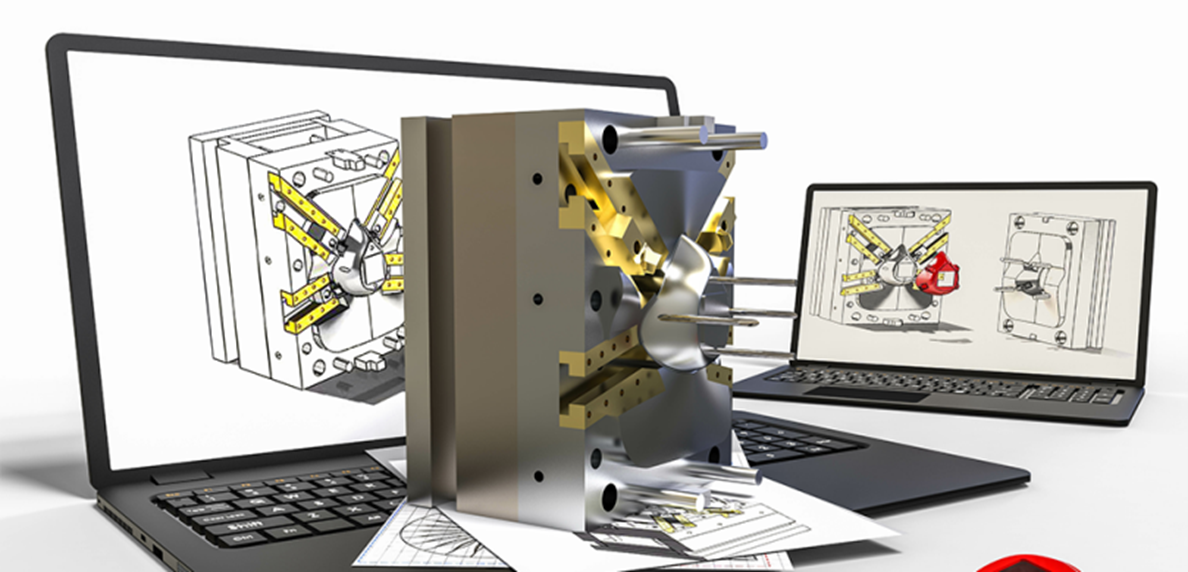
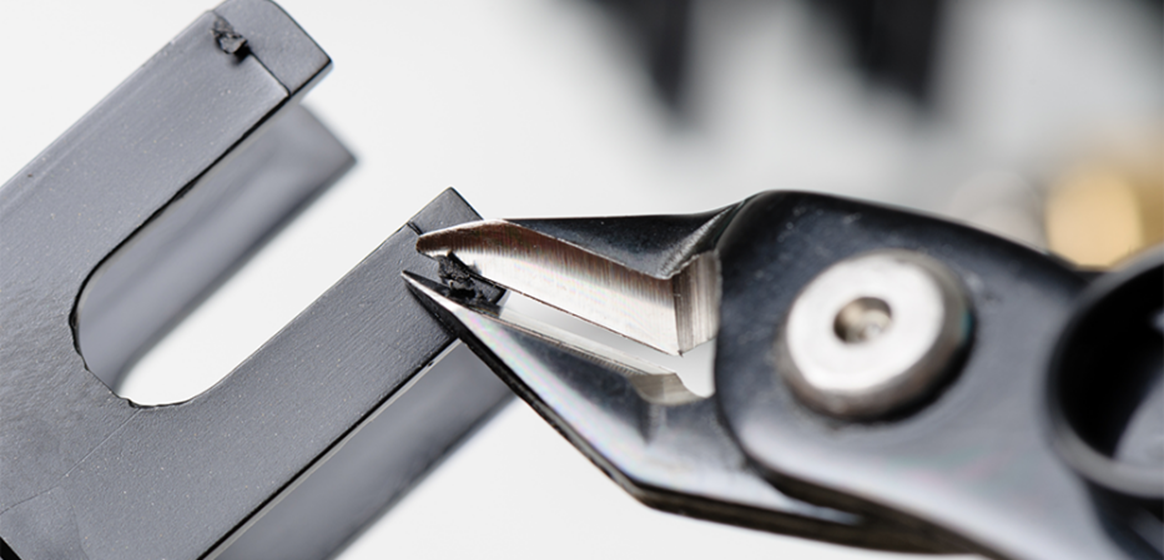
Injection molding is a representative resin processing method in which the melted resin is pressurized, causing it to flow into the mold, and then cooling and solidifying. The gate is the inlet that injects the resin from the injection molding machine into the mold, and the gate marks will be present on any mold. In addition, the resin channel leading to the gate is called a runner. The gate not only serves as an inlet for resin to flow in, but also has functions such as regulating pressure and flow rate, preventing backflow, and controlling temperature. In addition, there is not necessarily only one gate, and multiple gates can be set depending on the shape and size of the product. The size and appearance of the product will vary depending on the type and location of the gate, so it is important to choose a gate that matches the shape and material of the product. After cooling, the runners and gates will remain connected to the product and solidify. Usually, because it is useless to the product, it will be cut off after solidification. Cutting is sometimes done with tools such as pliers, and depending on the type of gate, there are also automatic cuts when the mold is opened or the product is removed. Since gate design involves product quality, production efficiency, and labor costs, it is important to understand its characteristics and set them up correctly. Next, let's take a look at the characteristics of the main gates.
Direct gate without runner and side gate injected from the side
・Direct gateDirect gate has no runner and connects the product directly. Since there is no runner, the amount of resin used can be reduced, and the material cost can be reduced. Since the direct gate can provide more pressure as the resin flows, it is suitable for larger products or products with a thicker average thickness. The mold structure is simple and easy to do. The gate needs to be cut off after molding.
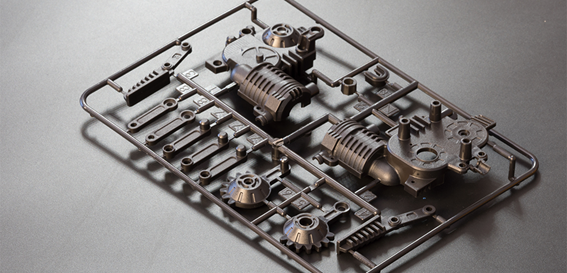
・The side gate is called a side gate because it is placed on the side of the product. It can be used with multiple cavities, and is a frequently used gate type. Among the examples around, the plastic model is the most impressive. When plastic models are sold, runners and gates are usually retained. Gate cuts are not done automatically by side gates, so tools such as pliers are required for cutting. Cutting marks are left after cutting, so we will discuss with the designer to set the gate in an inconspicuous position.
・Jump gateJump gate is similar to side gate. The side gate is located on the side of the product, while the jump gate is located at the top or bottom. Gate cut-off is required.
・Thin film gateA thin film gate is a thin film gate with a runner along the surface of the product. Because the inlet width of the gate is wide, the resin can flow in evenly, which can effectively prevent bending and deformation. Therefore, it is more suitable for thin plate type products. Because the gate is film-like, it is more cumbersome to cut.
Gate types and characteristics that do not require post-processing
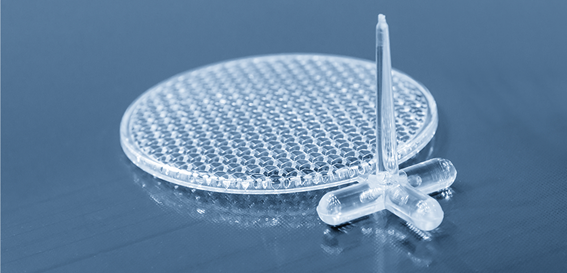
・Submerged gateThe shape of the submerged gate is similar to that of a tunnel. Since the gate is automatically cut off when the mold is opened, there is no need for post-processing after molding. It is not suitable for resin materials with poor fluidity, nor for resins containing glass fibers. In addition, due to the complex shape of such molds, the manufacturing cost is higher. Since there is no need for subsequent gate cut-off treatment, it is more suitable for high-volume products.
・Banana-shaped gatesBanana-shaped gates are similar to subtent gates. From the runner to the product connection, it is curved like a banana. If it is not possible to set a gate on the outside, you can set a gate on the inner surface to avoid the exterior part of the product. Although post-processing of the cut gate is not required, it is more difficult to process and the mold cost is higher.
・Needle gateThe gate part of a needle gate is thin. There is a high degree of freedom in the setting of runners, and multiple gates can also be set. Needle gates are suitable for products with high quality requirements and complex shapes. Multiple cavities can be set up, and the gate does not require subsequent shearing, so it is suitable for large quantities. But on the other hand, due to the complex structure of the mold, the cost is relatively high
The basis of resin processing! About injection molding
What is Deburring? Purpose and methods of implementation, tools
Related Article


