
What is a fixture? What are the types?
When it comes to fixtures, people in the non-manufacturing industry may feel unfamiliar. Although they are all called "jigs", they are used for different purposes and come in a variety of sizes and shapes. Here is an introduction to the role and use of the fixture.
A jig is a device that holds a part or guides a job
A jig is a device that assists in fixing the item (workpiece) to be processed and guiding the processing during processing. Also known as an aid. For example, it is difficult to secure a workpiece with a curved back on a flat table and fix it with screws. If you don't concentrate on the work, maybe the screws will tilt. In this case, if a bracket that fits the curved surface of the workpiece is used, the workpiece becomes stable and easier to work with. This is the basis of the fixture concept.
Jigs have various functions, not only to stabilize the work, but also to stabilize the quality and make the job completed faster.
There are two types of fixtures. The first is the jigs that are used in various shapes in the processing production line, and the second is the jigs that fix the workpiece to the machine tool during machining. Since jigs are one-by-one parts that match the workpiece and the content of the workpiece, they are not mass-produced. Almost all of them are made one by one by a technician from the production technology department or a professional manufacturer of jigs according to the application.
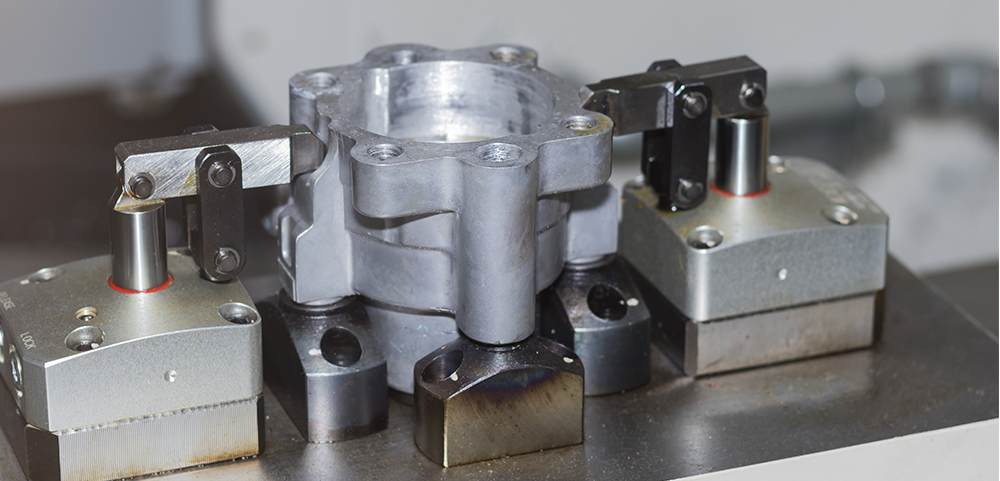
Fixtures used in manual work
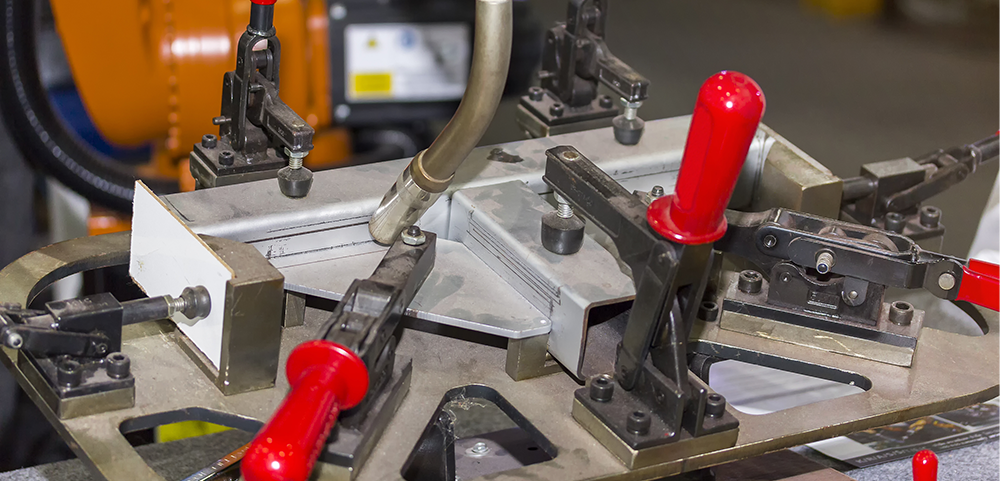
The fixtures used in the processing production line are mainly as follows.
- A jig that stabilizes the workpiece when the worker or equipment is performing machining and measuring
- A jig that positions parts on top of each other when performing work such as pasting
- A jig that guides the insertion like a funnel when inserting other parts or tools
- A jig that is masked to prevent other parts from being soiled when applying or applying sealant
This type of fixture has different materials and shapes depending on the place and purpose of use. In cases where light work is required, such as manual work, light and flexible resin jigs such as nylon resin are often used, or in combination with small jigs. On the other hand, fixtures with harsh temperature and load conditions, such as quenching fixtures, are usually made of strong and durable metal. In other cases, the fixture itself has been automated as a device or device, for example, as soon as the workpiece is placed, the clamp will automatically work to hold the workpiece in place.
Fixtures used in machining
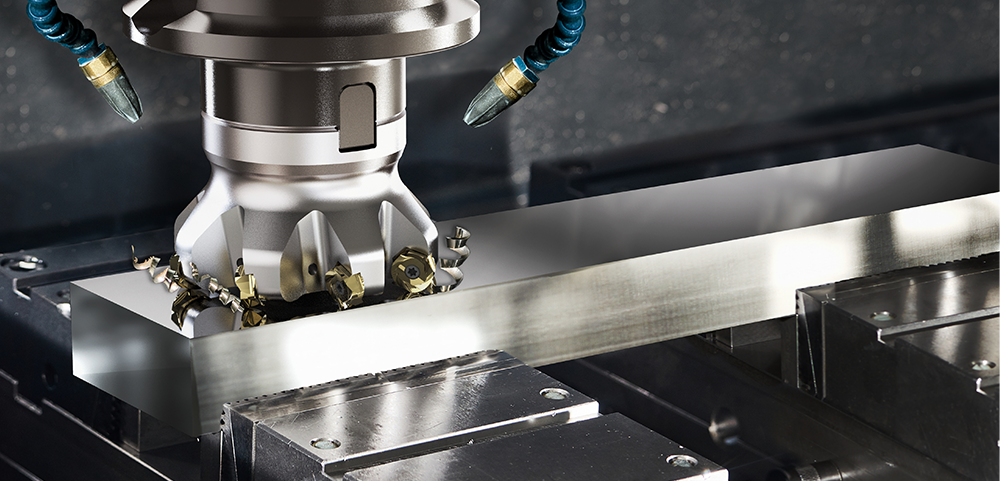
The jigs used in the processing line come in a variety of shapes and materials, but the jigs used on machine tools such as the NC are almost always made of durable metals such as stainless steel. Depending on the type of machining, the size of the jig will vary, and in the case of large jigs, it may be so large that it cannot be moved without the use of a crane. The workpiece is not fixed with a temporary clamp like a clamp, but with screws, etc. In the photo above, the part with the cut metal chips attached is the "jig". In particular, some jigs used in NCs and other jigs have many screw holes so that multiple workpieces can be handled with a single jig.
Fixtures are unfamiliar to people in the non-manufacturing industry. However, in fact, it plays a very important role in supporting the manufacturing industry, just like machine tools and tools. When designing machinery, etc., if we put a little more effort into the jigs required to process products, we can achieve various benefits such as reduced costs and improved quality.
3D printers with rapid prototyping
Understanding the "Fit Tolerances" for Precision Hole Notes
Related Article


