
A guide to the knurling process
What is lathe knurling?
Knurling is a manufacturing process that creates a textured surface on a workpiece in lathe machining. It involves creating a series of small bumps and depressions on the surface of the component, which increases the surface roughness and friction between the workpiece and other machined parts. In other words, this process improves the grip and anti-slip properties of the workpiece. Generally, knurling is used to make parts that require a good grip, including handles, nuts, and bearings.
How does knurling work?
Knurling is a process that uses rollers to apply pressure to the surface of a workpiece, resulting in local plastic deformation to create the desired knurling pattern. The following are the two ways of knurling process, hand knurling and machine knurling.
Hand knurled
It involves manually creating a regular textured pattern on a metal surface using hand knurling tools, such as knurling hammers and knurling wheels. This approach provides a high degree of flexibility for custom patterns, but is less efficient and requires a lot of manual effort.
Machine knurling
Its main steps are as follows:
- Securely fasten the object in the lathe.
- The knurling tool, consisting of a pair of saw gears, is mounted in the tool holder of the lathe.
- When the lathe spindle rotates the part, the knurling wheel is pressed against the surface.
- The rotational motion of the part, combined with the pressure exerted by the knurling wheel, creates a zigzag pattern on the surface of the material.
- Adjust the depth and pattern by controlling the pressure and speed of the wheels.
- Finally, the resulting knurled surface provides greater friction and grip, making machined parts easier to handle and turn.
This method is highly efficient and ideal for mass production, but it offers a more limited range of model options and requires specialized equipment and processes.
Knurling pattern
Different knurling patterns are matched to the respective application, providing varying degrees of grip strength. This section will detail the various knurling patterns.
Straight knurling

Straight knurling creates a series of parallel raised and depressed patterns. This simple yet effective handling method has excellent grip and slip resistance. The uniform linear pattern not only enhances the functional performance of components such as machine handles and fasteners, but also adds an attractive visual element to the design. In addition, it is an economical surface treatment method that is widely used in many industries to improve the tactile and aesthetic qualities of products.
Diamond knurling
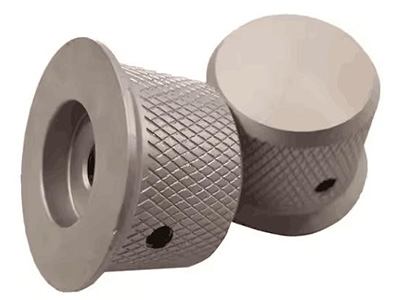
Diamond knurling creates criss-cross diagonal knurling, creating a visually appealing diamond-shaped appearance. This intricate pattern provides extremely high grip and slip resistance compared to straight knurling, making it ideal for components and tools that require maximum frictional traction. Diamond knurled surfaces are commonly found on machine tool handles, wrenches, and a wide range of metal hardware, from nuts to bolts. In addition to the functional benefits, the decorative diamond pattern enhances the beauty of the product.
Right-handed/left-handed knurling
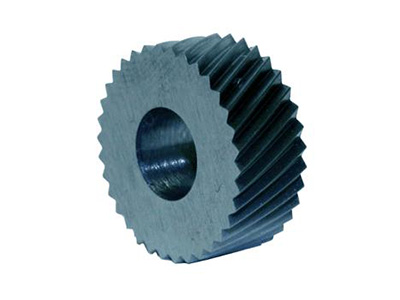
The right-handed knurling pattern consists of a clockwise spiral arrangement of protruding or recessed elements. In contrast, the left-handed knurling pattern is a counterclockwise spiral. The main difference between the two is their intended application. Right-hand knurling is usually used for parts that rotate clockwise, while left-hand knurling is more suitable for parts that rotate counterclockwise.
CNC machining of fuel cell metal bipolar plates
CNC machining in hydrogen equipment components
Related Article


