
What is the tool life in precision parts processing
author: Hansheng Automatic
2023-05-16
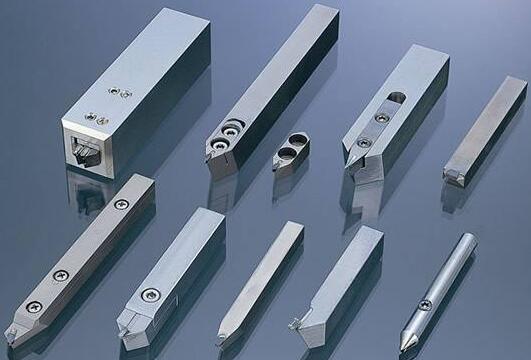
The total cutting time T passed by a tool after grinding or a new cutting edge of a new blade in the process of precision part machining from the beginning of cutting until the wear reaches the blunting standard is called the tool life, in minutes. Note: Tool life T does not include non cutting time such as tool alignment, measurement, fast forward, return, etc. Tool life refers to the probability that a tool can complete its rated work within the specified cutting conditions and time during the processing of precision parts. That is, the probability that the tool can complete the predetermined cutting time under established working conditions and cutting specifications, but the tool is not damaged.
When selecting a tool, the following points should also be considered:
(1) The lifespan of complex, high-precision, and multi blade tools should be higher than that of simple, high-precision, and single blade tools.
(2) The indexable tool is fast and convenient for changing the cutting edge. To maintain the sharpness of the cutting edge, the tool life can be selected to be lower.
(3) The cutting load of precision machining tools is small, and the tool life should be selected to be higher than that of rough machining tools.
(4) For precision machining of large workpieces, in order to avoid changing the tool midway, the tool life should be chosen to be higher.
(5) The service life of cutting tools in CNC machining should generally be greater than one working shift, and at least greater than the cutting time of one part.
What are the characteristics of cutting tools made of titanium based alloys and ceramic materials in precision parts processing
What is the principle of static before dynamic maintenance in precision parts processing
Related Article

Let us go over the foundations of the electroplating procedure. Electroplating involves several phases, and from pre-treatment to post-treatment there are several really significant ones.
The basic principle of surface treatment of precision parts in CNC machining

Audio panels, electronic cigarette shells, nameplateLOG, watch shells, etc. are among the CNC processing of high surface texture needs components.
CNC machining aluminum alloy parts high-quality surface texture process explained in detail

Metallic finishing, sometimes known as metallic finishing, is the process of using several techniques to change the surface of an object in order to improve appearance and performance, such as corrosion resistance, discoloration resistance, chemical resistance, abrasion resistance, and hardness, modify electrical conductivity, remove burrs, or apply a specific color to a machined part.
Metal CNC finishing surface treatment process and its working principle
