
What is the precision parts processing of Dongguan CNC Precision Processing Factory
author: Hansheng Automation
2023-05-10
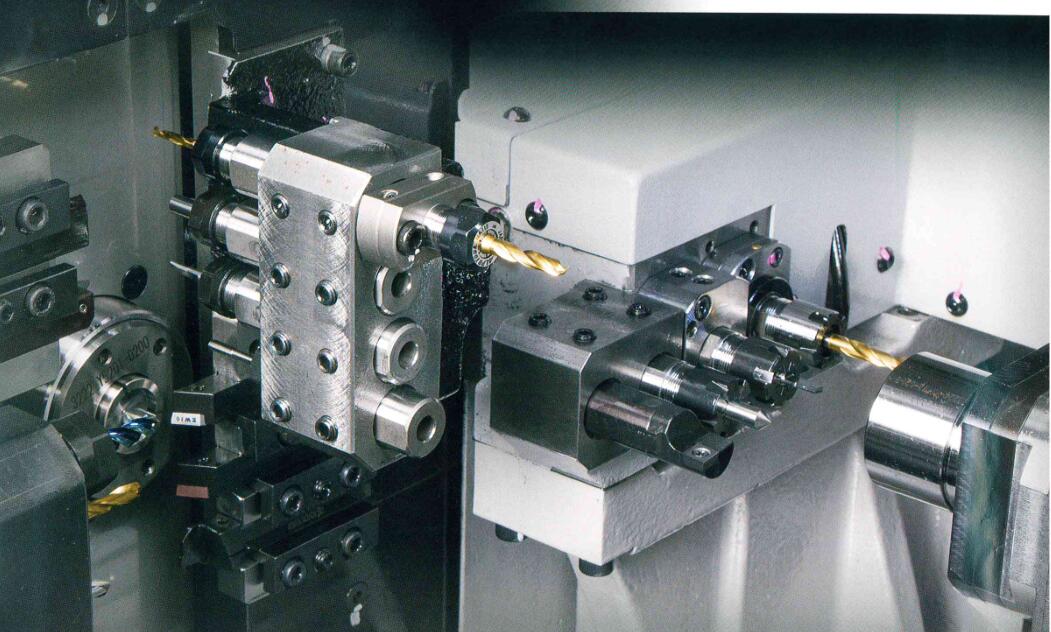
The precision parts processing of Dongguan CNC Precision Processing Factory is a very important processing method, which is widely used in various fields of manufacturing, such as aviation, aerospace, medical, automotive, etc. The process of precision machining requires the use of professional equipment and technology to ensure that the size and surface quality accuracy of the processed parts meet the requirements. This article will provide a detailed introduction from the aspects of processing methods, equipment requirements, technical requirements, etc.
1、 Processing method
Precision mechanical processing includes various processing methods such as CNC machining, electric discharge machining, and wire cutting machining. Among them, CNC machining is a precision machining method that can control the movement of the machine tool through computer programs to achieve the goal of precision machining. Electrical discharge machining (EDM) is a machining method that converts electrical energy into thermal energy and can produce very complex shapes. Wire cutting machining is a machining method that uses electric discharge to cut materials, suitable for processing thin sheet materials and precision parts.
2、 Equipment requirements
Precision mechanical processing requires the use of professional equipment, such as CNC lathes, CNC milling machines, electric discharge machining machines, etc. These devices have the characteristics of high precision, high stability, and high-speed machining, which can meet the requirements of precision machining. In addition, high-precision measuring equipment and tools are also needed to ensure that the size and surface quality accuracy of the processed parts meet the requirements.
3、 Technical requirements
Precision mechanical processing requires mastering certain technical requirements, such as mechanical drawing, CNC programming, processing technology, etc. In mechanical drawing, it is necessary to master the drawing and annotation standards of mechanical graphics. In terms of CNC programming, it is necessary to master the skills of writing and debugging CNC programs. In terms of processing technology, it is necessary to master the operation and adjustment skills of various machine tools during the processing process to ensure that the processed parts meet the requirements.
Overall, precision parts machining is a very important processing method, which can produce high-precision and high-quality parts and is widely used in various fields of manufacturing. Precision mechanical processing requires the use of professional equipment and technology, which requires certain technical level and experience of operators. In the future, with the continuous development of technology, the precision parts processing of Dongguan CNC Precision Processing Factory will be more efficient, precise, and intelligent.
The difference between CNC lathe and ordinary lathe in precision parts processing
How to distinguish between milling machines and lathes at Dongguan CNC Precision Processing Factory
Related Article

Let us go over the foundations of the electroplating procedure. Electroplating involves several phases, and from pre-treatment to post-treatment there are several really significant ones.
The basic principle of surface treatment of precision parts in CNC machining

Audio panels, electronic cigarette shells, nameplateLOG, watch shells, etc. are among the CNC processing of high surface texture needs components.
CNC machining aluminum alloy parts high-quality surface texture process explained in detail

Metallic finishing, sometimes known as metallic finishing, is the process of using several techniques to change the surface of an object in order to improve appearance and performance, such as corrosion resistance, discoloration resistance, chemical resistance, abrasion resistance, and hardness, modify electrical conductivity, remove burrs, or apply a specific color to a machined part.
Metal CNC finishing surface treatment process and its working principle
