What is CNC Milling?
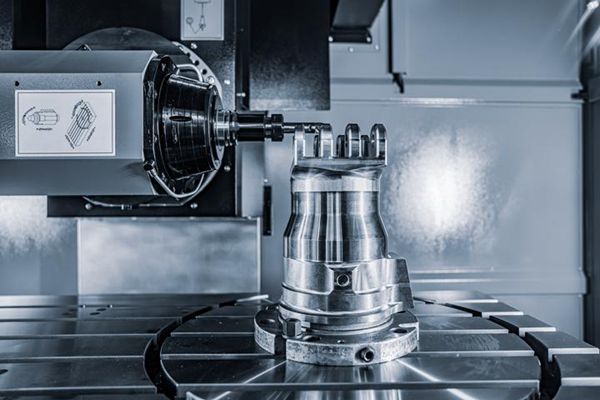
What is CNC Milling?
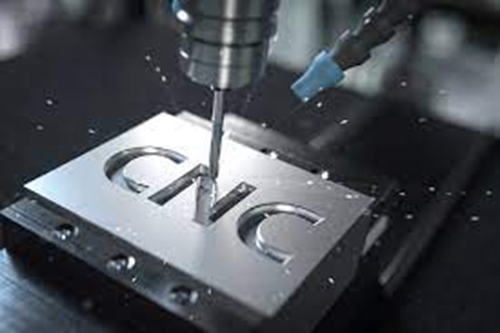
CNC milling, or computer numerically controlled milling, is a machining process that uses computer-controlled and rotating multi-point cutting tools to incrementally remove material from a workpiece and produce custom-designed parts or products. The process is suitable for machining a variety of materials such as metal, plastic, wood, and producing a variety of custom designed parts and products.
A variety of functions are available under the umbrella of precision CNC machining services, including mechanical, chemical, electrical and thermal machining. CNC milling is a machining process that includes drilling, turning, and various other machining processes, meaning that material is removed from the workpiece by mechanical means such as the cutting tool action of a milling machine.
What is milling?
This is a type of machining that uses cutters to shape a workpiece on a table that is usually movable, although some milling machines also have movable cutters. Milling was originally a manual operation performed by workers, but today, most milling is done by CNC milling machines, which utilize computers to oversee the milling process. CNC milling can provide greater precision, accuracy, and productivity, but there are situations where manual milling is useful. Manual milling requires a great deal of technical skill and experience, thus reducing turnaround time. It also has the added benefit that manual milling machines are less expensive and the user does not need to worry about programming the machine.
Overview of CNC milling
Like most traditional mechanical CNC machining processes, the CNC milling process utilizes computer controls to operate and manipulate the machine tool that cuts and shapes the blank. Additionally, the process follows the same basic production stages as all CNC machining processes, including:
- Design CAD model
- Convert CAD model to CNC program
- Setting Up the CNC Mill
- Perform milling operations
The CNC milling process begins with the creation of a 2D or 3D CAD part design. The complete design is then exported to a CNC-compatible file format and converted by CAM software into a CNC machine program that instructs the movements of the machine and the movement of the tool across the workpiece. Before operators run a CNC program, they prepare a CNC mill by securing the workpiece to the machine's work surface (i.e., table) or workpiece fixture (such as a vise), and mounting the milling tool to the machine spindle. The CNC milling process employs horizontal or vertical CNC powerful milling machines - depending on the specifications and requirements of the milling application - and rotating multi-point (i.e., multi-tooth) cutting tools such as milling cutters and drills. When the machine is ready, the operator initiates the program through the machine interface, prompting the machine to perform the milling operation.
Once the CNC milling process is started, the machine tool starts spinning the cutting tool at speeds up to thousands of revolutions per minute. Depending on the type of milling machine used and the requirements of the milling application, when the tool plunges into the workpiece, the machine will do one of the following to make the necessary cuts in the workpiece:
- Slowly feed the workpiece into a stationary rotary tool
- Move the tool on a fixed workpiece
- Move Tool and Workpiece Relatively
In CNC milling, as opposed to the manual milling process, the machine tool typically conveys the movable workpiece by the rotation of the cutting tool rather than by the rotation of the cutting tool. A milling operation that follows this convention is called a climb milling operation, while the opposite operation is called a conventional milling operation.
In general, milling is best suited as an auxiliary or finishing process to an already machined workpiece, to provide the definition of or to produce part features such as holes, slots, and threads. However, the process can also be used to mold stock material from start to finish. In both cases, the milling process gradually removes material to create the desired shape and part form. First, the tool cuts small pieces, or chips, from the workpiece to create an approximate shape. The workpiece is then milled at a higher rate and with greater precision, finishing the part with its precise features and specifications. Typically, the finished part needs to be machined several times to achieve the required precision and tolerances. For parts with more complex geometries, once the milling operation is complete and the part is produced to custom-designed specifications, the milled part enters the finishing and post-processing stages of production.
CNC milling machine operation
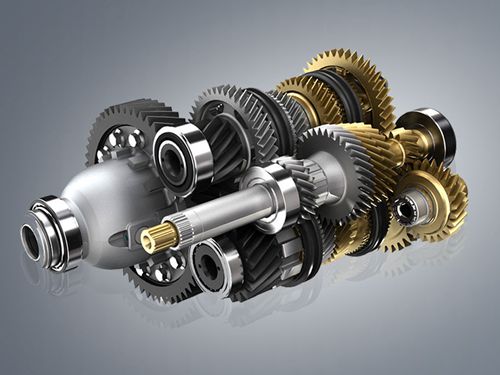
CNC milling is a machining process suitable for producing high precision, high tolerance parts in prototype, one-off and small to medium production runs. While parts are typically manufactured to tolerances of +/- 2 wires to +/- 10 wires, some milling machines can achieve tolerances as high as +/- 1 wire or even higher. The versatility of the milling process enables it to be used in a wide range of industries and for a variety of part features and designs, including slots, chamfers, threads and cavities. The most common CNC milling operations include:
- face milling
- Face milling
- Angle milling
- Form milling
face milling
Face milling in which the axis of rotation of the cutting tool is perpendicular to the surface of the workpiece. This method uses a face milling cutter having teeth on both the peripheral and tool faces, where the peripheral teeth are used primarily for cutting and the face teeth are used for finishing applications. Typically, face milling is used to create flat surfaces and contours on finished parts and is capable of producing a higher quality finish than other milling processes. Both vertical and horizontal milling machines support this process.
Types of face milling include end mills and side mills, which use end mills and side mills, respectively.
Types of face milling include end mills and side mills, which use end mills and side mills, respectively.
Face milling
Face milling, also known as face milling or plate milling, where the axis of rotation of the cutting tool is parallel to the surface of the workpiece. The process uses ordinary milling cutter teeth to perform the cutting operation on the periphery. Narrow and wide cutters are available depending on the specifications of the milling application, such as depth of cut and workpiece size. Narrow knives make deeper cuts, while wide knives can be used to cut larger surface areas. If a flat milling application requires the removal of large amounts of material from a workpiece, the operator starts by using a coarse-tooth milling cutter, slow cutting speeds, and fast feed rates to produce the approximate geometry of a custom-designed part. The operator then introduces finer-toothed cutters, faster cutting speeds and slower feed rates to produce the details of the finished part.
Angle milling
Angle milling is where the axis of rotation of the cutting tool is at an angle relative to the surface of the workpiece. The process uses a single-angle milling cutter (the angle is determined based on the specific design being machined) to produce angled features such as chamfers, serrations, and grooves. A common application of angle milling is the production of dovetails, which use a 45°, 50°, 55° or 60° dovetail milling cutter depending on the design of the dovetail.
Form milling
Form milling refers to milling operations that involve irregular surfaces, contours and contours, such as parts with curved and flat surfaces or completely curved surfaces. The process employs form milling cutters or fly cutters that are specialized for specific applications, such as convex, concave and corner radius milling cutters. Some common applications of form milling include the production of hemispherical and semicircular cavities, beads and profiles, as well as complex designs and complex parts from a single machine setup.
Other Mill Operations
In addition to the above operations, milling machines can also be used to perform other specialized milling and machining operations. Examples of other types of mill operations that are available include:
Step Milling: Step milling refers to milling operations in which the machine tool machines two or more parallel workpiece surfaces in one cut. The process uses two tools on the same machine tool spindle, which are arranged so that the tools are on either side of the workpiece and can mill both sides simultaneously.
Combined Milling: What is Combined Milling? Combined milling is a milling operation that employs two or more tools (usually tools of different sizes, shapes or widths) on the same machine tool spindle. Each cutter can perform the same cutting operation or different cutting operations at the same time, allowing more complex parts to be produced in shorter production times.
Contour Milling: Contour milling refers to where a machine tool creates cutting paths on a workpiece along vertical or inclined surfaces. The process uses contour milling equipment and cutting tools, which can be parallel or perpendicular to the workpiece surface.
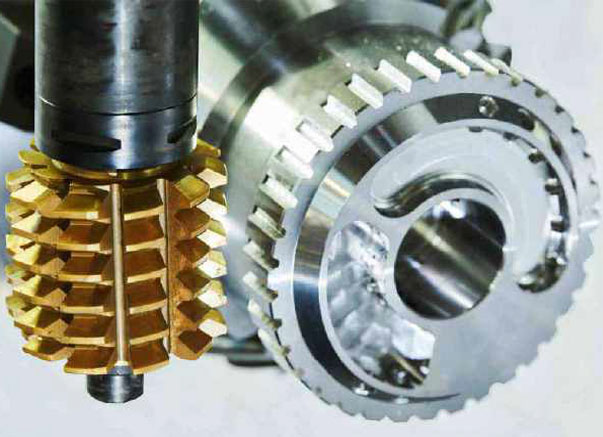
Gear Cutting: Gear cutting is a milling operation that uses involute gear cutters to produce gear teeth. These cutters are a type of form milling cutter and are available in various shapes and pitch sizes depending on the number of teeth required for a particular gear design. During this process, special turning tool heads can also be used to produce gear teeth.
Other machining processes: Since milling machines support the use of other machine tools than milling tools, they can be used for machining processes other than milling, such as drilling, boring, reaming, and tapping.
Like most CNC machining processes, the CNC milling process uses CAD software to generate an initial part design and CAM software to generate a CNC program that provides machining instructions to produce the part. The CNC program is then loaded onto the selected CNC machine to start and execute the milling process.
What is CNC turning?