
What are the requirements for materials during the processing of parts
author: Hansheng Automation
2023-05-23
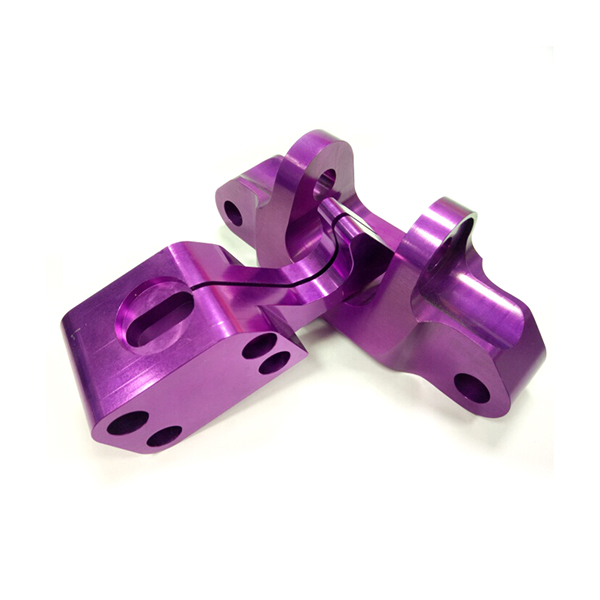
When the same parts are produced using different process plans, their production efficiency and economic benefits also differ.
Precision machining of parts is not possible for all materials. Some materials have a hardness that exceeds the hardness of the machining machine, which may cause the machine to collapse. Therefore, these materials are not suitable for precision machining, unless they are made of special materials or laser cutting.
The processed materials are divided into two categories: metallic materials and non-metallic materials. For metallic materials, stainless steel has the highest hardness, followed by cast iron, followed by copper, and finally aluminum. The processing of ceramics, plastics, and other materials belongs to the processing of non-metallic materials.
The requirement for material hardness is that in some cases, the higher the hardness of the material, the better. However, it is limited to the hardness requirements of the machined parts, and the processed material cannot be too hard. If it is even harder than the machined parts, it cannot be processed. The material should be moderately soft and hard, at least one grade lower than the hardness of the machine parts, and it also depends on the purpose of the processed components, and the reasonable selection of materials for the machine parts.
How to Check the Causes of Errors Caused by Cutting Tools in Precision Part Processing
How to Control Vibration During CNC Machining
Related Article

Let us go over the foundations of the electroplating procedure. Electroplating involves several phases, and from pre-treatment to post-treatment there are several really significant ones.
The basic principle of surface treatment of precision parts in CNC machining

Audio panels, electronic cigarette shells, nameplateLOG, watch shells, etc. are among the CNC processing of high surface texture needs components.
CNC machining aluminum alloy parts high-quality surface texture process explained in detail

Metallic finishing, sometimes known as metallic finishing, is the process of using several techniques to change the surface of an object in order to improve appearance and performance, such as corrosion resistance, discoloration resistance, chemical resistance, abrasion resistance, and hardness, modify electrical conductivity, remove burrs, or apply a specific color to a machined part.
Metal CNC finishing surface treatment process and its working principle
