
What are systematic and random faults in precision parts processing
author: Hansheng Automation
2023-05-16
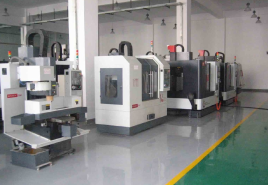
In the process of precision parts processing, the CNC machine tool fails and loses the specified function. According to the inevitability and contingency of the failure, it can be divided into systematic failure and random failure.
Systematic faults refer to faults that occur in machine tools or CNC systems as long as certain conditions are met. For example, in the process of precision parts processing, if the network voltage of the machine tool is too high or too low, the system will produce a voltage high alarm or a voltage low alarm; If the cutting amount is not arranged properly, overload alarms will be generated.
Random faults refer to faults that only occasionally occur once or twice under the same conditions. It is not easy to artificially cause the same malfunction to occur again, and sometimes it is difficult to encounter it again for a long time. The diagnosis and troubleshooting of such faults are very difficult. In general, these types of faults are often related to local looseness and misalignment of mechanical structures, drift in the working characteristics of some components in CNC systems, and a decrease in the reliability of machine tool electrical components.
What is the principle of static before dynamic maintenance in precision parts processing
How CNC machining manufacturers ensure high precision in part processing
Related Article

Let us go over the foundations of the electroplating procedure. Electroplating involves several phases, and from pre-treatment to post-treatment there are several really significant ones.
The basic principle of surface treatment of precision parts in CNC machining

Audio panels, electronic cigarette shells, nameplateLOG, watch shells, etc. are among the CNC processing of high surface texture needs components.
CNC machining aluminum alloy parts high-quality surface texture process explained in detail

Metallic finishing, sometimes known as metallic finishing, is the process of using several techniques to change the surface of an object in order to improve appearance and performance, such as corrosion resistance, discoloration resistance, chemical resistance, abrasion resistance, and hardness, modify electrical conductivity, remove burrs, or apply a specific color to a machined part.
Metal CNC finishing surface treatment process and its working principle
