
Types and methods of surface treatment
Surface treatment is also one of the processing methods of materials. Unlike machining and injection molding, it does not change the shape of the material, but it plays a very important role. The following describes the types and methods of surface treatment.
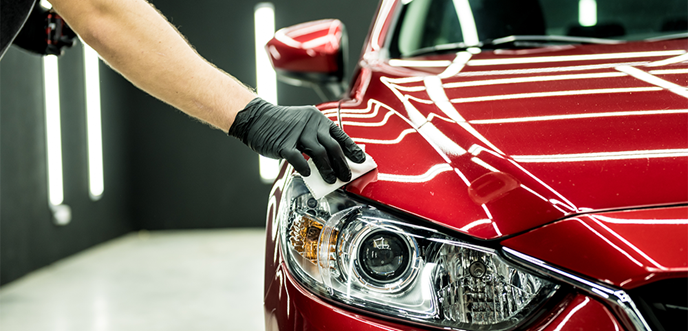
What is surface treatment
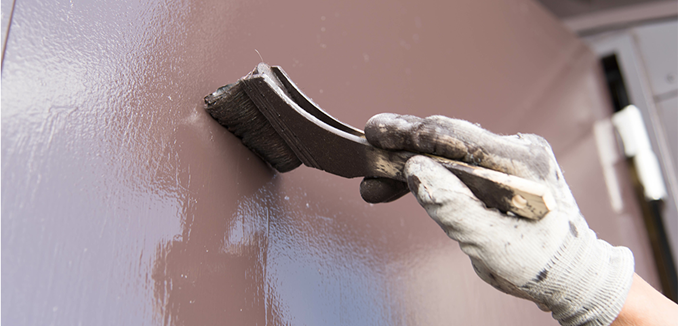
Surface treatment, as the name suggests, is a special processing of the "surface" of a material. For example, by painting and electroplating to prevent rust on metal sheets, or to coat with resin materials and metal materials, etc., it is possible to prevent corrosion and make it more aesthetically pleasing. Surface treatment includes additional processing to add other materials to the surface of the material and removal processing to remove a small amount of material from the surface.
Processing of adding other materials to the surface of the material
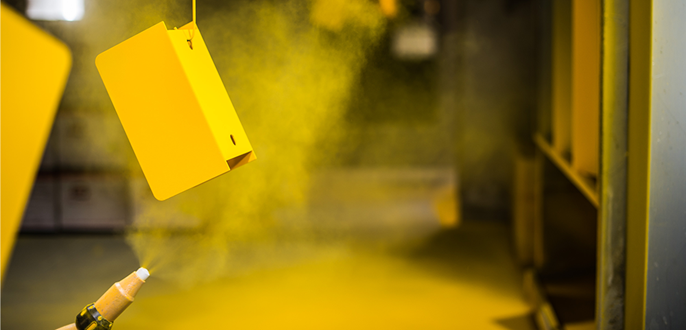
• Spraying: It is a processing method of applying paint to the surface of a material. The surface of the material is covered with a thin film formed by the paint to prevent corrosion (rusting) of the material. In addition, paints come in a variety of colors, and it is also possible to improve the aesthetics (decoration) of the appearance by this method. The object of its processing can be metal materials or resin materials, for example, the printing of the manufacturer's logo on household appliances is also considered a kind of painting processing. It has applications in various places such as car bodies, outdoor billboards, and household appliance shells. There are a variety of coating methods, including spraying with a spray gun and electrodeposition painting using an electrolytic solution that dissolves the paint.
• Electroplating: A method of coating a thin layer of metal on the surface of a material. In the past, it was only possible to plating metals, but with the development of technology, resins can now be plated as well. The purpose of this is to prevent rust and corrosion, making it more aesthetically pleasing. Represented by gold plating, it is a well-known electroplating method that uses a metal with a high unit price and a beautiful appearance only on the surface of the product. In addition, many grilles, screws, etc., which appear to be just iron products, are actually treated with galvanized or other coatings. Plating methods include hot-dip plating (immersion of a material in molten metal), electroless plating (depositing ionic metals on the surface of a material), and electrolytic plating.
Processing to remove a small amount of material from the surface
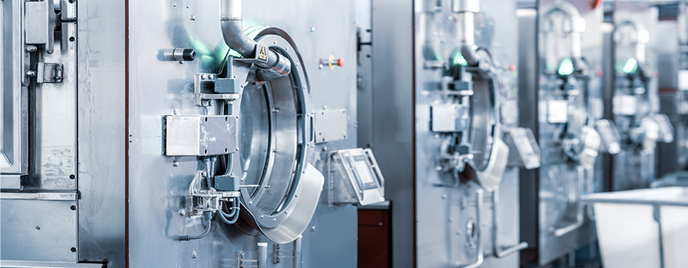
• Polishing: A method of grinding the surface of a material. In addition to thinning the surface with a brush or sand, chemical polishing of the surface with a small amount of chemical dissolution and electropolishing with surface electrolysis in an electrolytic solution can be used to remove impurities and foreign substances such as oxides attached to the surface of the material and reduce slight unevenness on the surface. It makes the surface of the material smoother, the appearance more aesthetically pleasing, and the gliding between other parts is smoother. Even for metal parts, this method makes it possible to achieve mirror processing that is as smooth as a mirror.
• Washing: is a method of striking the surface of a material with other substances. Washing with water, detergent, etc. is also a type of washing. Drum machining is the mixing of abrasives and other materials with the machined parts, while sandblasting and honing processes are the spraying of metal or abrasive grains on the material. The purpose of this process is to remove foreign matter, oxides and other impurities from the surface of the material. In many cases, drum machining and sandblasting are done to remove burrs after machining. In addition, parts that have been machined such as cutting are often cleaned with coolant and lubricating oil, etc. In addition, some metal parts with delicate surface textures also need to be sandblasted.
What is a mold? What is its structure?
Basic Knowledge, Applications, and Characteristics of CNC (Computer Numerical Control)
Related Article


