
The role of positioning operation specifications in precision parts processing
author: Hansheng Automation
2023-05-17
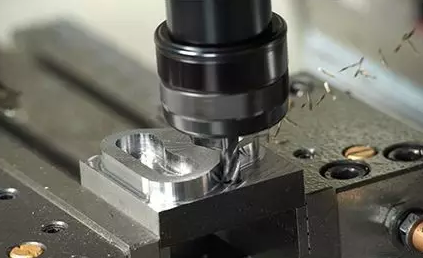
In the processing of precision parts, it is necessary to be familiar with the positioning method and wear pattern of precision reference positioning components, and carry out workpiece positioning operations according to the process operation instructions. For example, when using fixtures with precise positioning of side and horizontal surfaces, attention should be paid to cleaning the surface of the positioning element. The surface chips of the horizontal support plate are difficult to remove and should be carefully cleaned.
When installing the workpiece, it is not allowed to move it over a long distance on the positioning component to avoid damaging the accuracy of the workpiece reference and fixture positioning reference plane.
The degree of fit between the workpiece reference plane and the fixture positioning surface is usually detected using a thin feeler gauge. The placement of the workpiece is prohibited from impacting or impacting the positioning element. The method of slight movement and gradual approach is used to make the precise reference plane of the workpiece contact and fit with the fixture positioning surface.
Due to the movement of the workpiece and the impact of each placement on the edges and corners of the positioning surface of the support plate, the wear of the support plate is generally at the edges and corners. For example, when using a cylindrical positioning axis with a horizontal axis to locate sleeve parts, each time the workpiece is placed, the workpiece will collide with the circumferential edge of the guiding part when inserted into the positioning axis.
In precision parts processing, each time the workpiece is disassembled, due to the gravity of the workpiece, the cylindrical surface and edge area above the positioning shaft will experience more wear due to high friction. Therefore, the parts with greater wear on the horizontal positioning shaft should be located at the edge of the connecting part between the shaft end guide part and the positioning cylindrical surface, as well as the upper part of the positioning cylinder.
Therefore, when using fixtures with such positioning components, attention should be paid to overcoming the influence of gravity on the increased local friction of the positioning components during operation, and extending the service life of the fixture positioning components.
The Geometric Angle of Cutting Tools and the Types of Reference Systems in Precision Part Processing
Structural characteristics of staggered tooth three sided milling cutters in precision parts machining
Related Article

Let us go over the foundations of the electroplating procedure. Electroplating involves several phases, and from pre-treatment to post-treatment there are several really significant ones.
The basic principle of surface treatment of precision parts in CNC machining

Audio panels, electronic cigarette shells, nameplateLOG, watch shells, etc. are among the CNC processing of high surface texture needs components.
CNC machining aluminum alloy parts high-quality surface texture process explained in detail

Metallic finishing, sometimes known as metallic finishing, is the process of using several techniques to change the surface of an object in order to improve appearance and performance, such as corrosion resistance, discoloration resistance, chemical resistance, abrasion resistance, and hardness, modify electrical conductivity, remove burrs, or apply a specific color to a machined part.
Metal CNC finishing surface treatment process and its working principle
