Surface treatment methods of machined parts
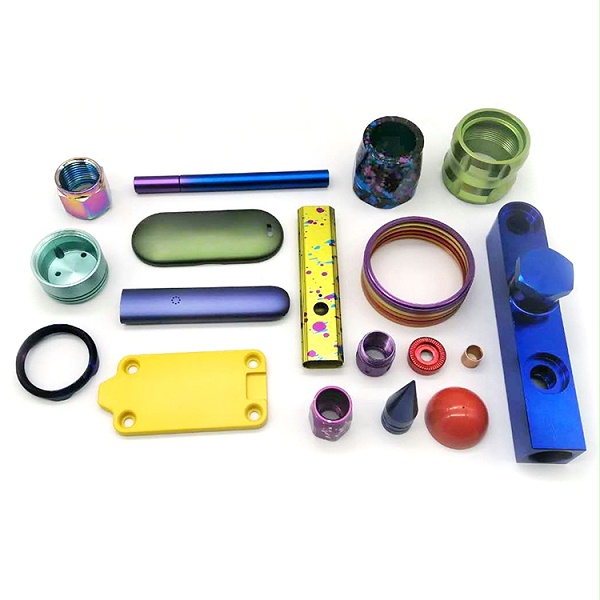
Surface treatment methods of machined parts
With our CNC machining services, you can choose from a variety of metal surface finishing services to improve part appearance, surface smoothness, corrosion resistance and other properties for your CNC drilled parts.
Painting:
Refers to spraying paint, pigment or color on a solid surface as a color protective layer to change the surface treatment process, which can be used to process metal or non-metal CNC machining parts of any shape, usually applied to aluminum, stainless steel and steel alloys Component. Its purpose is to improve the appearance and prevent corrosion or oxidation.
Passivation:
A common chemical surface treatment of steel and stainless steel that removes black contaminants or protects the material with a light coating to create a shell that enhances corrosion resistance or reduces chemical reactivity.
Electroplating/Electroplating:
The process of using an electric current to reduce dissolved metal cations so that they form a thin coherent metal coating on an electrode to change the nature of the metal surface or to build thickness for the part of the bore.
Powder Coating/Powder Coating:
A functional and decorative finish, it is a free-flowing dry powder that is applied electrostatically and then cured with heat to create a harder finish than conventional paint. The main application areas include household appliances, aluminum profiles, drum hardware, automobiles, motorcycles, bicycle parts, etc.
Anodizing/Anodizing:
An electrolytic passivation process that creates a thin layer of aluminum oxide on the exterior of aluminum CNC machined parts to increase the thickness of the native oxide layer and protect the metal as this layer is more resistant to corrosion and wear than aluminum .
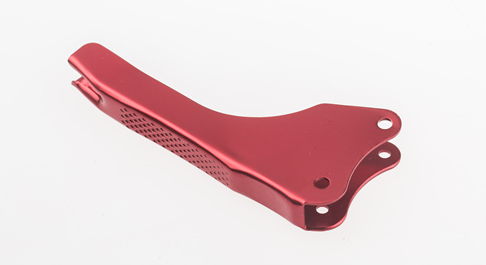
Polishing:
Also known as polishing, is a process of rubbing the surface of a part or using chemical action to produce a smooth and shiny surface, so that the surface has a significant specular reflection or reduces the diffuse reflection of some materials.
Black Oxide:
Also known as blackening, gun blue light or thermal blackening, a chemical process that forms a black conversion coating on stainless steel, copper and copper-based alloys, zinc, powdered metals, silver solder, and ferrous materials, improving resistance Corrosive, minimizes light reflection.
Conversion Coating:
Also known as chromate conversion, this coating is used to convert metals through chemical or electrochemical processes into a protective layer, primarily as a corrosion inhibitor, decorative finish, or to maintain electrical conductivity.
Bead Explosion/Bead Explosion: The process of removing surface deposits by applying fine glass beads under high pressure without damaging the surface.
Bead Explosion/Bead Explosion: The process of removing surface deposits by applying fine glass beads under high pressure without damaging the surface.
Sandblasting/Sandblasting:
The process or operation of propelling an abrasive stream consisting of high velocity sand particles, at high pressure with an air pressure system such as a charging device, to remove surface contaminants, clean metal or add texture and then alter the smoothness or roughness of a surface Spend.
Custom CNC Drilling Service
What is Laser Cutting?