
Process benchmark for precision parts processing
author: Hansheng Automation
2023-05-15
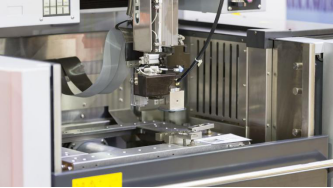
The precision parts processing process is the process of directly changing the appearance (shape, size, position, performance) of raw materials, making them semi-finished or finished products. This process is called the process flow, which is the machining process benchmark for parts. The machining of precision parts is relatively complex. Below, we will answer the process benchmark for precision parts machining.
The benchmark of precision parts processing technology can be divided into different categories: casting, forging, stamping, welding, heat treatment, machining, assembly, etc. The machining process of precision parts generally refers to the overall CNC machining and machine assembly process of the entire part, while other auxiliary processes such as cleaning, inspection, equipment maintenance, oil seals, etc. are only auxiliary processes. The method of turning changes the surface characteristics of raw materials or semi-finished products. This process is called CNC machining process. CNC machining process is the most important process in the precision parts processing industry.
Process Benchmark for CNC Part Processing
How to Choose a Tool Handle for Turning and Milling Compound in Dongguan CNC Precision Machining Factory
Related Article

Let us go over the foundations of the electroplating procedure. Electroplating involves several phases, and from pre-treatment to post-treatment there are several really significant ones.
The basic principle of surface treatment of precision parts in CNC machining

Audio panels, electronic cigarette shells, nameplateLOG, watch shells, etc. are among the CNC processing of high surface texture needs components.
CNC machining aluminum alloy parts high-quality surface texture process explained in detail

Metallic finishing, sometimes known as metallic finishing, is the process of using several techniques to change the surface of an object in order to improve appearance and performance, such as corrosion resistance, discoloration resistance, chemical resistance, abrasion resistance, and hardness, modify electrical conductivity, remove burrs, or apply a specific color to a machined part.
Metal CNC finishing surface treatment process and its working principle
