
What is the hardest material to CNC
2025-08-26
What is the hardest material to CNC?
CNC machining has redefined what’s possible in manufacturing—from intricate aerospace components to tiny medical implants— but its capabilities are ultimately limited by one critical factor: the CNC material being processed. Not all CNC materials are equal: soft metals like aluminum or plastic flow easily under cutting tools, while superhard CNC materials resist even the sharpest blades and highest machining speeds. This raises a key question for manufacturers and CNC professionals alike: What is the hardest material to CNC?
To answer this, we must first link CNC material properties to CNC machining difficulty. A CNC material’s hardness (measured on the Mohs scale or Vickers hardness test), abrasiveness, melting point,and brittleness directly dictate how challenging it is to cut, drill, or shape via CNC machining. The hardest CNC materials push CNC machining to its limits: they wear down tools in minutes, generate extreme heat that damages equipment, and require specialized techniques to avoid cracking. In this blog, we’ll break down the hardest CNC materials to machine, explain why they’re so difficult, and explore the strategies that make CNC machining these materials possible (if not easy).
How CNC Material Properties Shape CNC Machining Difficulty
Before identifying the hardest CNC material to CNC, it’s critical to understand why some CNC materials are harder to machine than others. CNC machining relies on cutting tools (e.g., end mills, drills) to remove material from a workpiece—but when the CNC material is harder than the tool itself, the process breaks down. Three key CNC material properties drive difficulty in CNC machining:
Hardness: The Primary Barrier to CNC Machining
Hardness is the most obvious factor. The Mohs scale (1-10, with diamond at 10) and Vickers hardness test (measuring indentation resistance) quantify how much force a CNC material can resist. For context:
- Aluminum (a common CNC material) has a Vickers hardness of ~100 HV and Mohs hardness of 2.7.
- Steel (another staple) ranges from 150-500 HV (Mohs 4-5).
- Superhard CNC materials like cubic boron nitride (CBN) hit 4,500-5,000 HV (Mohs 9.5), and diamond reaches 10,000 HV (Mohs 10).
In CNC machining, the cutting tool must be harder than the CNC material to make a clean cut. If the CNC material is harder, the tool dulls or chips instantly—rendering CNC machining impossible with standard equipment.
Abrasiveness: Accelerating Tool Wear in CNC Machining
Abrasiveness refers to how much a CNC material wears down cutting tools during CNC machining. Even some materials with moderate hardness (e.g., silicon carbide, ~2,500 HV) are highly abrasive, as their crystalline structure acts like sandpaper on tools. For example, when CNC machining silicon carbide (a common CNC material in electronics), the material’s tiny hard particles scrape the tool’s edge, reducing its lifespan from hours (for aluminum) to minutes.
Abrasive CNC materials force CNC machining operations to pause frequently for tool changes, increasing downtime and costs. They also require specialized tool coatings (e.g., diamond-like carbon, DLC) to slow wear—adding another layer of complexity to CNC machining.
High Melting Points & Brittleness: Heat and Crack Risks
Superhard CNC materials often have extremely high melting points (e.g., tungsten carbide melts at 2,870°C; diamond sublimes at 3,550°C). During CNC machining, cutting tools generate intense heat (up to 1,000°C) as they rub against the material. For low-melting CNC materials, coolant can dissipate this heat—but for superhard CNC materials, the heat remains concentrated, softening the tool (even if it’s hard) or warping the workpiece.
Brittleness compounds the problem. Many superhard CNC materials (e.g., CBN, synthetic diamond) are brittle—meaning they crack easily under pressure. In CNC machining, even slight vibrations (from tool chatter or unstable fixtures) can cause the workpiece to shatter, ruining hours of work. Balancing cutting force (needed to remove material) with fragility (to avoid cracking) is one of the biggest challenges in CNC machining superhard CNC materials.
The Hardest CNC Materials to CNC
Now, to answer “What is the hardest material to CNC?”—the answer isn’t a single material, but a group of superhard CNC materials that test the limits of CNC machining. Below are the most challenging, ordered by difficulty.
Synthetic Diamond: The Hardest CNC Material (and Hardest to Machine)
Synthetic diamond is the hardest known CNC material (Mohs 10, Vickers 10,000 HV)—and thus the hardest to CNC. Unlike natural diamond (rare and expensive), synthetic diamond is produced in labs for industrial use (e.g., cutting tools, semiconductor wafers). But its extreme hardness makes CNC machining it nearly impossible with standard methods.
Why Synthetic Diamond Is So Hard to CNC Machine
- No harder tool exists: The only tool that can cut synthetic diamond is another diamond (e.g., diamond-coated end mills or diamond grinding wheels). Even then, CNC machining synthetic diamond is slow—feed rates must be 10-100x slower than for aluminum to avoid tool damage.
- Heat sensitivity: Synthetic diamond oxidizes (burns) at 600°C, which is well below the heat generated during CNC machining. Coolant alone isn’t enough—CNC machining synthetic diamond requires cryogenic cooling (using liquid nitrogen to keep temperatures below 200°C).
- Brittleness: Synthetic diamond is prone to cracking if the cutting force is too high. CNC machining programs for synthetic diamond require ultra-light cuts (0.001mm depth per pass) and high spindle speeds (15,000+ RPM) to minimize pressure—adding hours to production time.
Applications That Demand CNC Machining Synthetic Diamond
Despite the challenges, synthetic diamond is a critical CNC material for high-tech industries:
- Semiconductors: Synthetic diamond wafers are used in power electronics (they conduct heat better than silicon). CNC machining shapes these wafers into precise chips.
- Optics: Synthetic diamond lenses are used in high-power lasers. CNC machining ensures the lenses have ultra-smooth surfaces (tolerances of ±0.0001mm).
CNC machining synthetic diamond isn’t “easy”—it requires specialized CNC machines with high rigidity (to reduce vibration) and cryogenic cooling systems. Even then, it’s reserved for high-value, low-volume parts where no other CNC material will work.
Cubic Boron Nitride (CBN): The "Almost Unmachinable" CNC Material
Cubic boron nitride (CBN) is the second-hardest CNC material (Mohs 9.5, Vickers 4,500-5,000 HV)—and a close second to synthetic diamond in CNC machining difficulty. CBN is often used as a cutting tool for hard metals (e.g., hardened steel), but machining CBN itself is a nightmare for CNC professionals.
Why CBN Is a Challenge for CNC Machining
- Tool wear is extreme: CBN is harder than almost all cutting tools—only diamond tools can machine it. Even diamond-coated tools wear down 5x faster when machining CBN than when machining steel.
- Heat management is critical: CBN has a melting point of 3,000°C, but it loses hardness at temperatures above 1,200°C. During CNC machining, the friction between diamond tools and CBN can push temperatures past this threshold, softening the tool and ruining the cut.
- Precision is hard to maintain: CBN’s brittleness means even small deviations in cutting force (e.g., from a slightly dull tool) cause chipping. CNC machining CBN requires constant monitoring of tool condition and real-time adjustments to feed rates—tasks that demand skilled operators.
When CNC Machining CBN Is Necessary
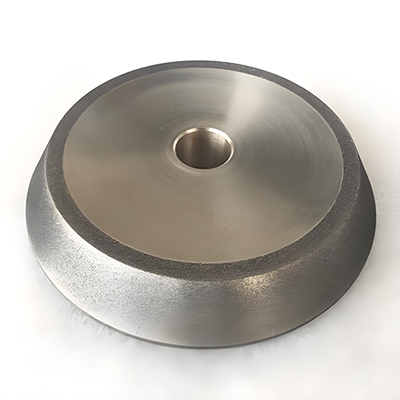
CBN is a key CNC material for industries that need extreme durability:
- Aerospace: CBN components are used in jet engine parts (they resist high temperatures and wear).
- Tooling: CBN inserts are used in metal-cutting tools. CNC machining shapes these inserts into precise geometries.
CNC machining CBN typically uses “grinding” rather than traditional milling or turning—grinding wheels with diamond grit slowly abrade the CBN, rather than cutting it. This process is slow (a single CBN part can take 8+ hours to machine) but necessary for quality.
Tungsten Carbide: The "Common" Hard CNC Material
Tungsten carbide (WC) is less hard than CBN or diamond (Vickers 1,800-2,500 HV, Mohs 8.5) but is far more common—and still one of the hardest CNC materials to machine. Tungsten carbide is a composite (tungsten + carbon) used in everything from drill bits to armor plating, making its CNC machining a frequent challenge for manufacturers.
Why Tungsten Carbide Is Hard to CNC Machine
- Abrasiveness and hardness: Tungsten carbide is both hard and highly abrasive. Standard carbide tools (used for steel) dull in minutes when machining tungsten carbide—only CBN or diamond tools work, increasing tool costs by 5-10x.
- Vibration sensitivity: Tungsten carbide is rigid but brittle. In CNC machining, tool chatter (vibrations from mismatched feed rates and spindle speeds) can cause the workpiece to crack. CNC machines for tungsten carbide need high rigidity (thick frames, heavy-duty spindles) to reduce vibration.
- Chip evacuation: During CNC machining, tungsten carbide produces tiny, sharp chips that can clog the cutting tool or scratch the workpiece. Coolant systems must be powerful enough to flush chips away, and CNC programs must include frequent “chip breaks” (pauses to clear debris).
Everyday Uses of CNC Machined Tungsten Carbide
Despite the challenges, tungsten carbide’s durability makes it a vital CNC material:
- Tooling: Tungsten carbide drill bits and end mills are used in metalworking.
- Automotive: Tungsten carbide parts are used in brake pads and transmission components.
CNC machining tungsten carbide often uses “high-feed” strategies—slow spindle speeds (3,000-5,000 RPM) and light, frequent cuts—to balance material removal and tool life. It’s not as hard as diamond or CBN, but it’s a more common pain point for CNC shops.
Key Strategies to Make CNC Machining Superhard CNC Materials Possible
While superhard CNC materials are difficult to machine, they’re not impossible—with the right tools, equipment, and techniques. Below are the critical strategies that enable CNC machining of these challenging CNC materials.
Use Superhard Cutting Tools (and Coatings)
The first rule of CNC machining superhard CNC materials is: the tool must be harder than the material. For most superhard CNC materials, this means:
- Diamond tools: Polycrystalline diamond (PCD) tools or diamond-coated tools are the only option for machining synthetic diamond, CBN, or tungsten carbide. PCD tools are made by sintering tiny diamond particles into a solid tool—they retain hardness even at high temperatures.
- CBN tools: For tungsten carbide or hardened steel (a less hard but still challenging CNC material), CBN tools offer a more cost-effective alternative to diamond. They’re less brittle than diamond and work well at high speeds.
Tool coatings further improve performance:
- Diamond-like carbon (DLC): DLC coatings reduce friction between the tool and CNC material, slowing wear during CNC machining.
- Titanium aluminum nitride (TiAlN): TiAlN coatings resist heat, making them useful for CNC machining tungsten carbide (which generates moderate heat).
Optimize Coolant & Heat Management
Heat is the enemy of CNC machining superhard CNC materials—so effective cooling is non-negotiable. Common cooling strategies include:
- Cryogenic cooling: Using liquid nitrogen (LN2) or liquid carbon dioxide (CO2) to cool the cutting zone. This keeps temperatures below 200°C, preventing tool softening and material oxidation (critical for synthetic diamond and CBN).
- High-pressure coolant (HPC): For tungsten carbide, HPC systems (300+ bar pressure) blast coolant directly into the cutting zone, flushing chips and dissipating heat.
- Oil mist cooling: A fine mist of oil and air reduces friction and heat without flooding the workpiece (useful for CNC machining small, delicate superhard parts).
Precision CNC Programming & Machine Setup
CNC programming for superhard CNC materials is vastly different from programming for aluminum. Key adjustments include:
- Slow feed rates: Feed rates for synthetic diamond or CBN are typically 5-20 mm/min—compared to 500-1,000 mm/min for aluminum. Slow feeds reduce tool wear and avoid cracking.
- Light depth of cut: Taking 0.001-0.005 mm cuts per pass (instead of 0.1-0.5 mm) minimizes pressure on brittle CNC materials.
- High spindle speeds: Spindle speeds of 10,000-20,000 RPM create smoother cuts and reduce tool chatter—critical for CNC machining CBN or tungsten carbide.
Machine setup is equally important:
- Rigid fixtures: Heavy-duty vises or clamps hold the CNC material firmly, reducing vibration.
- Workpiece preheating (for some materials): For extremely brittle CNC materials (e.g., certain ceramics), gentle preheating (to 100-200°C) reduces brittleness and lowers cracking risk.
Specialized CNC Machines for Superhard CNC Materials
Standard CNC machines (designed for aluminum or steel) lack the rigidity and precision needed for superhard CNC materials. Specialized machines include:
- High-rigidity CNC mills: These machines have thick, reinforced frames and heavy-duty spindles to minimize vibration during CNC machining.
- Ultrasonic-assisted CNC machines: These use ultrasonic vibrations (20,000+ Hz) to “break up” the CNC material as the tool cuts, reducing cutting force and tool wear. They’re especially useful for CNC machining tungsten carbide or ceramics.
- Laser CNC machines: For synthetic diamond or CBN, laser machining (which uses focused laser beams to vaporize material) avoids tool wear entirely. It’s slow but highly precise.
FAQ
Why is synthetic diamond considered the hardest CNC material to machine, even more so than CBN?
Synthetic diamond is the hardest CNC material because it has the highest Mohs and Vickers hardness ratings—no other material can scratch or cut it except another diamond. This means CNC machining synthetic diamond requires diamond tools, which still wear down quickly due to the material’s extreme hardness. Additionally, synthetic diamond is highly heat-sensitive (it oxidizes at 600°C) and brittle, so CNC machining must balance ultra-slow feed rates, cryogenic cooling, and minimal cutting force to avoid tool damage or workpiece cracking. CBN, while extremely hard, is slightly softer than diamond and more heat-tolerant, making its CNC machining slightly less challenging.
Is there any CNC material that’s impossible to machine with current CNC machining technology?
While no CNC material is entirely “impossible” to machine, some are so difficult that they’re only processed in specialized labs. For example, ultra-pure synthetic diamond (used in quantum computing) requires laser CNC machining combined with cryogenic cooling—and even then, production of a single small part can take days. Similarly, certain ultra-hard ceramics (e.g., boron carbide, Mohs 9.3) are so abrasive and brittle that CNC machining them is only feasible for tiny, high-value components (like armor plating for military drones). For most industrial purposes, however, even the hardest CNC materials (diamond, CBN, tungsten carbide) can be machined with the right tools and equipment—though it’s costly and time-consuming.
What’s the most common mistake manufacturers make when trying to CNC machine superhard CNC materials?
The most common mistake is using standard tools and parameters designed for softer CNC materials. For example, a manufacturer might try to machine tungsten carbide with a standard carbide end mill (instead of a diamond or CBN tool), leading to immediate tool dulling and poor part quality. Another common error is skipping proper cooling—using flood coolant (designed for steel) instead of cryogenic cooling or high-pressure coolant, which causes overheating and tool softening. Additionally, many beginners use too high a feed rate or depth of cut, which can crack brittle CNC materials like CBN or synthetic diamond. Proper training on CNC material properties and specialized techniques is critical to avoiding these mistakes.
Are there any cost-effective alternatives to CNC machining superhard CNC materials?
In some cases, yes—if the application allows for slightly lower performance. For example, instead of CNC machining synthetic diamond for a cutting tool, manufacturers might use CBN (which is easier to machine and less expensive, though slightly less hard). For tungsten carbide parts, some industries switch to hardened steel (a softer CNC material that’s faster and cheaper to machine) if the part doesn’t need extreme wear resistance. Another alternative is “near-net shaping”: forming the CNC material into a rough shape (via sintering or casting) before CNC machining, which reduces the amount of material that needs to be cut—saving time and tool costs. However, for applications that demand the durability of superhard CNC materials (e.g., semiconductor wafers, aerospace engine parts), there’s no substitute for CNC machining.
Do operators need special training to CNC machine superhard CNC materials, or is standard CNC machining experience enough?
Standard CNC machining experience is a starting point, but operators need specialized training to work with superhard CNC materials. This training covers understanding CNC material properties (e.g., how hardness and brittleness affect cutting), selecting the right tools (diamond vs. CBN, coatings), setting up cooling systems (cryogenic vs. high-pressure), and programming for slow feeds and light cuts. Operators also need to learn how to monitor tool wear in real time (superhard CNC materials wear tools quickly, so frequent checks are necessary) and troubleshoot issues like chipping or overheating. Many manufacturers offer hands-on training with specialized CNC machines for superhard materials, and certifications (e.g., from the CNC Machine Tool Builders Association) can validate an operator’s expertise. Without this training, even experienced operators risk damaging equipment, wasting expensive CNC materials, or producing defective parts.
References
- CNC Machine Tool Builders Association (CMTBA). (2025). CNC Machining Superhard Materials: Best Practices for 2025. CMTBA Publications. This report details the challenges of machining diamond, CBN, and tungsten carbide, including tool selection, cooling strategies, and machine requirements—with case studies from aerospace and semiconductor industries.
- Manufacturing Technology Insights. (2024). The Hardest CNC Materials to Machine: Industry Trends and Innovations. Retrieved from https://www.manufacturingtechnologyinsights.com. This article analyzes 2024 data on CNC machining superhard materials, comparing tool life, production time, and costs across diamond, CBN, and tungsten carbide.
- Journal of Advanced Manufacturing Technology. (2025). Advances in Ultrasonic-Assisted CNC Machining of Ultra-Hard Materials. Vol. 48, Issue 2. This peer-reviewed study explores how ultrasonic technology improves CNC machining efficiency for tungsten carbide and CBN, reducing tool wear by up to 60% compared to traditional methods.
What is the biggest disadvantage of using CNC
Which are don'ts while using a CNC machine
Related Article

Gears are the backbone of mechanical transmission systems, converting rotational motion and torque between shafts to power everything from household appliances to industrial machinery.
What are the 4 types of gears

CNC machines (Computer Numerical Control machines) have transformed manufacturing by delivering unmatched precision, repeatability, and efficiency across material types—from metals to plastics and composites.
Which Industries Mostly Use CNC Machines

CNC machining is celebrated for its precision and versatility in shaping metals, plastics, and composites—but its subtractive nature (removing material from a solid workpiece to create parts) raises a critical question: “Is CNC machining wasteful?” At first glance, the piles of metal shavings, plastic chips, and scrapped parts from CNC operations might suggest yes.
Is CNC machining wasteful
