
Method for Determining Machining Allowance in Precision Parts Processing
author: Hansheng Automation
2023-05-15
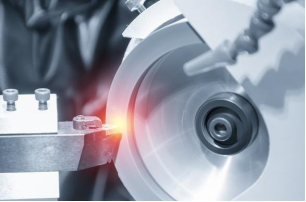
When determining the machining allowance in precision parts processing, the total machining allowance (blank allowance) and machining allowance should be determined separately. The size of the total machining allowance is related to the manufacturing accuracy of the selected blank. When using the lookup table correction method to determine the machining allowance, the rough machining process cannot be determined using the lookup table correction method, but must be obtained by subtracting the sum of other machining allowances from the total machining allowance.
1. Empirical estimation method, which estimates the machining allowance based on the actual experience of the craftsman. To avoid waste caused by insufficient gross profit, it is estimated that the gross profit is generally higher. This method is only used for single piece small batch production.
2. The table lookup and correction method is used to compile the processing allowance data accumulated in factory production practice and experimental research into tables and manuals. When determining the machining allowance in precision parts processing, the required data can be found in the manual first, and then adjusted appropriately according to the actual situation of the factory. This method is currently the most widely used. When looking up a table, it should be noted that the margin value in the table is the basic margin value. The machining allowance for symmetric planes is bilateral allowance, while the machining allowance for asymmetric planes is unilateral allowance.
3. Analysis calculation method refers to the method of determining machining allowance based on the above formula for machining allowance calculation and certain experimental data, comprehensively analyzing and calculating various factors that affect machining allowance. The machining allowance determined by this method is relatively economical and reasonable, but comprehensive and reliable experimental data must be available. At present, this method is only used in factories with very expensive materials, as well as in factories that produce military or small quantities.
Factors affecting surface roughness in precision parts machining
How to Choose Lubricating and Cutting Fluids for Turning and Milling Composite Machine Tools in Dongguan CNC Precision Machining Factory
Related Article

Let us go over the foundations of the electroplating procedure. Electroplating involves several phases, and from pre-treatment to post-treatment there are several really significant ones.
The basic principle of surface treatment of precision parts in CNC machining

Audio panels, electronic cigarette shells, nameplateLOG, watch shells, etc. are among the CNC processing of high surface texture needs components.
CNC machining aluminum alloy parts high-quality surface texture process explained in detail

Metallic finishing, sometimes known as metallic finishing, is the process of using several techniques to change the surface of an object in order to improve appearance and performance, such as corrosion resistance, discoloration resistance, chemical resistance, abrasion resistance, and hardness, modify electrical conductivity, remove burrs, or apply a specific color to a machined part.
Metal CNC finishing surface treatment process and its working principle
