
Metal plating process
What is metal plating?
Metal plating is a surface treatment technique that uses a chemical reaction to deposit a thin layer of metal on the surface of another material. It is designed to improve surface roughness, aesthetics, durability, and electrical conductivity.
In addition, common metal plating processes include chrome plating, nickel plating, copper plating, and zinc plating. This technology is widely used in auto parts, household appliances, decorative products and other fields.
What is the metal plating process?
Based on the above explanations, we now have a clear understanding of metal plating. So what are the specific steps involved in this process? Next, let's dive into the details of how to do metal plating.
1. Surface pretreatment:
Degreasing: Surface pretreatment usually begins with the use of an alkaline or acidic solution to remove any oils and impurities from the surface.
Pickling: An acidic solution is then used to remove surface oxidation and rust.
Polishing: Mechanical or chemical polishing is used to make the surface smooth and flat.
Activation: An acidic solution is applied to activate the surface and enhance the adhesion of the plating layer.
2. Plating:
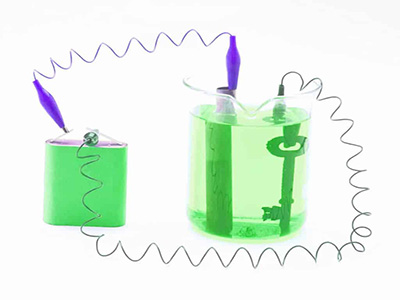
Plating bath: The workpiece is immersed in an electrolyte solution containing the desired metal ions.
Anode: The same plating material is usually used as the anode.
Power supply: Provides a constant current or voltage to drive an electrochemical reaction.
Plating time: Adjust the plating time according to the desired plating thickness.
3. Post-processing:
Rinse: Rinse repeatedly with clean water to remove impurities from the electrolyte.
Drying: Use hot air or vacuum drying to prevent oxidation of the surface.
Inspection: Check the thickness, gloss and adhesion of the plating.
Supplemental Treatment: Additional polishing, coloring, or other treatments as needed.
The entire electroplating process requires strict control of various parameters to ensure the quality and performance of the plating.
Types of metal plating finishes
1. Galvanized
Galvanizing is the process of applying a layer of zinc to the surface of a metal, alloy, or other material. The process is used to provide corrosion protection and improve the durability of the material. Galvanizing can be achieved by different methods, including hot-dip galvanizing, electroplating, and mechanical galvanizing. Hot-dip galvanizing is the most common method, and it involves immersing the metal in molten zinc to form a relatively thick layer of zinc with excellent corrosion resistance. It is suitable for use in the construction, automotive, and agricultural machinery sectors. Electroplating is ideal for situations where fine protection is required, resulting in a thinner but very uniform zinc layer, while mechanical galvanizing is suitable for parts with complex shapes.
2. Copper blowing
Copper plating includes cyanide copper plating, sulfate copper plating, and copper pyrophosphate plating. These electroplating baths have different chemistries and application properties. For example, copper cyanide coatings are relatively toxic but have good leveling and hiding power. Copper sulfate plating is suitable for plastic plating and surface treatment applications. However, copper pyrophosphate plating is favored because it is non-toxic, does not require ventilation, and has high current efficiency.
3. Nickel plating
There are two types of nickel plating: electroplating and electroless nickel plating. Nickel plating is formed by the deposition of a nickel layer on the cathode in an electrolyte containing nickel salts by reducing nickel ions under direct current. Electroless nickel plating, on the other hand, is the deposition of a nickel layer on the surface of the material through an autocatalytic reaction. The nickel plating layer has good corrosion resistance, wear resistance and electrical conductivity.
4. Chrome plating
Chrome plating is designed to improve hardness, abrasion resistance, and corrosion resistance. The chrome plating layer has excellent chemical stability and does not react easily with most organic acids, sulfides and bases. Therefore, it is often used as a protective and decorative plating layer.

5. Tin plating
Tin plating can be applied to a variety of metal materials such as iron, copper, aluminum, and steel. It can be tin plating by electrochemical methods or hot dip plating.
6.Silver-plated
Silver plating has good electrical conductivity, reflectivity, and decorative properties. Typically, manufacturers apply this method to the electronics, jewelry, and tableware sectors.
7. Gold plating
The gold plating has excellent chemical resistance and is able to withstand all acids except aqua regia. In addition, plating gold on the silver layer prevents the silver from discoloring, and gold alloy plating can take on a variety of hues.
In addition to the metal plating methods mentioned above, there are other processes such as rhodium plating, palladium plating, and cadmium plating.
Different techniques for metal plating
Here are a few common types of metallization techniques and their unique properties.
- Electroplating: This is the most common metal plating method that uses an electric current to deposit a metal layer on the surface of a substrate. It can electroplate a variety of metallic metal materials, including copper, nickel, and chromium.
- Chemical plating: It relies on a chemical reaction to deposit a metal layer on the surface of the substrate. It is suitable for electroplating nickel, silver, and other metals.
- Physical vapor deposition (PVD): Metal evaporates or sputters onto the surface of the substrate, resulting in the formation of a metallic film.
- Chemical vapor deposition (CVD): The use of a chemical reaction opposite to gas to deposit a metal layer on the surface of a substrate. It is ideal for electroplating refractory metals such as tungsten and molybdenum.
- Dip plating: A substrate is immersed in a solution containing metal ions, which are deposited on the surface through a chemical reaction. This is usually applied to galvanized and chrome plating.
- Mechanical plating: The mechanical force is the attachment of metal powder to the surface of the substrate. Generally, it is suitable for zinc, copper, and other metal plating.
CNC machining in hydrogen equipment components
CNC machining of components for biomass power generation equipment
Related Article


