
Measurement methods in precision parts machining and milling
author: Hansheng Automation
2023-05-15
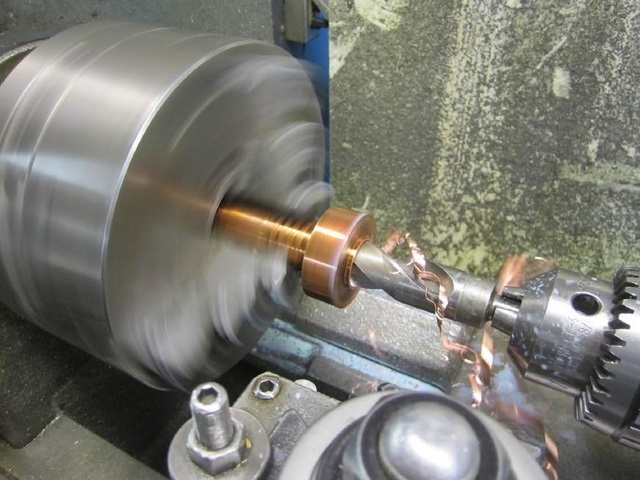
The classification and application of measurement methods in precision parts machining and milling: There are many types of measurement methods, including direct measurement, indirect measurement, absolute measurement, relative measurement, contact measurement, non-contact measurement, comprehensive measurement, single measurement, active measurement, passive measurement, static measurement, dynamic measurement, and other measurement methods.
The application of measurement technology in the field of precision parts processing should clarify the definition and application scope of various measurement methods. Dynamic measurement refers to the method of measuring the relative motion between the measuring head and the measured object during the continuous movement of the measured object. For example, using an indicator and a indexing head to measure the rise of the disc cam is considered dynamic measurement. Comprehensive measurement refers to a measurement method in which various parameters related to the measured object are combined into a comprehensive parameter for measurement. If a rectangular spline formed by milling is measured using a comprehensive environment, it is considered a comprehensive measurement when considering the parameters of symmetry and equal division.
Origin of workpiece coordinate system in precision part machining
Washing and Machining of Worms and Turbines in Precision Parts Processing
Related Article

Let us go over the foundations of the electroplating procedure. Electroplating involves several phases, and from pre-treatment to post-treatment there are several really significant ones.
The basic principle of surface treatment of precision parts in CNC machining

Audio panels, electronic cigarette shells, nameplateLOG, watch shells, etc. are among the CNC processing of high surface texture needs components.
CNC machining aluminum alloy parts high-quality surface texture process explained in detail

Metallic finishing, sometimes known as metallic finishing, is the process of using several techniques to change the surface of an object in order to improve appearance and performance, such as corrosion resistance, discoloration resistance, chemical resistance, abrasion resistance, and hardness, modify electrical conductivity, remove burrs, or apply a specific color to a machined part.
Metal CNC finishing surface treatment process and its working principle
