
Is CNC machining tiring in precision parts machining
author: Hansheng Automation
2023-05-10
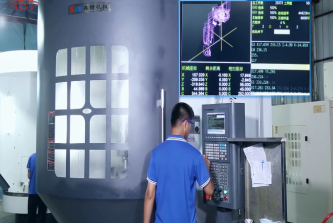
CNC machining in precision parts processing is a type of machining that achieves high precision and efficiency through computer control. So, is CNC machining tiring? Compared to traditional mechanical processing methods, the workload and labor intensity of CNC machining have indeed been reduced. In the process of CNC machining, people only need to perform simple operations, without the need for more complex operations and debugging like traditional mechanical processing, reducing the physical burden of workers.
In the process of CNC machining of precision parts, people need to perform operations such as machine startup and shutdown, program adjustment and monitoring, and part loading and unloading. Although these operations are relatively simple, they require long-term standing and observation, which can also bring certain fatigue to workers. Moreover, CNC machining also requires certain machine maintenance and upkeep, which requires workers to carry out maintenance and upkeep operations, which can also bring a certain level of labor intensity. Overall, CNC machining reduces the physical burden on workers compared to traditional mechanical machining methods, but still requires a certain level of labor intensity.
What are the accessories produced by five axis machines in precision parts processing
Maintenance of milling cutters in precision parts processing
Related Article

Let us go over the foundations of the electroplating procedure. Electroplating involves several phases, and from pre-treatment to post-treatment there are several really significant ones.
The basic principle of surface treatment of precision parts in CNC machining

Audio panels, electronic cigarette shells, nameplateLOG, watch shells, etc. are among the CNC processing of high surface texture needs components.
CNC machining aluminum alloy parts high-quality surface texture process explained in detail

Metallic finishing, sometimes known as metallic finishing, is the process of using several techniques to change the surface of an object in order to improve appearance and performance, such as corrosion resistance, discoloration resistance, chemical resistance, abrasion resistance, and hardness, modify electrical conductivity, remove burrs, or apply a specific color to a machined part.
Metal CNC finishing surface treatment process and its working principle
