
How to Control Vibration During CNC Machining
author: Hansheng Automation
2023-05-23
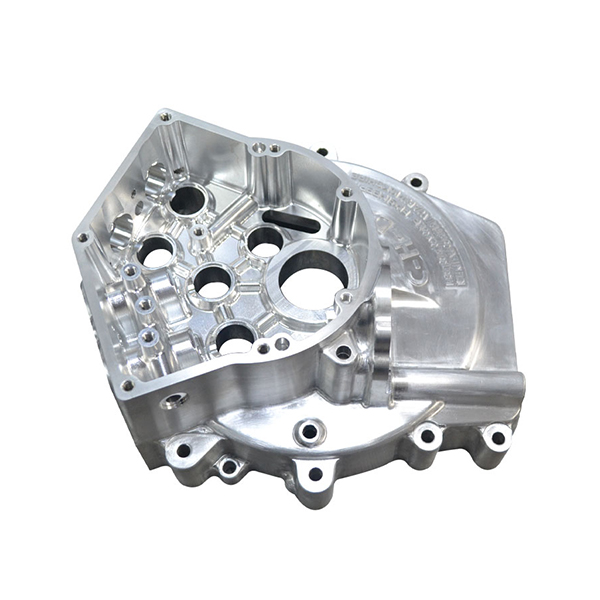
So, teach you how to control vibration during CNC machining:
(1) Solution ideas
1. Reduce the cutting force to the minimum.
2. It is to enhance the static rigidity of the tool system or fixture and workpiece as much as possible.
3. It is to create a vibration inside the tool holder to disrupt the vibration frequency of the external cutting force, thereby eliminating tool vibration.
(2) Countermeasures
1. Reduce the cutting force to the minimum.
(1) Use sharp blades to reduce cutting force.
(2) When the cutting depth is fixed, use a small tool tip arc radius.
(3) For boring and turning slender shaft parts with slender tool bars, a 90 degree main deviation angle tool should be used.
(4) For milling cutters with slender rods, circular blade milling cutters are more conducive to vibration reduction.
(5) Insertion milling method is often used when milling deep cavities with slender end mills.
(6) The face milling cutter uses sparse teeth and unequal distance milling cutters to reduce milling vibration.
(7) When boring internal holes, the smaller the blade shape angle, the better.
2. Improve the static stiffness of the tool holder (StaticToughness).
Using integral hard alloy or heavy metal tool holders to improve the static rigidity of the tool holder.
3. Improve the dynamic rigidity of the tool - passive damping and vibration avoidance tool bar.
What are the requirements for materials during the processing of parts
What is the service life of cutting tools in the process of precision parts processing
Related Article

Let us go over the foundations of the electroplating procedure. Electroplating involves several phases, and from pre-treatment to post-treatment there are several really significant ones.
The basic principle of surface treatment of precision parts in CNC machining

Audio panels, electronic cigarette shells, nameplateLOG, watch shells, etc. are among the CNC processing of high surface texture needs components.
CNC machining aluminum alloy parts high-quality surface texture process explained in detail

Metallic finishing, sometimes known as metallic finishing, is the process of using several techniques to change the surface of an object in order to improve appearance and performance, such as corrosion resistance, discoloration resistance, chemical resistance, abrasion resistance, and hardness, modify electrical conductivity, remove burrs, or apply a specific color to a machined part.
Metal CNC finishing surface treatment process and its working principle
