
How to Conduct Fixture Inspection and Detection in Precision Parts Processing
author: Hansheng Automation
2023-05-16
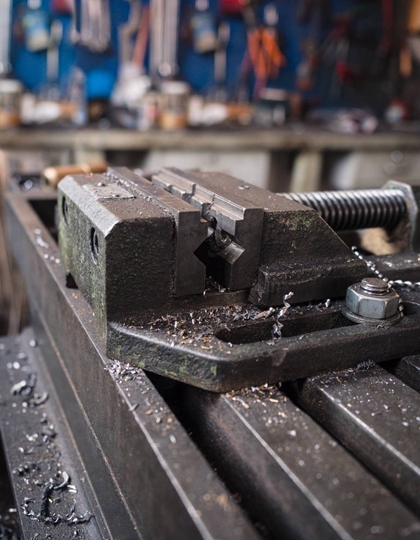
After a malfunction occurs during the processing of precision parts, the fixture should first be inspected and tested according to the fixture assembly drawing and technical requirements. The inspection content and steps are as follows:
1. Inspect and inspect the positioning surface of the positioning element to determine if the positioning element is damaged or worn beyond the limit value. Whether the wear of support parts such as support nails, support plates, positioning pins, adjustable supports, and self positioning supports is within the limit value range.
2. During the processing of precision parts, the clamping components, devices, and mechanisms are inspected and tested, such as whether the pressure plate is deformed, whether the tooth profile of the toothed pressure plate is damaged, whether the cushion block or support screw is displaced or damaged, whether there are leaks and motion faults in the pneumatic hydraulic device, whether the eccentric wheel of the eccentric mechanism is damaged or exceeds the wear limit, and whether the wedge fitting of the oblique wedge clamping mechanism meets the accuracy requirements Whether the screw transmission pair of the screw clamping mechanism is damaged, and whether the mechanical transmission components of the linkage clamping mechanism are intact.
What are the advantages of CNC precision machining parts
What is Forming Milling in Precision Parts Processing
Related Article

Let us go over the foundations of the electroplating procedure. Electroplating involves several phases, and from pre-treatment to post-treatment there are several really significant ones.
The basic principle of surface treatment of precision parts in CNC machining

Audio panels, electronic cigarette shells, nameplateLOG, watch shells, etc. are among the CNC processing of high surface texture needs components.
CNC machining aluminum alloy parts high-quality surface texture process explained in detail

Metallic finishing, sometimes known as metallic finishing, is the process of using several techniques to change the surface of an object in order to improve appearance and performance, such as corrosion resistance, discoloration resistance, chemical resistance, abrasion resistance, and hardness, modify electrical conductivity, remove burrs, or apply a specific color to a machined part.
Metal CNC finishing surface treatment process and its working principle
