
Fault Classification of CNC Lathe in Precision Parts Processing
author: Hansheng Automation
2023-05-10
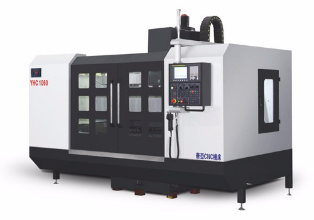
CNC lathe is a high-precision and high-efficiency machining equipment in precision parts processing, often used to manufacture high-precision parts. However, due to reasons such as prolonged use and aging of components, CNC lathes can also experience various malfunctions. Mainly divided into the following types of faults:
Mechanical failure: This type of failure is mainly caused by damage or aging of mechanical components, such as belt wear, guide rail deflection, spindle bearing failure, etc.
Electrical fault: This type of fault is mainly caused by damage to electrical components, poor circuit contact, unstable power supply voltage, and other reasons, such as motor failure to start, CNC system failure to operate normally, etc.
Hydraulic faults in precision parts machining refer to the causes of component damage, insufficient oil pressure, or oil contamination in the hydraulic system, such as oil pump failure, oil pipe rupture, hydraulic cylinder oil leakage, etc.
Programming fault: This type of fault is mainly caused by programming errors, program vulnerabilities, or improper setting of processing parameters, such as excessive machining size deviation, incorrect machining path, etc.
What are the advantages of deep hole honing processing at Dongguan CNC Precision Machining Factory
What are the accessories produced by five axis machines in precision parts processing
Related Article

Let us go over the foundations of the electroplating procedure. Electroplating involves several phases, and from pre-treatment to post-treatment there are several really significant ones.
The basic principle of surface treatment of precision parts in CNC machining

Audio panels, electronic cigarette shells, nameplateLOG, watch shells, etc. are among the CNC processing of high surface texture needs components.
CNC machining aluminum alloy parts high-quality surface texture process explained in detail

Metallic finishing, sometimes known as metallic finishing, is the process of using several techniques to change the surface of an object in order to improve appearance and performance, such as corrosion resistance, discoloration resistance, chemical resistance, abrasion resistance, and hardness, modify electrical conductivity, remove burrs, or apply a specific color to a machined part.
Metal CNC finishing surface treatment process and its working principle
