
CNC machining in hydrogen equipment components
In the production of hydrogen plants, the characteristics of the components, the material requirements, as well as the precision and surface quality requirements are very important.
Material Requirements:
Components for hydrogen power generation equipment require durable materials. These materials must have excellent corrosion resistance and high-temperature properties to ensure stability and longevity under extreme conditions. Commonly used materials include stainless steel, titanium alloys, and nickel-based alloys. In addition, these materials can withstand the embrittlement effects of hydrogen and maintain mechanical strength in harsh environments.
Structural complexity:
Structural complexity: Given the high-pressure conditions required for hydrogen transportation and storage, these components often have complex structures to withstand these pressures and prevent leaks. As a result, it requires the use of advanced technology and equipment in the design and manufacturing process to ensure the precise shape and function of each component.
Accuracy and surface quality requirements:
Components in hydrogen equipment often require very high machining accuracy and excellent surface quality to ensure airtightness and overall system reliability. CNC machining technology plays a vital role in meeting these requirements. It can be machined within micron tolerances and provides a smooth surface finish.
Advantages of CNC machining of hydrogen-powered components
The main advantages of CNC machining in the manufacture of hydrogen components are as follows:
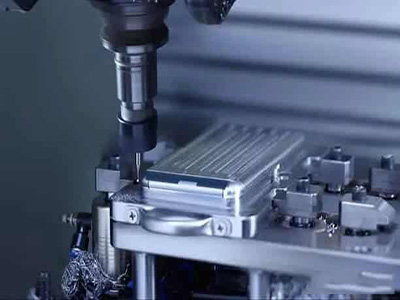
High precision: CNC machine tools can achieve micron-level machining accuracy, meeting the strict requirements of dimensional accuracy and surface quality of components.
Complex structures: It can efficiently process complex three-dimensional structures, thus ensuring the functionality and performance of components.
Material adaptability: In addition, it can process a variety of corrosion-resistant and high-temperature resistant special materials, such as stainless steel, titanium alloys, and nickel-based alloys.
Production efficiency: CNC machining has the characteristics of high degree of automation and high productivity. As a result, it significantly improves manufacturing efficiency, shortens production cycles, and reduces manufacturing costs.
To sum up, CNC machining technology plays a vital role in the manufacture of hydrogen equipment parts due to its high precision, high complexity, material adaptability and high efficiency.
The key technology of CNC machining
In the CNC machining process of hydrogen components, the following key technologies are crucial:
1. Selection of tools and fixtures:
Select the right tool material and geometry to meet the machining requirements of specialty materials, such as high temperature and corrosion resistance.
Special fixtures are used to ensure the stability and positioning accuracy of the workpiece during the machining process.
2. Optimization of processing parameters:
Through experiments and simulations, the cutting speed, feed rate, depth of cut, and other machining parameters are optimized to improve machining efficiency and surface quality.
Reasonable design of the machining path to minimize the deformation of the workpiece and ensure the geometric accuracy of the component.
3. On-line measurement and detection:
Utilize advanced measurement equipment, such as laser interferometers and contact probes, to monitor dimensional deviations in real-time during processing.
Machined parts are thoroughly tested with an on-board inspection system to ensure they meet stringent quality standards.
By optimizing and innovating these key technologies, CNC machining can take full advantage of its advantages in the manufacture of hydrogen components.
Application of CNC machining in the hydrogen industry
CNC machining has a wide range of applications in the hydrogen industry. Key areas include:
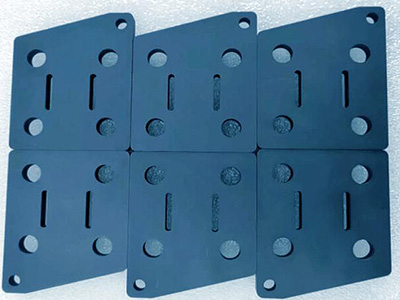
Critical components in the manufacture of hydrogen fuel cells, such as metal bipolar plates and gas diffusion layers, require precision machining to meet dimensional and surface quality requirements.
Producing hydrogen storage containers, from high-pressure hydrogen cylinders to liquid hydrogen tanks, requires CNC machining to achieve complex geometries and high precision.
Manufacture of accessories for hydrogen fuel cell power generation systems, including metal housings and brackets, where CNC machining allows for flexible and efficient custom production.
The manufacture of components for fuel cell testing equipment, involving flow meters and pressure sensors, requires precision machining to ensure measurement accuracy.
Production of other components for hydrogen applications, such as pipes and valves, where CNC machining can improve production efficiency and product quality.
A guide to the knurling process
Metal plating process
Related Article


