
Basic steps of milling machine fixtures in precision parts processing
author: Hansheng Automation
2023-05-16
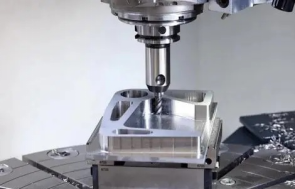
In the processing of precision parts, milling machine fixtures have three types: linear feed, circumferential feed, and profiling feed. The design of milling machine fixtures should follow the general steps of machine tool specific fixture design:
1. Understand the structural characteristics and materials of the workpiece, the machining surface, machining requirements, machining allowances, positioning standards, clamping components, and the machine tools, cutting tools, and measuring tools used in this process.
2. Conceptualize the structural plan of the fixture, such as clamp specific, positioning method and structure, clamping method and structure, tool setting device, setting device, etc.
3. Error analysis and clamping force estimation. When machining accuracy requirements are high, machining error analysis should be carried out. For parts with special structures that use pneumatic, hydraulic and other transmission devices, clamping force estimation should be carried out.
4. Draw general assembly drawings and non-standard part drawings, and refer to relevant standards to determine technical requirements for processing, assembly, and inspection.
In summary, the basic steps for designing milling machine fixtures in precision parts processing are the most basic requirements.
Two tips can significantly improve your turning and milling composite processing technology
What are the application methods of coordinate measuring machines in precision parts processing
Related Article

Let us go over the foundations of the electroplating procedure. Electroplating involves several phases, and from pre-treatment to post-treatment there are several really significant ones.
The basic principle of surface treatment of precision parts in CNC machining

Audio panels, electronic cigarette shells, nameplateLOG, watch shells, etc. are among the CNC processing of high surface texture needs components.
CNC machining aluminum alloy parts high-quality surface texture process explained in detail

Metallic finishing, sometimes known as metallic finishing, is the process of using several techniques to change the surface of an object in order to improve appearance and performance, such as corrosion resistance, discoloration resistance, chemical resistance, abrasion resistance, and hardness, modify electrical conductivity, remove burrs, or apply a specific color to a machined part.
Metal CNC finishing surface treatment process and its working principle
