
Aluminium processing: Concluding guidelines

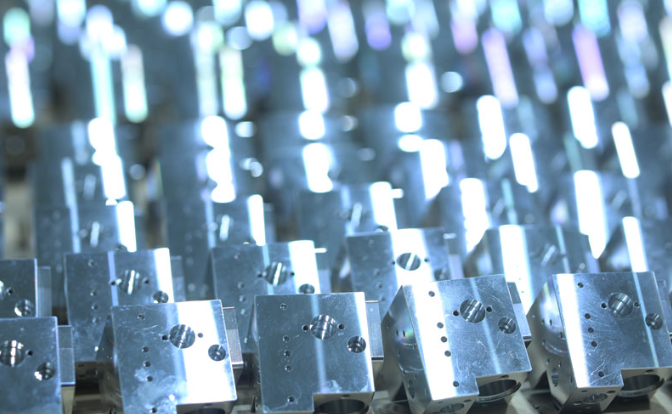
Aluminum is the most widely used CNC material in the machining shop. It is widely used through the manufacture and development of various industrial products, about which this guide will show some general characteristics of aluminum processing. Also, if you are a beginner, you will learn a lot.
• Aluminum alloy is a world leader in parts manufacturing and prototyping. These alloys have high strength and excellent corrosion resistance. Aluminum alloys are easier to work with than any other material and are much lighter than steel. In addition, in terms of bearing loads, aluminum is no less than heavy metals. But keep in mind that where high rigidity is required, heavy metals will be preferred.
• Because of its soft characteristics and high thermal conductivity, aluminum alloy can be processed at high speed, which helps the heat in the cutting zone to dissipate quickly, reduce the wear of cutting tools, and extend its service life.
• After machining, the final aluminum part usually does not require coating or painting to prevent corrosion, as the oxide film is sufficient to protect it. However, some surface treatment can be done, as we will see in one of the following sections.
Can we use aluminum for prototyping?
The short answer is yes. Prototyping is suitable for manufacturing complex machine parts with extremely high precision and accuracy. In the design and development phase of prototyping, people do not care about the choice of technology and materials. At this stage, aluminum processing plays a vital role in developing products through rapid prototyping. It is mainly recommended for the development of metal prototypes.
Aluminum is stronger and more robust than other metal alloys such as brass and copper, and these metals have higher workability compared to steel and titanium alloys. In most cases, manufacturers prefer to process aluminum to develop metal prototypes.
Surface treatment method for aluminum prototypes
Due to the oxide film on the surface of the material, the workpiece made of aluminum is already protected from corrosion. Nevertheless, there are a number of other surface treatment techniques used for aluminum prototypes. For example, standard coatings are available for surface coatings, which also come in different variants to give the final part an attractive appearance and prevent adverse environmental impacts.
Another method used for surface treatment is anodizing. In this process, the aluminum workpiece is connected to the circuit to remove impurities from the surface. This process creates micropores on the surface of the material, increasing the depth of the oxide layer and the corrosion resistance of the aluminum alloy. In addition, paint coatings can be applied to fill the pores created on the surface of the material. The result of this process will be a nice matte surface with the color you want.
It can also be ground and polished to produce a mirror-like surface. By removing burrs from the surface of the material, high precision and precision can be achieved through grinding. Polishing produces a bright and smooth surface, giving manufacturers the appearance of polished metal.
Different applications of aluminum machined parts
Because of their light weight, aluminum machined parts are often used in applications that require movement. As a result, they are widely used by automotive companies to produce lightweight vehicles to improve fuel efficiency. They are also used in the aerospace and Marine industries.
Due to their corrosion resistance, they are also used to develop Marine structures. Again, it is the perfect choice for manufacturers and builders. Household items such as utility appliances (irons, pans, etc.) are also made of aluminum parts because of their high thermal conductivity.
Aluminum alloys have high thermal and electrical conductivity, making them eligible for use in electronic devices. It can also be used for wiring purposes.
Specific parameters of aluminum processing technology
There are some important specifications that must be considered during aluminum processing. Before processing aluminum alloys, you need to adjust the following parameters.
• Spindle speed over 12,000 rpm (provides smooth surface finishing).
• Use a tool with 2 or 3 notches in the process.
• Maintain high feed speed.
• Properly arrange the use of coolant.
• Use soft fixtures.
• Always check chip removal.
• Use carbide tip tools for aluminum processing.
• Make sure your chip conveyor is working properly.
After adjusting the above parameters, the aluminum alloy can be processed.
Typical molding defects in injection molding and countermeasures
3D printers with rapid prototyping
Related Article


