
Anti-interference Technology of CNC Machine Tools in Precision Parts Processing
author: Hansheng Automation
2023-05-15
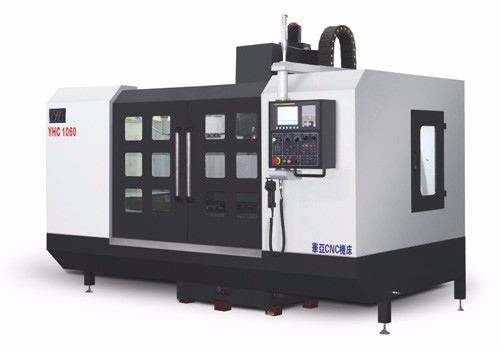
The interference encountered during the operation of CNC machines in precision parts processing is mainly electromagnetic interference. Electromagnetic interference generally refers to some electrical changes that are unrelated to useful signals and harmful to system performance or signal transmission that occur during the working process of the system. These harmful electrical changes cause transient changes in the data of useful signals, increase errors, create artifacts, and even cause abnormal signals in the entire system, leading to faults. For example, a few millivolts of noise may submerge the analog signal output by the sensor, causing serious interference and affecting the normal operation of the system.
There are different classification methods for electromagnetic phenomena and signal characteristics in precision parts processing.
Classified by interference nature
(1) Natural interference. Interference mainly caused by natural phenomena such as lightning, solar anomalous electromagnetic radiation, and electromagnetic radiation from the universe.
(2) Human interference. Divided into intentional interference and unintentional interference. Intentional interference refers to electromagnetic interference signals intentionally created by humans. There are many unintentional human disturbances, such as those caused by industrial electricity, high-frequency, and microwave equipment.
(3) Inherent interference. Mainly caused by the inherent noise of electronic components, including mutual crosstalk between signal lines, reflection noise caused by impedance mismatch during long line transmission, transient noise caused by sudden load changes, and surge noise interference in the feeding system.
Manufacturing technical requirements for milling machine fixtures for precision parts processing
The Function of Laser Interferometer in Precision Parts Processing
Related Article

Let us go over the foundations of the electroplating procedure. Electroplating involves several phases, and from pre-treatment to post-treatment there are several really significant ones.
The basic principle of surface treatment of precision parts in CNC machining

Audio panels, electronic cigarette shells, nameplateLOG, watch shells, etc. are among the CNC processing of high surface texture needs components.
CNC machining aluminum alloy parts high-quality surface texture process explained in detail

Metallic finishing, sometimes known as metallic finishing, is the process of using several techniques to change the surface of an object in order to improve appearance and performance, such as corrosion resistance, discoloration resistance, chemical resistance, abrasion resistance, and hardness, modify electrical conductivity, remove burrs, or apply a specific color to a machined part.
Metal CNC finishing surface treatment process and its working principle
