
The Geometric Angle of Cutting Tools and the Types of Reference Systems in Precision Part Processing
author: Hansheng Automation
2023-05-17
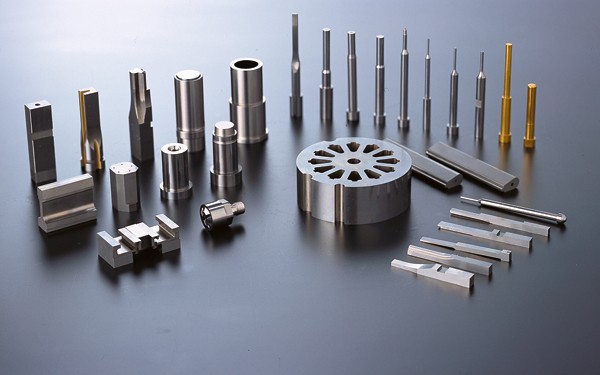
There are two types of geometric angles of cutting tools in precision part machining: one is to treat the tool as a geometric entity, used to determine the angle of the cutting edge and tool surface relative to the geometric position of the tool positioning reference during manufacturing, edge grinding, and measurement, which is marked on the tool working diagram. This type of angle is called the static angle or marked angle of the tool;
The other type is used to determine the geometric angle of the cutting edge and tool surface relative to the tool during the cutting process, which is the actual geometric angle during the tool's operation. This type of angle is called the tool's working angle.
In order to define the working angle of the tool, a reference system consisting of two corresponding sets of planes must be established for the tool in precision part machining. One set is a static reference system that defines the static angle of the tool, and the other set is a working reference system that defines the working angle of the tool. Its constituent planes need to be defined based on the direction of the synthetic cutting force and feed motion during the actual cutting process.
When establishing a static reference system, it is necessary to first assume that the tool is in a certain working state, and specify the assumed main motion direction of the tool and the assumed feed motion direction perpendicular to the milling cutter axis. The application of tool static angle and static reference is relatively common, while the dynamic geometric angle of the tool is relatively complex.
What are the selection principles for Dongguan turning and milling composite processing process standards
The role of positioning operation specifications in precision parts processing
Related Article

Let us go over the foundations of the electroplating procedure. Electroplating involves several phases, and from pre-treatment to post-treatment there are several really significant ones.
The basic principle of surface treatment of precision parts in CNC machining

Audio panels, electronic cigarette shells, nameplateLOG, watch shells, etc. are among the CNC processing of high surface texture needs components.
CNC machining aluminum alloy parts high-quality surface texture process explained in detail

Metallic finishing, sometimes known as metallic finishing, is the process of using several techniques to change the surface of an object in order to improve appearance and performance, such as corrosion resistance, discoloration resistance, chemical resistance, abrasion resistance, and hardness, modify electrical conductivity, remove burrs, or apply a specific color to a machined part.
Metal CNC finishing surface treatment process and its working principle
