
3D printers with rapid prototyping
3D printers with rapid prototyping
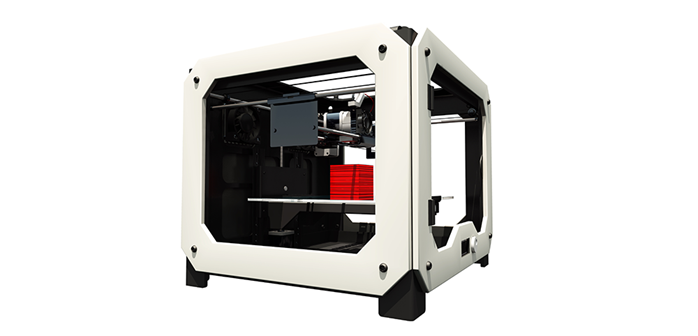
Rapid prototyping is one method of developing prototypes. In the process of product development, we generally use prototypes to verify the performance of the designed product and identify problems. As a result, the demand for rapid prototyping is increasing, and the method of rapid prototyping development can complete the development of prototypes in a short period of time. This section introduces the outline, advantages, and types of rapid prototyping using 3D printers.
What is Rapid Prototyping with a 3D Printer? It is possible to produce prototypes in a short time
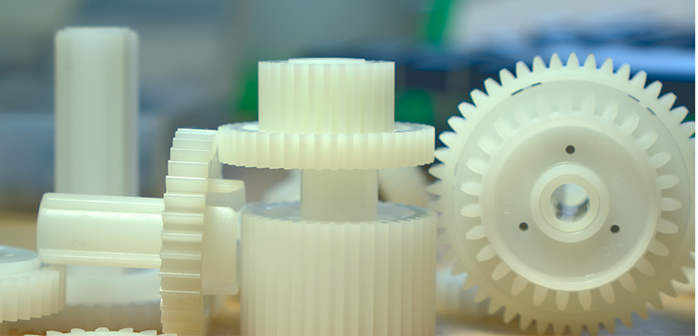
Rapid prototyping (RP), also known as rapid prototyping, is a rapid (fast) and molding (prototype) as the name suggests, and it completes prototypes in a short time through various methods. Traditionally, prototypes are usually made by craftsmen using clay or wood. However, this method is time-consuming and costly. In addition, in recent years, the development cycle of products has become shorter and shorter. At the same time, there is an increasing demand for prototypes to be completed in a short period of time. Originally, rapid prototyping was a method of simply reproducing the shape of a product. However, with the development of technology, we can improve manufacturing accuracy, apply a variety of materials, and even use rapid prototyping to make prototypes that can be used to evaluate performance and functionality. In the past, rapid prototyping required ultra-large equipment, but in recent years, with the spread of 3D printers, it has become possible to achieve rapid prototyping in small size and at a low cost.
Types of rapid prototyping using 3D printers

3D printers for rapid prototyping create slice data, slice the 3D design data into multiple sections, and then stack materials to render the desired shape based on this data. This is called the lamination method. The following is a typical example of the additive molding method. Originally, rapid prototyping was a method of simply reproducing the shape of a product. However, with the development of technology, we can improve manufacturing accuracy, apply a variety of materials, and even use rapid prototyping to make prototypes that can be used to evaluate performance and functionality. In the past, rapid prototyping required ultra-large equipment, but in recent years, with the spread of 3D printers, it has become possible to achieve rapid prototyping in small size and at a low cost.
- Laser modeling: Laser modeling is a method of molding using a resin that hardens when exposed to a laser. A UV laser is irradiated on a liquid resin to form a cross-sectional shape of the desired part, hardened layer by layer. It is characterized by high accuracy and the ability to restore details in a short time, but the materials that can be used are limited and the equipment is relatively expensive.
- Melt Lamination (FDM): The fused lamination method uses thermoplastic resins that melt when heated, and then the molten resins are molded and stacked on top of each other. When the actual product is a thermoplastic resin, the same material can be used, so that the prototype can not only have the same shape, but also have similar strength to the actual product, making it possible to conduct more accurate tests. However, the dimensional accuracy of this method is often lower than that of other methods.
- Powder method: The powder method is a method in which a laser light is irradiated on a powdered material, causing it to melt and complete the shape. This method is not only suitable for resins, but also for some metals such as copper and titanium, and is relatively widely used.
Advantages and disadvantages of using 3D printers for rapid prototyping

Using a 3D printer for rapid prototyping has the following advantages and disadvantages.
- Advantage – Shortened design and function evaluation time: We need to evaluate the design and functionality of the designed product through prototypes. Since it takes a certain amount of time to make a prototype, this time is a waiting time, and the design work cannot be continued. However, in the case of rapid prototyping, it is possible to produce a product with the same shape and properties as the prototype in just one day. This shortens the waiting time for prototypes, making the evaluation smoother.
- Disadvantage – Limited materials and processing methods: Rapid prototyping is limited in the materials and molding methods it can support. When using rapid prototyping for performance evaluation, it is important to take into account the differences between materials and processes and the actual product. If you can choose the same material and molding method as the finished product, it will have little impact on the performance evaluation and have a great advantage.
This article describes the features, types, and pros and cons of using 3D printers for rapid prototyping. Rapid prototyping is an effective method of prototyping that can shorten the product development cycle. Although the materials and processing methods are limited, it is possible to produce prototypes in as little as one day. Since there are many different molding methods for 3D printers, such as laser molding and powder methods, it is possible to select the appropriate material and molding method according to the application of the prototype.
Aluminium processing: Concluding guidelines
What is a fixture? What are the types?
Related Article


