
What is Sand Casting
2025-05-29
What is Sand Casting: Unveiling the Ancient Art of Metal Forming
Introduction
In the vast realm of manufacturing, sand casting stands as a cornerstone, a time - tested method with a rich history and far - reaching applications. Whether you're a seasoned engineer, a manufacturing enthusiast, or simply curious about how complex metal parts are made, understanding sand casting is essential. This blog post will delve deep into the world of sand casting, answering the fundamental question: What is sand casting?
Defining Sand Casting: The Basics
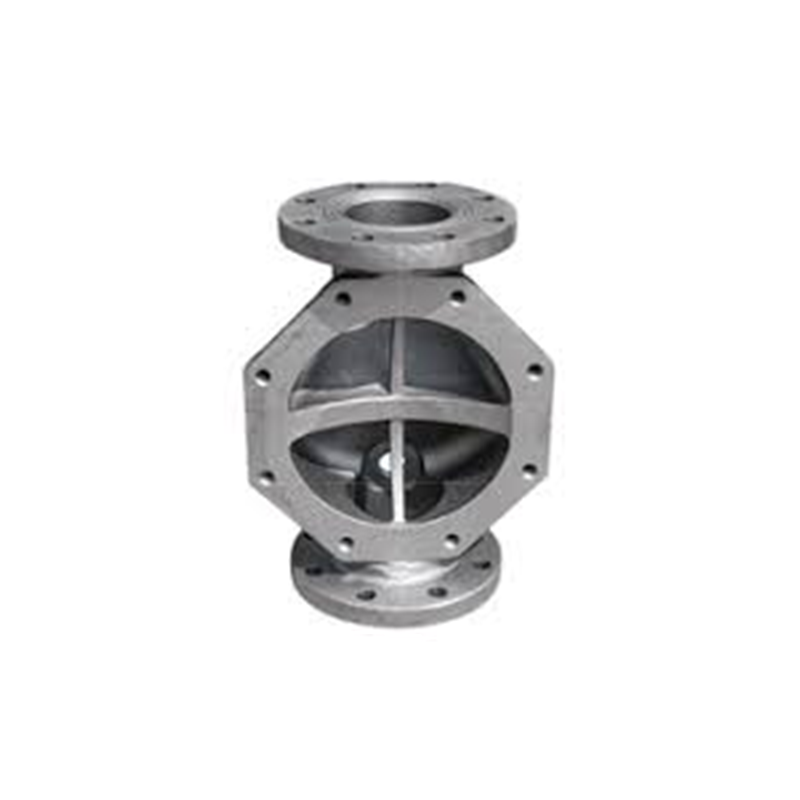
At its core, sand casting is a metal casting process that uses sand as the mold material. It is one of the oldest and most widely used casting methods, dating back thousands of years. The basic principle is simple yet ingenious: a pattern, which is a replica of the desired final part, is used to create an impression in a sand mold. Molten metal is then poured into this mold cavity. Once the metal cools and solidifies, the sand mold is broken away to reveal the finished casting.
Sand casting offers a high degree of flexibility, allowing for the production of parts in a wide range of sizes, shapes, and materials. It can be used to create everything from small, intricate components to large, heavy - duty industrial parts. The process is particularly well - suited for producing parts with complex geometries that would be difficult or impossible to manufacture using other methods.
The Components of a Sand Casting Setup
- Pattern: The pattern is a crucial element in sand casting. It can be made from various materials such as wood, metal, plastic, or wax. The pattern must accurately represent the shape and dimensions of the final casting, including any holes, slots, or other features. Patterns can be single - piece or multi - piece, depending on the complexity of the part.
- Sand Mold: The sand mold is formed by packing sand around the pattern. Specialized sand mixtures, often containing silica sand, clay, and water, are used. The clay acts as a binder, giving the sand the necessary strength and stability to hold its shape during the casting process. The sand mold is typically made in two halves, known as the cope and the drag, which are separated after the pattern is removed to create the cavity for the molten metal.
- Gating System: The gating system consists of channels and runners that direct the molten metal into the mold cavity. It plays a vital role in ensuring a smooth and even flow of metal, preventing air bubbles and other defects. The gating system also helps in controlling the solidification process of the metal.
- Riser: Risers are additional cavities in the mold that are filled with molten metal. Their purpose is to supply additional metal to the casting as it shrinks during solidification. This helps to prevent voids and porosity in the final casting, ensuring a dense and defect - free part.

The Sand Casting Process: Step by Step
Pattern Preparation
The first step in the sand casting process is creating or obtaining the pattern. The pattern is carefully designed and manufactured to match the specifications of the final part. It may require machining, carving, or 3D printing, depending on the material and complexity. Once the pattern is ready, it is often coated with a release agent to prevent the sand from sticking to it during the mold - making process.
Mold Making
- Mold Box Assembly: The pattern is placed inside a mold box, which is usually made of metal or wood. The mold box provides a structure for packing the sand around the pattern.
- Sand Packing: The sand mixture is packed tightly around the pattern in the mold box. This is typically done in two stages. First, the drag half of the mold is filled with sand and compacted using a mechanical or pneumatic device. Then, the cope half is placed on top of the drag, and more sand is added and compacted.
- Pattern Removal: After the sand is packed, the pattern is carefully removed from the mold. In some cases, the pattern may be designed to be collapsible or made of a soluble material that can be dissolved away. This leaves behind a cavity in the sand mold that is an exact replica of the pattern.
- Core Insertion (if required): For parts with internal cavities or complex geometries, cores may be used. Cores are pre - formed sand shapes that are inserted into the mold cavity to create the desired internal features. They are held in place using core prints, which are projections on the pattern that create spaces in the mold for the cores.
Pouring the Metal
Once the mold is complete, the molten metal is prepared. Different metals, such as aluminum, iron, steel, and copper alloys, can be used in sand casting. The metal is heated to its melting point in a furnace and then poured into the mold cavity through the gating system. Care must be taken to control the pouring speed and temperature to ensure a proper fill and minimize the formation of defects.
Solidification and Cooling
After the metal is poured, it begins to cool and solidify. The rate of cooling can have a significant impact on the properties of the final casting. Slower cooling rates generally result in larger grain structures, while faster cooling can lead to finer grains and increased strength. Once the metal has completely solidified, the mold is allowed to cool further before it is broken apart to remove the casting.
Finishing
The final step in the sand casting process is finishing the casting. This may involve removing the gating system and risers, which are typically cut or broken off. The surface of the casting may be cleaned, sandblasted, or machined to achieve the desired surface finish and dimensional accuracy. Heat treatment may also be applied to improve the mechanical properties of the casting, such as its strength, hardness, and ductility.
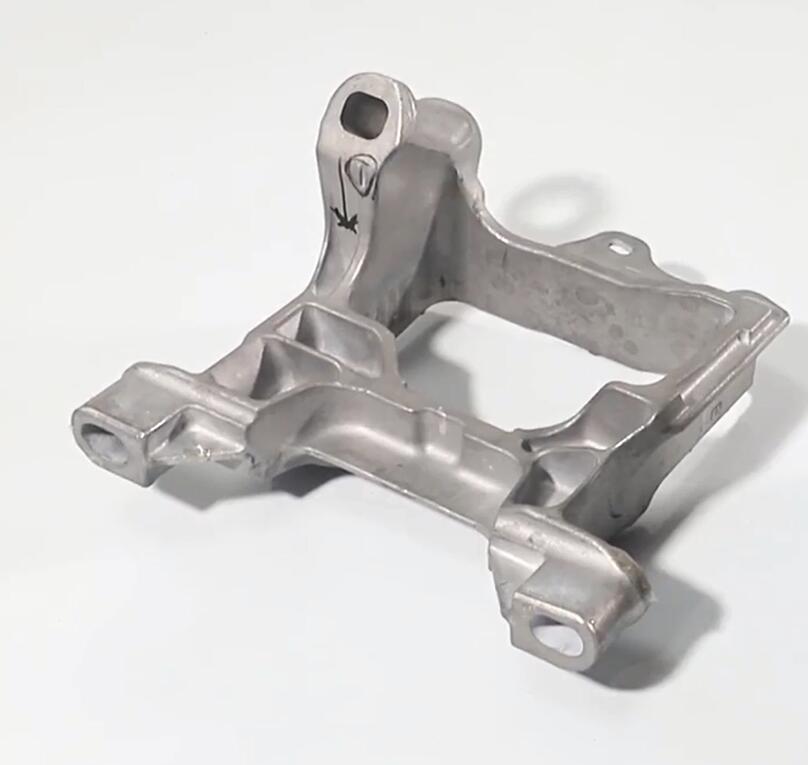
Advantages of Sand Casting
Cost - Effectiveness
Sand casting is relatively inexpensive compared to many other manufacturing processes, especially for low - to - medium production volumes. The cost of the sand mold is much lower than that of permanent molds used in processes like die casting. Additionally, the flexibility of sand casting means that tooling costs can be minimized, as patterns can be easily modified or replaced for different part designs.
Design Flexibility
One of the greatest advantages of sand casting is its ability to produce parts with complex geometries. Intricate shapes, internal cavities, and detailed features can be easily incorporated into the casting design. This makes it suitable for a wide variety of applications, from artistic sculptures to highly specialized industrial components. Design changes can also be made relatively easily during the development process, as the pattern can be adjusted without significant additional cost.
Material Versatility
Sand casting can be used with a wide range of metals and alloys. This includes common metals like aluminum, iron, and steel, as well as more specialized alloys with unique properties. Whether you need a lightweight aluminum part for an aerospace application or a high - strength steel component for heavy machinery, sand casting can be adapted to meet the material requirements.
Production Scale Adaptability
Sand casting can be used for both small - batch production and large - scale manufacturing. For small - scale production, it offers a cost - effective way to produce custom parts. For mass production, the process can be automated to increase efficiency and reduce labor costs. This makes it a versatile choice for manufacturers across different industries and production volumes.
Limitations of Sand Casting
Surface Finish and Dimensional Accuracy
Compared to some other casting methods, sand casting typically results in a rougher surface finish. The texture of the sand used in the mold can leave an impression on the surface of the casting. Additionally, achieving high levels of dimensional accuracy can be challenging, especially for parts with tight tolerances. This often requires additional machining operations to bring the part to the required specifications.
Production Speed
Sand casting is generally a slower process compared to methods like die casting. The time - consuming nature of mold making, pouring, and cooling limits the production rate. For high - volume production, this can be a significant drawback, as it may not be able to meet the demand as quickly as more automated processes.
Sand Disposal
The use of sand in the casting process generates a significant amount of waste sand. Proper disposal of this waste sand can be an environmental concern, as it may contain binders and other additives. Although efforts are being made to recycle and reuse the sand, it still poses challenges for manufacturers in terms of waste management.
Applications of Sand Casting
Automotive Industry
In the automotive industry, sand casting is widely used for producing engine blocks, cylinder heads, transmission cases, and other large, complex components. The ability to create parts with intricate internal passages for coolant and oil flow, as well as the need for high - strength materials, makes sand casting an ideal choice. It also allows for cost - effective production of custom or low - volume parts for specialty vehicles.
Aerospace Industry
The aerospace sector relies on sand casting for manufacturing components such as wing structures, landing gear parts, and engine components. The material versatility of sand casting enables the use of high - performance alloys that can withstand the extreme conditions of flight. Although aerospace parts often require high precision, the design flexibility of sand casting allows for the creation of lightweight yet strong structures.
Machinery and Equipment Manufacturing
For heavy machinery and equipment, sand casting is used to produce large - scale components like gears, crankshafts, and machine frames. These parts need to be strong and durable to withstand heavy loads and continuous operation. Sand casting can produce parts of various sizes and shapes, meeting the diverse requirements of the machinery manufacturing industry.
Art and Sculpture
Sand casting has a long - standing tradition in the art world. Artists use it to create unique sculptures and art pieces. The ability to produce complex and detailed forms, combined with the wide range of metals that can be used, allows for a high degree of creative expression. Sand - cast artworks can range from small, delicate figurines to large - scale public sculptures.
Conclusion
Sand casting is a remarkable manufacturing process with a long history and a bright future. Its combination of cost - effectiveness, design flexibility, material versatility, and adaptability to different production scales makes it an indispensable part of modern manufacturing. While it has its limitations, ongoing technological advancements are continuously improving the process, addressing issues such as surface finish and production speed. Whether you're involved in the automotive, aerospace, machinery, or art industry, understanding sand casting is key to appreciating the art and science behind metal forming.
How to Make Casting Sand
What is Precision Casting
Related Article

Gears are the backbone of mechanical transmission systems, converting rotational motion and torque between shafts to power everything from household appliances to industrial machinery.
What are the 4 types of gears

CNC machines (Computer Numerical Control machines) have transformed manufacturing by delivering unmatched precision, repeatability, and efficiency across material types—from metals to plastics and composites.
Which Industries Mostly Use CNC Machines

CNC machining is celebrated for its precision and versatility in shaping metals, plastics, and composites—but its subtractive nature (removing material from a solid workpiece to create parts) raises a critical question: “Is CNC machining wasteful?” At first glance, the piles of metal shavings, plastic chips, and scrapped parts from CNC operations might suggest yes.
Is CNC machining wasteful
