
What is Precision Casting
2025-05-28
What is Precision Casting: Unveiling the Art and Science of Metal Formation
In the world of manufacturing, precision casting stands as a remarkable and highly specialized process, revolutionizing the way intricate metal components are produced. This blog post will delve deep into the realm of precision casting, exploring its definition, key characteristics, and how it compares with other casting methods such as sand casting and lost foam casting. Additionally, we will take a closer look at casting parts, the end products of these casting processes.
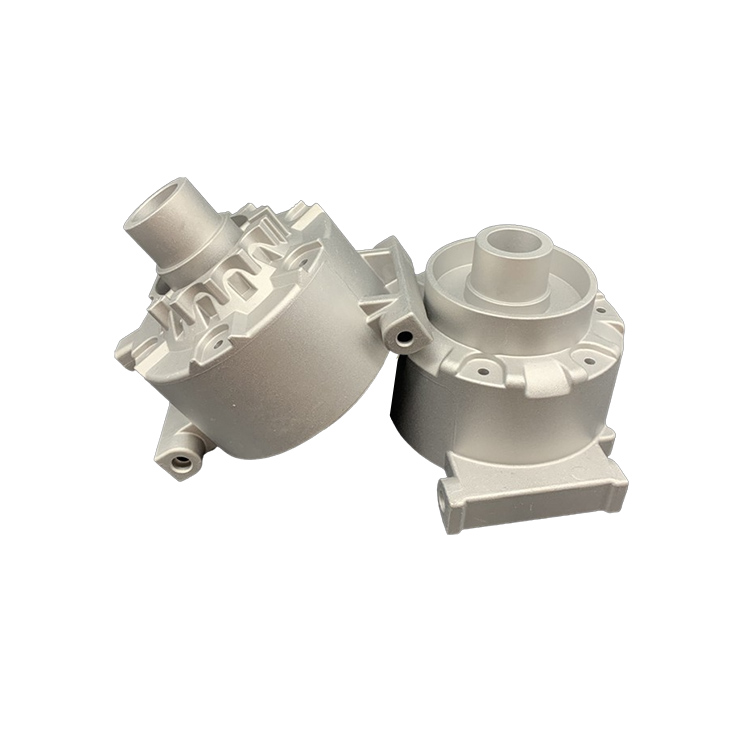
Understanding Precision Casting
Definition and Core Concepts
Precision casting, also known as investment casting, is a manufacturing process used to create complex metal parts with high accuracy and intricate details. At its core, precision casting involves creating a wax pattern of the desired part, coating it with a refractory ceramic shell, melting out the wax to leave a cavity, and then pouring molten metal into that cavity. Once the metal solidifies, the ceramic shell is broken away, revealing the finished metal casting.
The beauty of precision casting lies in its ability to produce components with exceptional dimensional accuracy, smooth surface finishes, and the capacity to incorporate fine features and internal geometries that might be difficult or impossible to achieve through other manufacturing techniques. This makes it ideal for a wide range of industries, from aerospace and automotive to medical and jewelry.
The Precision Casting Process
The precision casting process typically consists of several key steps. First, a wax pattern is created using injection molding techniques. This wax pattern is an exact replica of the final metal part, down to the smallest detail. Multiple wax patterns are then attached to a sprue, forming a cluster known as a “tree.”
Next, the wax tree is dipped into a ceramic slurry and then coated with a stucco material. This process is repeated several times to build up a thick, durable ceramic shell around the wax patterns. Once the ceramic shell has dried and hardened, the wax is melted out, usually by heating the shell in an autoclave. This leaves behind a cavity in the shape of the desired metal part.
Molten metal is then poured into the cavity. After the metal has cooled and solidified, the ceramic shell is removed, often by mechanical or chemical means. The individual cast parts are then separated from the sprue, and any finishing operations, such as machining, polishing, or heat treatment, are performed to meet the required specifications.
Casting Parts: The End Products of Precision Casting
Characteristics and Applications
Casting parts produced through precision casting exhibit several notable characteristics. As mentioned earlier, they offer high dimensional accuracy, often within tight tolerances. This precision is crucial in industries like aerospace, where components must fit together perfectly to ensure the safety and performance of aircraft.
The surface finish of precision-cast parts is also superior. The smooth surfaces reduce the need for extensive post-casting machining, saving both time and cost. Moreover, precision casting can produce parts with complex geometries, including thin walls, internal passages, and undercuts. This versatility allows for the creation of innovative designs that can enhance the functionality of the final product.
In the automotive industry, precision-cast parts are used for engine components, transmission parts, and suspension systems. In the medical field, they are employed to make surgical instruments, orthopedic implants, and dental prosthetics. The jewelry industry also benefits from precision casting, enabling the production of intricate and detailed pieces.
Quality Control and Inspection
Ensuring the quality of casting parts is of utmost importance in precision casting. Rigorous quality control measures are implemented throughout the manufacturing process. Non-destructive testing methods, such as X-ray inspection, ultrasonic testing, and dye penetrant inspection, are used to detect internal and surface defects in the cast parts. Dimensional inspections are also carried out using coordinate measuring machines (CMMs) to verify that the parts meet the specified design requirements.
Comparing Precision Casting with Other Casting Methods
Sand Casting
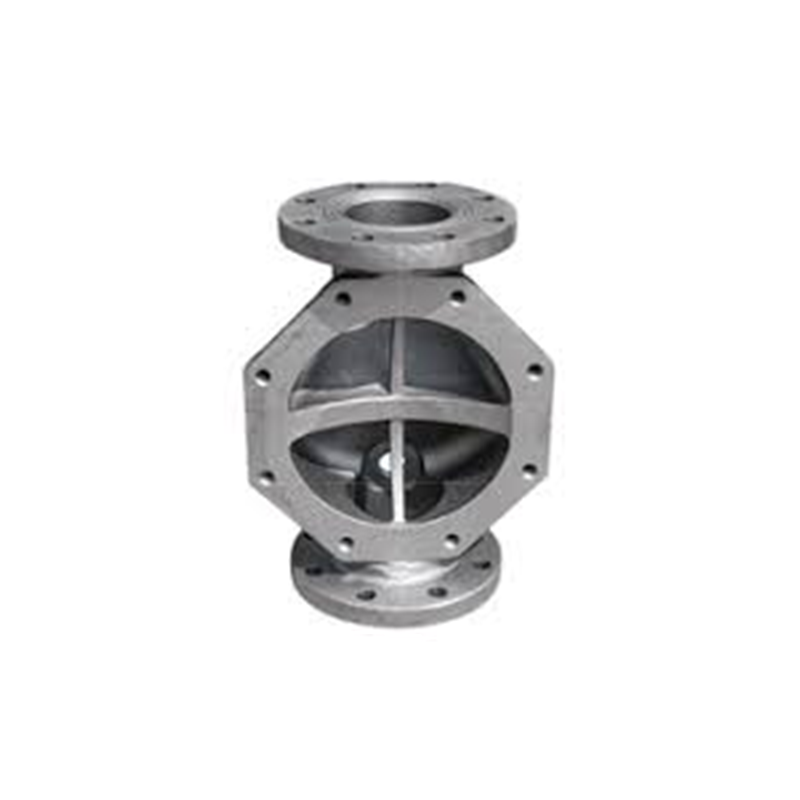
Sand casting is one of the oldest and most widely used casting methods. In sand casting, a mold is created by packing sand around a pattern. The pattern is then removed, leaving a cavity into which molten metal is poured. Once the metal solidifies, the sand mold is broken apart to retrieve the cast part.
One of the main differences between precision casting and sand casting is the level of precision and surface finish. Sand-cast parts generally have a rougher surface finish and less dimensional accuracy compared to precision-cast parts. Sand casting is better suited for larger parts and lower production volumes, as the tooling costs for sand molds are relatively low. However, it is limited in its ability to produce complex geometries.
Another significant difference lies in the materials used. Sand casting can be used with a wide variety of metals, but the process may introduce impurities and porosity into the castings. Precision casting, on the other hand, allows for greater control over the metal composition and can produce parts with a higher level of purity.
Lost Foam Casting
Lost foam casting is a process in which a foam pattern is coated with a refractory material and then surrounded by sand. Molten metal is poured into the mold, and the foam pattern vaporizes upon contact with the hot metal, leaving behind a cavity that is filled with the metal.
Similar to precision casting, lost foam casting can produce parts with complex geometries. However, the surface finish of lost foam castings is usually not as good as that of precision castings. Lost foam casting is often used for producing large parts and is more cost-effective for medium to high production volumes. It also has the advantage of reducing the need for core sand and can minimize the occurrence of casting defects such as porosity.
In contrast, precision casting is more suitable for producing small to medium-sized parts with extremely high precision and detailed features. The investment in tooling and the production process for precision casting are generally higher, but it offers unparalleled quality and the ability to create highly complex and accurate components.
In conclusion, precision casting is a sophisticated and highly effective manufacturing process that offers numerous advantages for the production of high-quality casting parts. While it has its own unique characteristics and cost considerations, it stands out as the preferred choice for applications where precision, surface finish, and complex geometries are critical. Understanding the differences between precision casting, sand casting, and lost foam casting allows manufacturers to make informed decisions based on their specific production requirements, ensuring the creation of the best possible products.
What is Sand Casting
What is CNC Turning
Related Article

Gears are the backbone of mechanical transmission systems, converting rotational motion and torque between shafts to power everything from household appliances to industrial machinery.
What are the 4 types of gears

CNC machines (Computer Numerical Control machines) have transformed manufacturing by delivering unmatched precision, repeatability, and efficiency across material types—from metals to plastics and composites.
Which Industries Mostly Use CNC Machines

CNC machining is celebrated for its precision and versatility in shaping metals, plastics, and composites—but its subtractive nature (removing material from a solid workpiece to create parts) raises a critical question: “Is CNC machining wasteful?” At first glance, the piles of metal shavings, plastic chips, and scrapped parts from CNC operations might suggest yes.
Is CNC machining wasteful
