
What is CNC Turning
2025-06-03
What is CNC Turning: Unveiling the Precision Manufacturing Process
In the realm of modern manufacturing, precision and efficiency are the cornerstones of success. Among the various advanced machining techniques, CNC turning stands out as a pivotal process that has revolutionized the way we create complex and accurate components. In this blog post, we will delve deep into the world of CNC turning, exploring its fundamental concepts, working principles, key components, applications, advantages, and challenges.
Understanding the Basics of CNC Turning
Defining CNC Turning
CNC turning, short for Computer Numerical Control turning, is a subtractive manufacturing process. It involves the use of computer-controlled machine tools, specifically lathes, to remove material from a rotating workpiece to create a desired shape. Unlike traditional manual turning, where an operator controls the cutting tools by hand, CNC turning automates the entire process based on pre-programmed instructions. These instructions are typically written in a standardized programming language such as G-code, which precisely dictates the movement of the cutting tools, the speed of the workpiece rotation, and the depth of the cuts.
The Historical Evolution of Turning
To truly appreciate the significance of CNC turning, it's essential to look back at the history of turning. Turning, as a machining process, dates back thousands of years. Early lathes were simple devices powered by foot treadles or bows, where the operator would use hand tools to shape the workpiece. Over time, with the advent of steam power and later electric motors, lathes became more sophisticated, allowing for higher speeds and greater accuracy. However, it was the introduction of computer control in the mid-20th century that marked a paradigm shift in turning technology. The development of CNC systems enabled manufacturers to achieve levels of precision and repeatability that were previously unattainable, opening up new possibilities for complex part production across various industries.
The Working Principles of CNC Turning
How CNC Turning Machines Operate
CNC turning machines operate on a relatively straightforward yet highly precise principle. At the heart of the process is the lathe, which holds the workpiece and rotates it at a controlled speed. The cutting tools, which are mounted on a tool turret or a tool post, are then moved along multiple axes (usually the X, Y, and Z axes) to remove material from the rotating workpiece. The movement of the cutting tools is guided by the CNC controller, which reads the G-code program and translates it into electrical signals. These signals are then sent to servo motors that drive the linear and rotational movements of the machine's components, ensuring that the cutting tools follow the exact path specified in the program.
Key Components of a CNC Turning Machine
- Lathe Bed: The lathe bed serves as the foundation of the CNC turning machine, providing a stable and rigid structure to support all other components. It is typically made of high-quality cast iron or steel to minimize vibrations during the machining process.
- Headstock: The headstock is located at one end of the lathe bed and houses the spindle, which holds the workpiece. It contains the motor that drives the spindle rotation and a gearbox that allows for different speed settings.
- Tailstock: The tailstock, situated at the opposite end of the headstock, provides additional support to the workpiece, especially for long or slender parts. It can be moved along the lathe bed and has a quill that can be extended or retracted to hold various types of centers or drill chucks.
- Tool Turret or Tool Post: This component holds the cutting tools and allows for their quick and easy changeover. Tool turrets can be either manual or automatic, with automatic turrets being more common in modern CNC turning machines. They can hold multiple tools, enabling the machine to perform different operations such as facing, turning, threading, and grooving without the need for manual tool changes.
- CNC Controller: The CNC controller is the brain of the CNC turning machine. It receives the G-code program, processes the instructions, and sends signals to the servo motors to control the movement of the cutting tools and the spindle. Modern CNC controllers also offer advanced features such as tool path simulation, error detection, and compensation, and real-time monitoring of the machining process.
Applications of CNC Turning
Industries Benefiting from CNC Turning
CNC turning is widely used across a diverse range of industries due to its ability to produce high-precision components with complex geometries.
- Aerospace Industry: In the aerospace sector, where components need to be lightweight yet incredibly strong and precise, CNC turning plays a crucial role. It is used to manufacture parts such as engine shafts, turbine blades, landing gear components, and various structural parts. The high level of accuracy and repeatability offered by CNC turning ensures that these components meet the strict quality and performance standards required for aircraft and spacecraft.
- Automotive Industry: The automotive industry relies on CNC turning for the production of numerous parts, including engine components (such as crankshafts, camshafts, and connecting rods), transmission parts, and steering components. CNC turning allows for the mass production of these parts with consistent quality, reducing production costs and improving overall vehicle performance.
- Medical Device Manufacturing: In the medical field, where precision and biocompatibility are of utmost importance, CNC turning is used to create components for surgical instruments, implants, and diagnostic equipment. The ability to produce parts with tight tolerances ensures a perfect fit and function, enhancing patient safety and the effectiveness of medical treatments.
- Electronics Industry: CNC turning is employed in the electronics industry to manufacture components such as heat sinks, connectors, and housings. The precision of the process enables the creation of small, intricate parts that are essential for the proper functioning of electronic devices.
Types of Parts Produced by CNC Turning
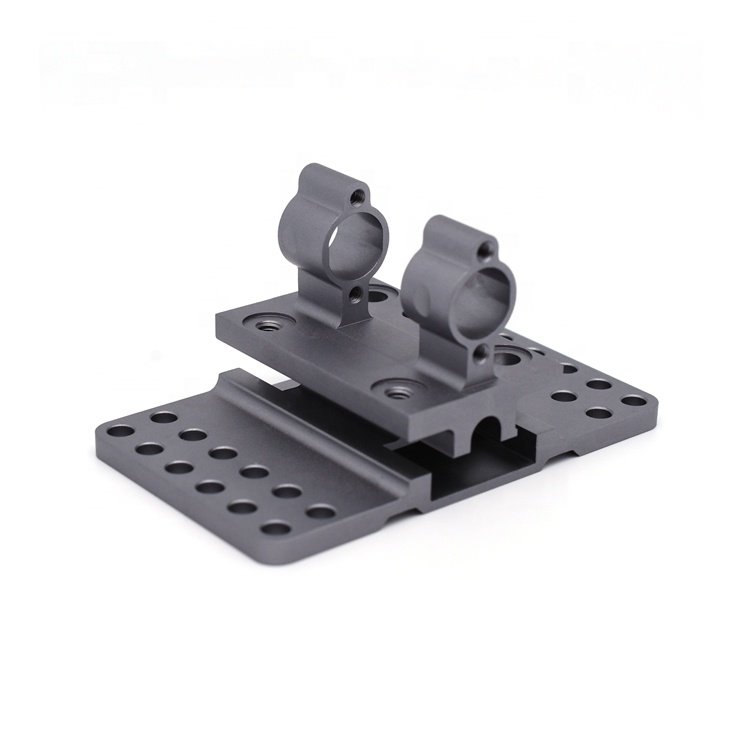
CNC turning can produce a wide variety of parts, ranging from simple cylindrical shapes to highly complex components with multiple features. Some common types of parts include:
- Shafts and Axles: These are cylindrical parts that are used to transmit power or support rotating components. CNC turning can create shafts and axles with precise diameters, lengths, and surface finishes, as well as add features such as keyways, threads, and tapers.
- Bushings and Sleeves: Bushings and sleeves are typically used to reduce friction, provide support, or act as a bearing surface. CNC turning allows for the production of these parts with tight internal and external diameters, ensuring a proper fit in their respective assemblies.
- Threaded Components: Threads are an essential feature in many mechanical assemblies, and CNC turning can produce both internal and external threads with high accuracy. This includes parts such as bolts, nuts, screws, and threaded rods.
- Complex Contoured Parts: With the advanced capabilities of modern CNC turning machines, it is possible to produce parts with complex contoured surfaces. These parts may have irregular shapes, multiple radii, or sculpted profiles, which are achieved through the precise control of the cutting tool's movement along multiple axes.
Advantages of CNC Turning
Precision and Accuracy
One of the most significant advantages of CNC turning is its ability to achieve extremely high levels of precision and accuracy. The computer control system ensures that each cut is made with exacting precision, resulting in parts that meet tight tolerances. This level of accuracy is crucial in industries where even the slightest deviation can have a significant impact on the performance and functionality of the final product. For example, in aerospace and medical applications, parts need to be manufactured within very narrow tolerance ranges to ensure proper fit, function, and safety.
Repeatability
CNC turning offers excellent repeatability, meaning that the same part can be produced over and over again with consistent quality. Once the G-code program is developed and optimized, the CNC machine will execute the same machining operations in the same way every time, eliminating variations caused by human error. This repeatability is essential for mass production, as it allows manufacturers to produce large quantities of parts with identical specifications, reducing the need for extensive inspection and rework.
Efficiency and Productivity
Compared to traditional manual turning, CNC turning is much more efficient and productive. The automated nature of the process reduces the need for manual labor, as the machine can operate continuously with minimal operator intervention. Additionally, CNC turning machines can perform multiple operations in a single setup, such as turning, facing, threading, and grooving, without the need for manual tool changes or part repositioning. This reduces the overall machining time and increases the throughput of the manufacturing process.
Flexibility
CNC turning offers a high degree of flexibility in terms of the types of parts that can be produced and the materials that can be machined. By simply changing the G-code program, the machine can be quickly reconfigured to produce different parts with varying geometries and specifications. Moreover, CNC turning machines can handle a wide range of materials, including metals (such as aluminum, steel, brass, and titanium), plastics, and composites, making them suitable for diverse manufacturing applications.
Challenges and Limitations of CNC Turning
Initial Investment
One of the main challenges associated with CNC turning is the high initial investment required. CNC turning machines, especially those with advanced features and capabilities, can be quite expensive to purchase. Additionally, the cost of software for programming the machine, as well as the need for trained operators and maintenance personnel, adds to the overall investment. This can be a significant barrier for small and medium-sized businesses that may not have the financial resources to invest in this technology.
Programming Complexity
While CNC turning offers great flexibility, programming the machines can be a complex and time-consuming task. Writing accurate G-code programs requires a good understanding of machining principles, mathematics, and the specific capabilities of the CNC machine. Moreover, programming complex parts with multiple features and contours can be particularly challenging and may require the use of advanced CAD/CAM (Computer-Aided Design/Computer-Aided Manufacturing) software. This means that manufacturers need to invest in training their employees or hire skilled programmers, which can add to the overall cost and complexity of the manufacturing process.
Tool Wear and Maintenance
The cutting tools used in CNC turning are subject to wear and tear during the machining process. As the tools wear, the quality of the machined parts may deteriorate, and the tool may need to be replaced. Monitoring tool wear and performing regular maintenance, such as tool sharpening or replacement, is essential to ensure consistent part quality and prevent costly machine breakdowns. However, this adds to the operational costs and requires careful management of the tool inventory.
In conclusion, CNC turning is a highly sophisticated and versatile manufacturing process that has transformed the way we produce precision components. With its numerous advantages in terms of precision, repeatability, efficiency, and flexibility, it has become an indispensable technology in a wide range of industries. While it does come with its own set of challenges and limitations, the benefits it offers far outweigh the drawbacks for many manufacturers. As technology continues to advance, we can expect CNC turning to become even more precise, efficient, and accessible, further driving innovation and growth in the manufacturing sector.
How to Use G41 and G42 in CNC Turning
How to Make a Sand Casting Mould
Related Article

Gears are the backbone of mechanical transmission systems, converting rotational motion and torque between shafts to power everything from household appliances to industrial machinery.
What are the 4 types of gears

CNC machines (Computer Numerical Control machines) have transformed manufacturing by delivering unmatched precision, repeatability, and efficiency across material types—from metals to plastics and composites.
Which Industries Mostly Use CNC Machines

CNC machining is celebrated for its precision and versatility in shaping metals, plastics, and composites—but its subtractive nature (removing material from a solid workpiece to create parts) raises a critical question: “Is CNC machining wasteful?” At first glance, the piles of metal shavings, plastic chips, and scrapped parts from CNC operations might suggest yes.
Is CNC machining wasteful
