
What is CNC Turning
2025-05-27
What is CNC Turning? A Comprehensive Guide
In the realm of modern manufacturing, CNC turning stands out as a crucial process. Whether you're a seasoned engineer, a manufacturing enthusiast, or someone curious about the intricacies of industrial production, understanding what CNC turning is can offer valuable insights into how countless components are brought to life.
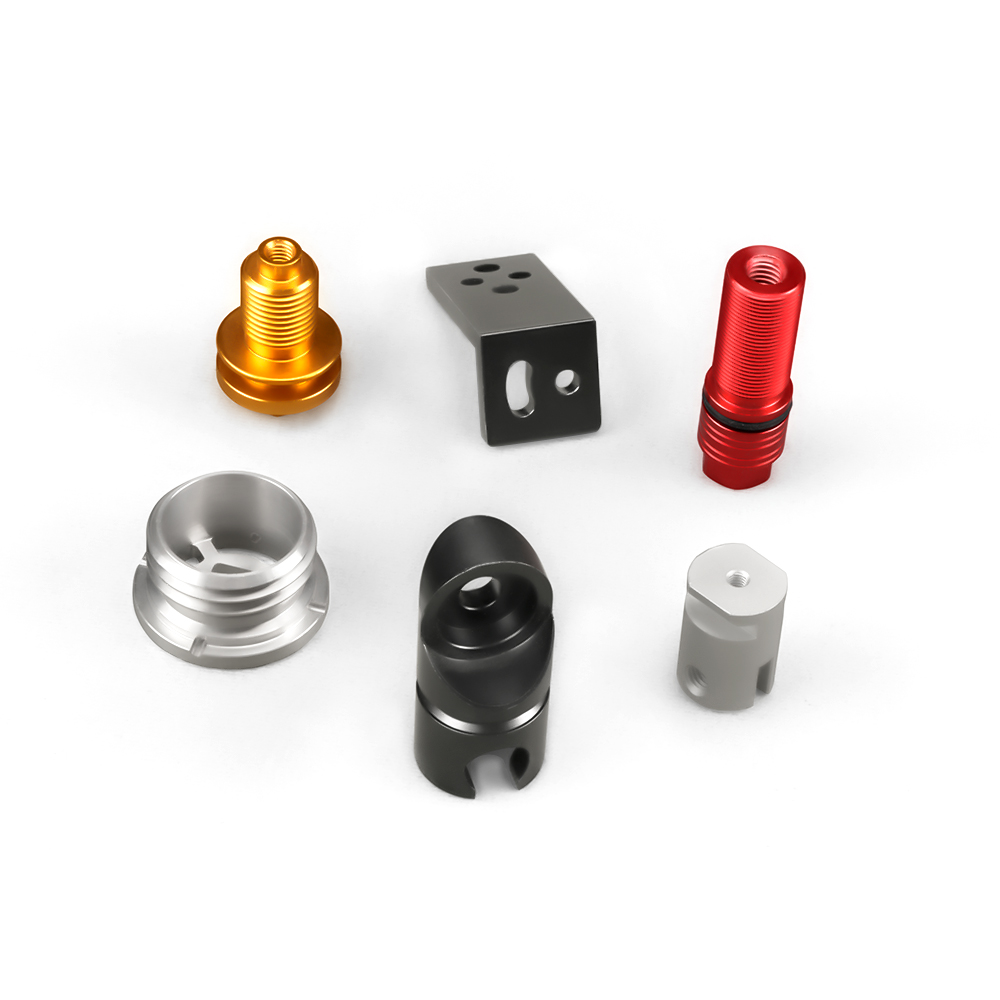
Defining CNC Turning
CNC, which stands for Computer Numerical Control, has revolutionized the manufacturing industry. CNC turning is a machining process that involves using a computer-controlled lathe to shape a workpiece. The lathe holds the workpiece in place and rotates it at high speeds while a cutting tool removes material, gradually creating the desired shape. This process is highly precise and can produce a wide range of components, from simple cylindrical parts to complex geometries with tight tolerances.
How CNC Turning Works
At the heart of CNC turning is the CNC lathe. The process begins with the operator programming the CNC machine. The program contains detailed instructions about the dimensions, shape, and features of the final component. These instructions are typically written in a specialized programming language, such as G-code. Once the program is loaded into the machine's control system, the workpiece is securely mounted on the lathe's chuck or collet, which rotates the workpiece.
The cutting tool, which is held in a tool turret, then moves along various axes (usually the X and Z axes in a basic turning setup) to remove material from the rotating workpiece. The computer control system precisely coordinates the movement of the cutting tool, ensuring that the cuts are made accurately according to the programmed specifications. As the cutting tool removes material layer by layer, the desired shape of the component starts to take form. Advanced CNC lathes can also perform multiple operations in a single setup, such as drilling, threading, and facing, enhancing efficiency and reducing production time.
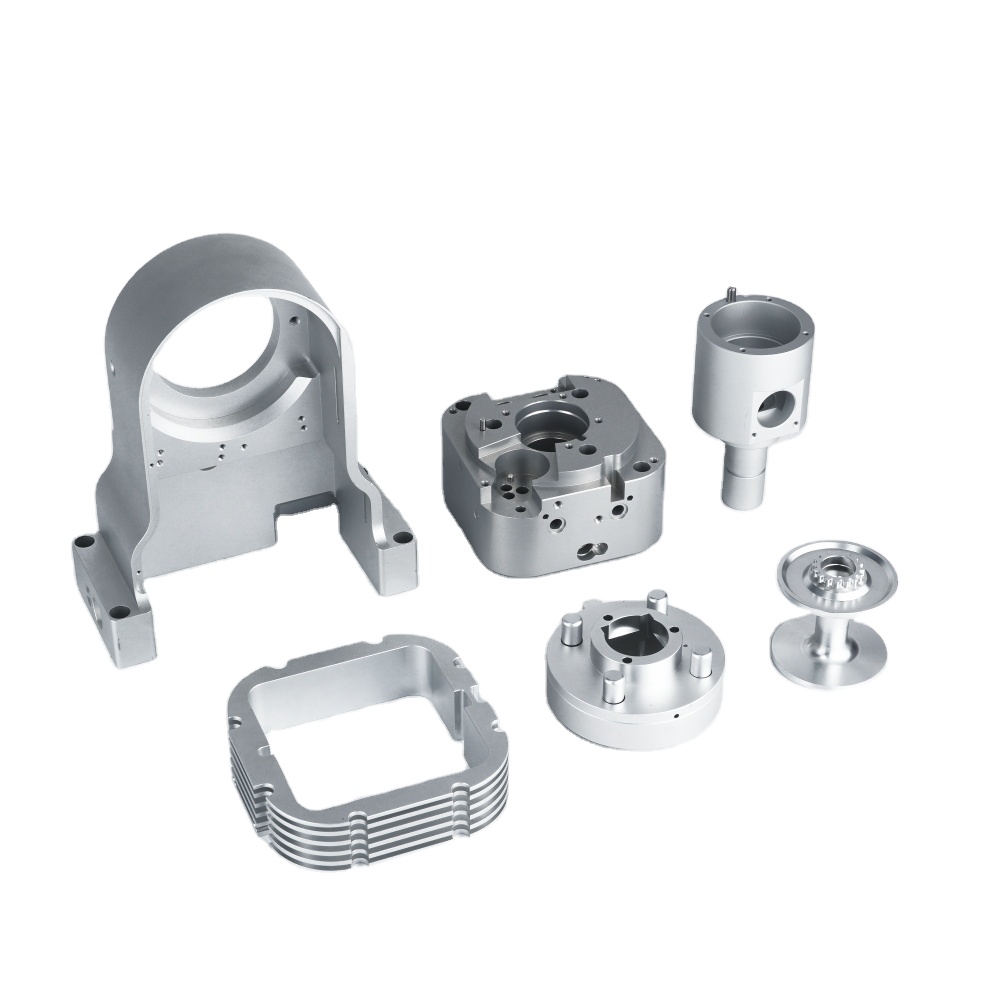
Applications of CNC Turning
CNC turning finds extensive use across various industries. In the automotive industry, it is employed to manufacture components like engine shafts, transmission parts, and wheel hubs. These parts need to be highly precise to ensure the smooth operation and safety of vehicles. The aerospace sector relies on CNC turning to produce critical components for aircraft engines, landing gear, and structural parts. Given the stringent requirements for weight reduction and strength in aerospace applications, the precision of CNC turning is indispensable.
The medical industry also benefits from CNC turning. Components for medical devices, such as surgical instruments, implants, and dental prosthetics, often require extremely tight tolerances and smooth surfaces. CNC turning can meet these demanding specifications, ensuring the quality and functionality of medical products. Additionally, CNC turning is used in the production of consumer goods, electronics, and many other industries to create components that are essential for the final products.
Advantages of CNC Turning
One of the primary advantages of CNC turning is its high precision. With computer control, components can be manufactured to tolerances as tight as a few micrometers, ensuring consistent quality across multiple production runs. This precision also reduces the need for manual adjustments and post-processing, saving both time and cost.
Another significant benefit is its versatility. CNC turning can work with a wide variety of materials, including metals like aluminum, steel, and titanium, as well as plastics and composites. This allows manufacturers to produce components for different applications based on the material's properties. Additionally, the ability to program complex shapes and features into the CNC machine enables the creation of customized components tailored to specific customer requirements.
Automation is also a key advantage of CNC turning. Once the program is set up, the machine can run continuously with minimal human intervention, increasing productivity and reducing the risk of human error. This makes CNC turning suitable for both small-scale production of prototypes and large-scale mass production.
Challenges and Considerations
While CNC turning offers numerous benefits, it also comes with some challenges. The initial cost of purchasing and setting up a CNC lathe can be quite high, which may be a barrier for small businesses or those with limited budgets. Additionally, programming the CNC machine requires specialized skills and knowledge, and operators need to be trained to use the software and understand the intricacies of G-code programming.
Another consideration is the complexity of some components. Very intricate or highly complex geometries may require advanced programming techniques and multiple setups, which can increase production time and cost. Maintenance of the CNC machine is also crucial to ensure its continued accuracy and performance. Regular servicing, tool replacement, and calibration are necessary to keep the machine running smoothly.
In conclusion, CNC turning is a fundamental and powerful manufacturing process that has transformed the way components are produced. Its precision, versatility, and automation capabilities make it an essential part of modern manufacturing across a wide range of industries. Despite the challenges it presents, the benefits of CNC turning far outweigh the drawbacks, making it a technology that will continue to play a vital role in the future of manufacturing.
What is Precision Casting
What is a CNC Machine Used For
Related Article

Gears are the backbone of mechanical transmission systems, converting rotational motion and torque between shafts to power everything from household appliances to industrial machinery.
What are the 4 types of gears

CNC machines (Computer Numerical Control machines) have transformed manufacturing by delivering unmatched precision, repeatability, and efficiency across material types—from metals to plastics and composites.
Which Industries Mostly Use CNC Machines

CNC machining is celebrated for its precision and versatility in shaping metals, plastics, and composites—but its subtractive nature (removing material from a solid workpiece to create parts) raises a critical question: “Is CNC machining wasteful?” At first glance, the piles of metal shavings, plastic chips, and scrapped parts from CNC operations might suggest yes.
Is CNC machining wasteful
