
What is CNC Milling
2025-06-07
What is CNC Milling? Unveiling the Precision and Power of Modern Machining
In the ever-evolving landscape of modern manufacturing, CNC milling stands as a cornerstone technology, revolutionizing the way we create intricate parts and components. Whether you're a seasoned engineer, a manufacturing enthusiast, or simply curious about the inner workings of industrial processes, understanding what CNC milling is and how it operates is key to appreciating its significance in various industries. This blog post aims to provide a comprehensive exploration of CNC milling, delving into its definition, working principles, applications, advantages, limitations, and future trends.
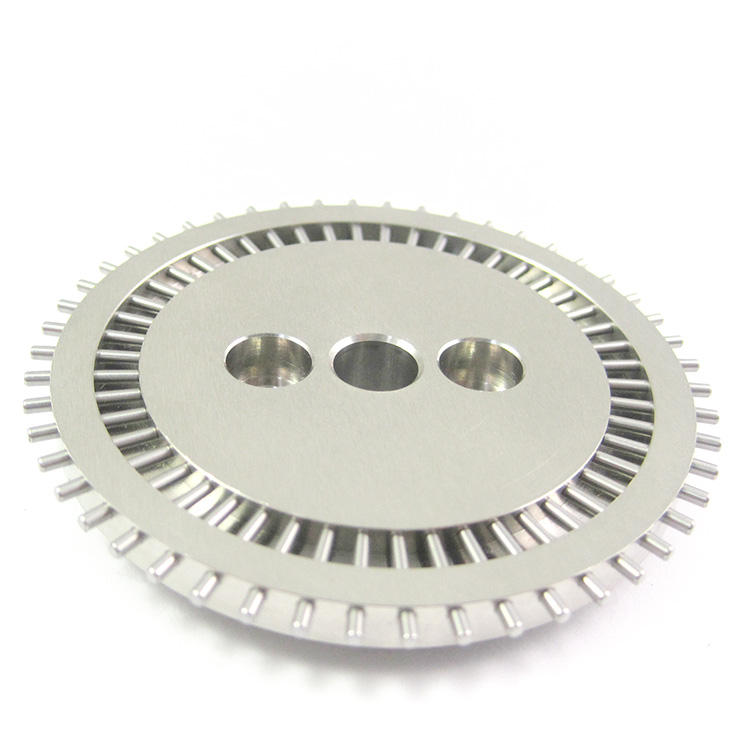
Defining CNC Milling: A Fundamental Overview
CNC, which stands for Computer Numerical Control, is a technology that enables machines to be controlled by computer programs. CNC milling, specifically, is a subtractive manufacturing process that uses computer-controlled cutting tools to remove material from a workpiece, gradually shaping it into the desired form. Unlike traditional manual milling, where an operator controls the movement of the cutting tool by hand, CNC milling automates this process, ensuring high precision, repeatability, and efficiency.
At its core, CNC milling involves the use of a milling machine, which typically consists of a spindle that holds the cutting tool, a worktable that holds the workpiece, and a set of axes (usually X, Y, and Z) that control the movement of the spindle and the worktable. The computer program, often referred to as a CNC program or G-code, contains a series of instructions that tell the milling machine how to move the cutting tool, what speed and feed rate to use, and how deep to cut into the workpiece. By following these instructions, the milling machine can create complex shapes and geometries with a high degree of accuracy.
The Working Principles of CNC Milling
The process of CNC milling begins with the creation of a digital model of the part or component to be manufactured. This can be done using computer-aided design (CAD) software, which allows designers to create 2D or 3D models of the desired object. Once the CAD model is complete, it is converted into a CNC program using computer-aided manufacturing (CAM) software. The CAM software takes the design data from the CAD model and generates a set of instructions that the CNC milling machine can understand.
The CNC program is then loaded into the control system of the milling machine, which communicates with the machine's motors and drives to control the movement of the cutting tool. The cutting tool, which can be a variety of shapes and sizes depending on the application, is mounted on the spindle of the milling machine. As the spindle rotates, the cutting tool moves along the programmed paths, removing material from the workpiece layer by layer.
During the milling process, the cutting tool can move in multiple directions, including linear (along the X, Y, and Z axes) and rotational (around the axes). This allows for the creation of complex shapes and geometries, such as holes, slots, pockets, and contours. The speed and feed rate of the cutting tool can also be adjusted to optimize the cutting process, depending on the material being machined, the size and shape of the cutting tool, and the desired surface finish.
Applications of CNC Milling
CNC milling is widely used in a variety of industries, including aerospace, automotive, medical, electronics, and consumer goods. Its versatility and precision make it suitable for manufacturing a wide range of parts and components, from small, intricate components to large, complex structures. Here are some of the common applications of CNC milling:
- Aerospace Industry: CNC milling is used to manufacture critical components for aircraft, such as engine parts, wing structures, and landing gear components. The high precision and accuracy of CNC milling are essential for ensuring the safety and performance of these components.
- Automotive Industry: In the automotive industry, CNC milling is used to produce engine blocks, cylinder heads, transmission components, and other parts. CNC milling allows for the production of complex geometries and tight tolerances, which are required for high-performance engines and vehicles.
- Medical Industry: CNC milling is used to manufacture medical devices and implants, such as surgical instruments, orthopedic implants, and dental prosthetics. The precision and repeatability of CNC milling are crucial for ensuring the safety and effectiveness of these medical products.
- Electronics Industry: CNC milling is used to produce printed circuit boards (PCBs), electronic enclosures, and other components. The ability to create complex shapes and geometries with high precision makes CNC milling an ideal choice for the electronics industry.
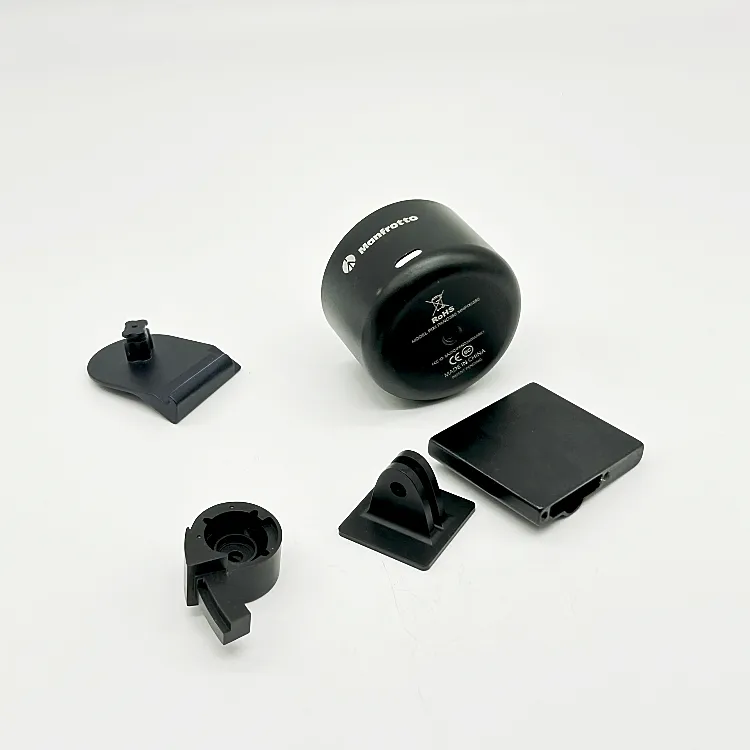
- Consumer Goods Industry: CNC milling is used to manufacture a wide range of consumer products, such as furniture, toys, sporting goods, and household appliances. The versatility of CNC milling allows for the production of custom-designed products with high-quality finishes.
Advantages of CNC Milling
CNC milling offers several advantages over traditional manual milling and other manufacturing processes. Some of the key advantages of CNC milling include:
- High Precision and Accuracy: CNC milling machines are capable of achieving extremely high levels of precision and accuracy, with tolerances as small as a few micrometers. This makes it possible to manufacture parts and components with tight tolerances and complex geometries.
- Repeatability: CNC milling machines can reproduce the same part or component multiple times with consistent results. This is essential for mass production, where it is important to ensure that each part meets the same specifications.
- Efficiency: CNC milling machines can operate continuously for long periods of time, without the need for human intervention. This makes it possible to produce parts and components quickly and efficiently, reducing production costs and lead times.
- Versatility: CNC milling machines can be programmed to perform a wide range of machining operations, including milling, drilling, boring, tapping, and engraving. This makes it possible to manufacture a variety of parts and components using a single machine.
- Flexibility: CNC milling machines can be easily reprogrammed to produce different parts and components, without the need for extensive setup changes. This makes it possible to respond quickly to changing production requirements and customer demands.
Limitations of CNC Milling
While CNC milling offers many advantages, it also has some limitations. Some of the key limitations of CNC milling include:
- Initial Investment: CNC milling machines can be expensive to purchase and install, especially for small and medium-sized businesses. The cost of the machine, as well as the cost of software, training, and maintenance, can be a significant barrier to entry for some companies.
- Complexity: CNC milling machines are complex pieces of equipment that require specialized knowledge and skills to operate and maintain. Operators need to be trained in CAD/CAM software, CNC programming, and machining techniques to use the machine effectively.
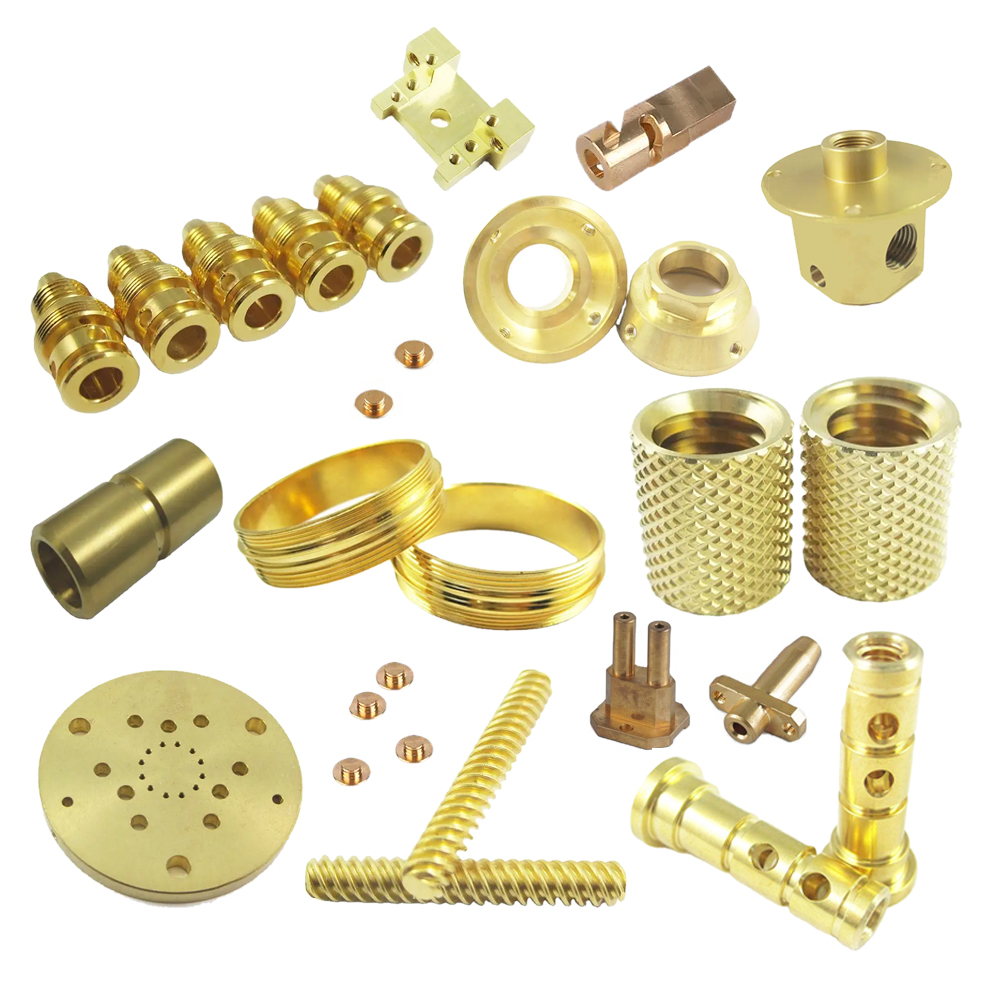
- Material Limitations: CNC milling is most suitable for machining materials that are relatively soft and easy to cut, such as aluminum, brass, and plastic. Harder materials, such as steel and titanium, require more powerful machines and specialized cutting tools, which can increase the cost and complexity of the machining process.
- Production Volume: CNC milling is most cost-effective for producing small to medium-sized batches of parts and components. For large-scale production, other manufacturing processes, such as injection molding or die casting, may be more economical.
Future Trends in CNC Milling
As technology continues to evolve, so does the field of CNC milling. Here are some of the future trends that are likely to shape the future of CNC milling:
- Automation and Robotics: The use of automation and robotics in CNC milling is expected to increase in the coming years, as companies look for ways to improve efficiency, reduce costs, and increase productivity. Automated CNC milling machines can operate continuously without the need for human intervention, while robots can be used to load and unload workpieces, change cutting tools, and perform other tasks.
- Additive Manufacturing Integration: The integration of additive manufacturing (3D printing) with CNC milling is another trend that is gaining popularity. By combining the strengths of both technologies, manufacturers can produce parts and components with complex geometries and high precision, while also reducing material waste and production costs.
- Advanced Materials: The development of new and advanced materials, such as composites, ceramics, and nanomaterials, is likely to drive the demand for CNC milling machines that are capable of machining these materials. CNC milling machines will need to be equipped with specialized cutting tools and machining techniques to handle these materials effectively.
- Internet of Things (IoT) and Industry 4.0: The adoption of IoT and Industry 4.0 technologies in CNC milling is expected to increase in the coming years, as companies look for ways to improve connectivity, data analytics, and process optimization. IoT-enabled CNC milling machines can collect and transmit data in real-time, allowing manufacturers to monitor and control the machining process remotely.
In conclusion, CNC milling is a powerful and versatile manufacturing process that plays a crucial role in modern industries. Its ability to produce high-precision parts and components with complex geometries makes it an essential technology for a wide range of applications. While CNC milling has some limitations, its advantages far outweigh its drawbacks, making it a popular choice for manufacturers around the world. As technology continues to evolve, the future of CNC milling looks bright, with new trends and innovations expected to shape the way we manufacture parts and components in the years to come.
What is a CNC Milling Machine
What is CNC Drilling
Related Article

Gears are the backbone of mechanical transmission systems, converting rotational motion and torque between shafts to power everything from household appliances to industrial machinery.
What are the 4 types of gears

CNC machines (Computer Numerical Control machines) have transformed manufacturing by delivering unmatched precision, repeatability, and efficiency across material types—from metals to plastics and composites.
Which Industries Mostly Use CNC Machines

CNC machining is celebrated for its precision and versatility in shaping metals, plastics, and composites—but its subtractive nature (removing material from a solid workpiece to create parts) raises a critical question: “Is CNC machining wasteful?” At first glance, the piles of metal shavings, plastic chips, and scrapped parts from CNC operations might suggest yes.
Is CNC machining wasteful
