
What is Better Than CNC
2025-08-28
What is Better Than CNC? Exploring Superior Alternatives in Modern Manufacturing
CNC machining has long been a cornerstone of modern manufacturing, celebrated for its exceptional precision, repeatability, and ability to shape a wide range of materials—from metals to plastics. For decades, CNC machining has been the go-to choice for producing complex parts with tight tolerances, powering industries like aerospace, automotive, and medical device manufacturing. However, as manufacturing demands evolve—with a growing focus on complex geometries, cost efficiency for high-volume production, and sustainability—several alternative technologies have emerged that outperform CNC machining in specific scenarios. These alternatives are not just "different" from CNC machining; they address critical limitations of CNC machining, such as difficulty with intricate internal structures, high tooling costs for small-batch runs, or inefficiency with certain materials. In this blog, we will explore which technologies are better than CNC machining, the contexts where they excel, and why they are becoming increasingly vital for forward-thinking manufacturers.
Additive Manufacturing (3D Printing): Superior for Complex Geometries and Customization
Additive manufacturing, commonly known as 3D printing, has revolutionized manufacturing by addressing one of CNC machining’s most significant limitations: its struggle with complex, organic, or internally structured parts. Unlike CNC machining, which uses a "subtractive" approach—removing material from a solid block—additive manufacturing builds parts layer by layer from raw materials (such as plastics, metals, or ceramics). This fundamental difference makes additive manufacturing far better than CNC machining in scenarios where complexity, customization, or material efficiency is a priority.
Intricate Internal Structures and Overhangs
CNC machining relies on physical cutting tools that require access to the material being shaped. This means parts with internal cavities, lattice structures, or overhangs (features that extend beyond the main body without support) often require multiple setups, custom fixtures, or even assembly of separate CNC-machined components. In contrast, additive manufacturing can create these features in a single process, with no need for tool access. For example, medical implants like hip replacements, which require porous internal structures to promote bone integration, are nearly impossible to produce efficiently with CNC machining. Additive manufacturing, however, can print these porous lattices directly, ensuring better biocompatibility and performance—all while reducing production time compared to CNC machining.
Another example is aerospace components, such as turbine blades with internal cooling channels. CNC machining would require drilling multiple holes and cutting channels from the outside, risking structural weakness or dimensional inaccuracies. Additive manufacturing, by contrast, builds the blade around the cooling channels, resulting in a stronger, more precise part with no post-processing gaps. In these cases, additive manufacturing is not just an alternative to CNC machining—it is a superior solution that unlocks designs CNC machining cannot achieve.
Low-Volume Production and Customization
CNC machining often requires expensive tooling, fixtures, and programming for each new part design. For low-volume production (e.g., 1 to 100 units) or custom parts (such as personalized consumer goods or prototype components), these upfront costs make CNC machining impractical. Additive manufacturing eliminates most of these costs: once a 3D model is created, the same machine can produce different parts with no need for tool changes or retooling. This makes additive manufacturing far more cost-effective than CNC machining for customization and small-batch runs.
For instance, a manufacturer producing custom drone frames for hobbyists would find CNC machining prohibitively expensive for one-off designs, as each frame would require unique toolpaths and fixtures. With additive manufacturing, the manufacturer can simply upload a new 3D file and print the frame in hours—at a fraction of the cost of CNC machining. Even for metal parts, technologies like selective laser melting (SLM) or electron beam melting (EBM) offer faster turnaround and lower costs than CNC machining for low-volume production, solidifying additive manufacturing’s role as a better alternative in this context.
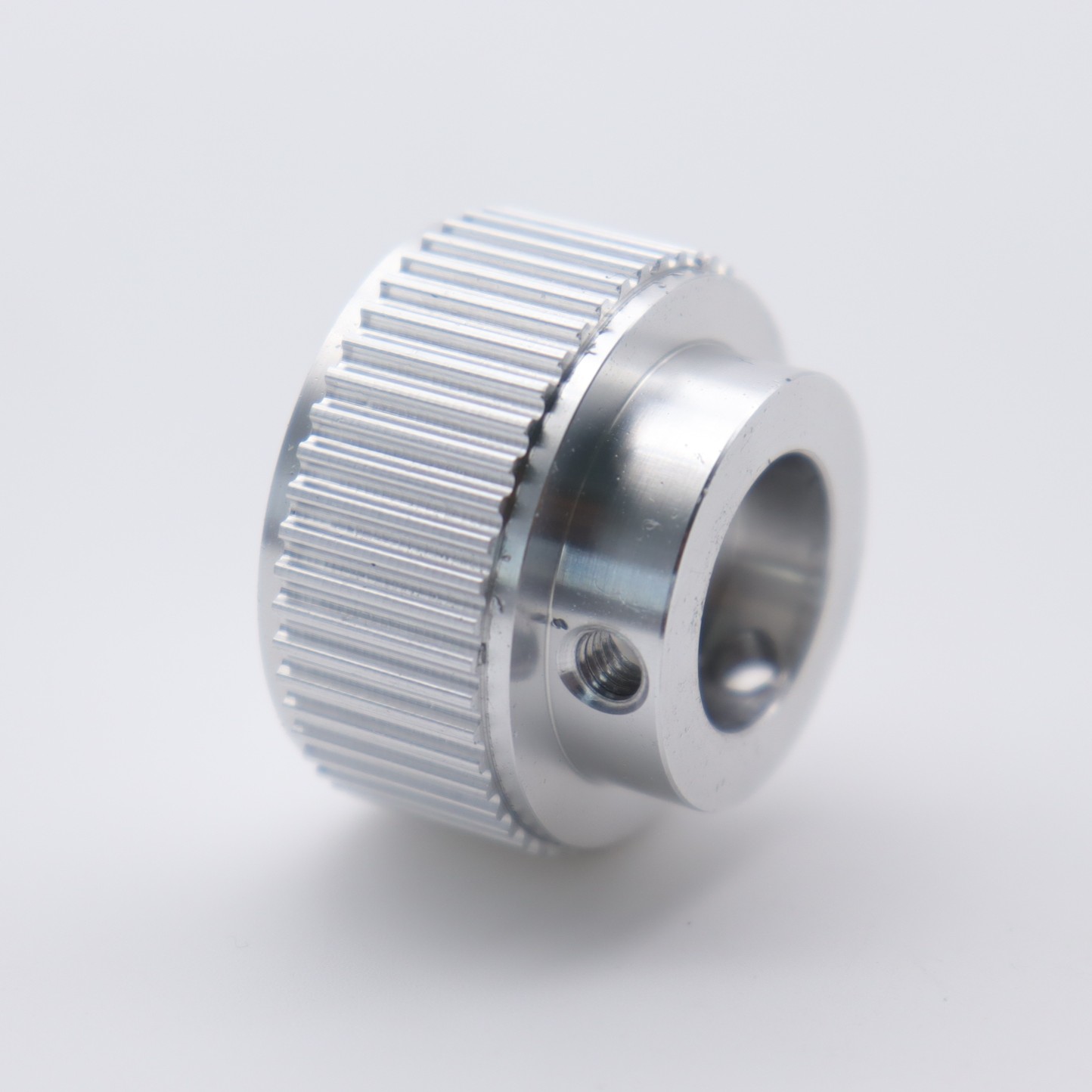
Injection Molding: More Efficient for High-Volume Plastic Parts
While CNC machining is versatile for plastic parts, it is no match for injection molding when it comes to high-volume production. Injection molding uses a mold (typically made of steel or aluminum) to inject molten plastic into a cavity, creating identical parts in seconds. This process is vastly more efficient, cost-effective, and consistent than CNC machining for large batch sizes (10,000 units or more), making it a clear choice for manufacturers prioritizing scalability.
Cost Efficiency at Scale
CNC machining produces plastic parts by cutting away material from a solid plastic block— a slow, material-intensive process. For each part, CNC machining requires minutes (or even hours) of cutting time, and a significant portion of the raw material is wasted as scrap. Injection molding, by contrast, has high upfront costs for mold creation but extremely low per-unit costs: once the mold is made, each part can be produced in 10–60 seconds, with minimal material waste (since only the amount needed for the part is injected). For example, a manufacturer producing 100,000 plastic smartphone cases would spend exponentially more on labor, time, and material with CNC machining than with injection molding. The per-unit cost of injection molding drops sharply as volume increases, making it far better than CNC machining for high-volume plastic production.
Consistency and Quality Control
CNC machining relies on operator skill, tool wear, and machine calibration to maintain part consistency. Over time, cutting tools degrade, leading to slight variations in part dimensions— a problem for applications requiring tight tolerances across thousands of units. Injection molding, however, produces near-identical parts with each cycle, as the mold’s cavity defines the part’s shape precisely. Modern injection molding machines also include real-time monitoring systems that detect defects (such as air bubbles or incomplete fills) before they affect large batches. For industries like consumer electronics or automotive, where consistency is critical, injection molding outperforms CNC machining by delivering higher quality control and reducing scrap rates.
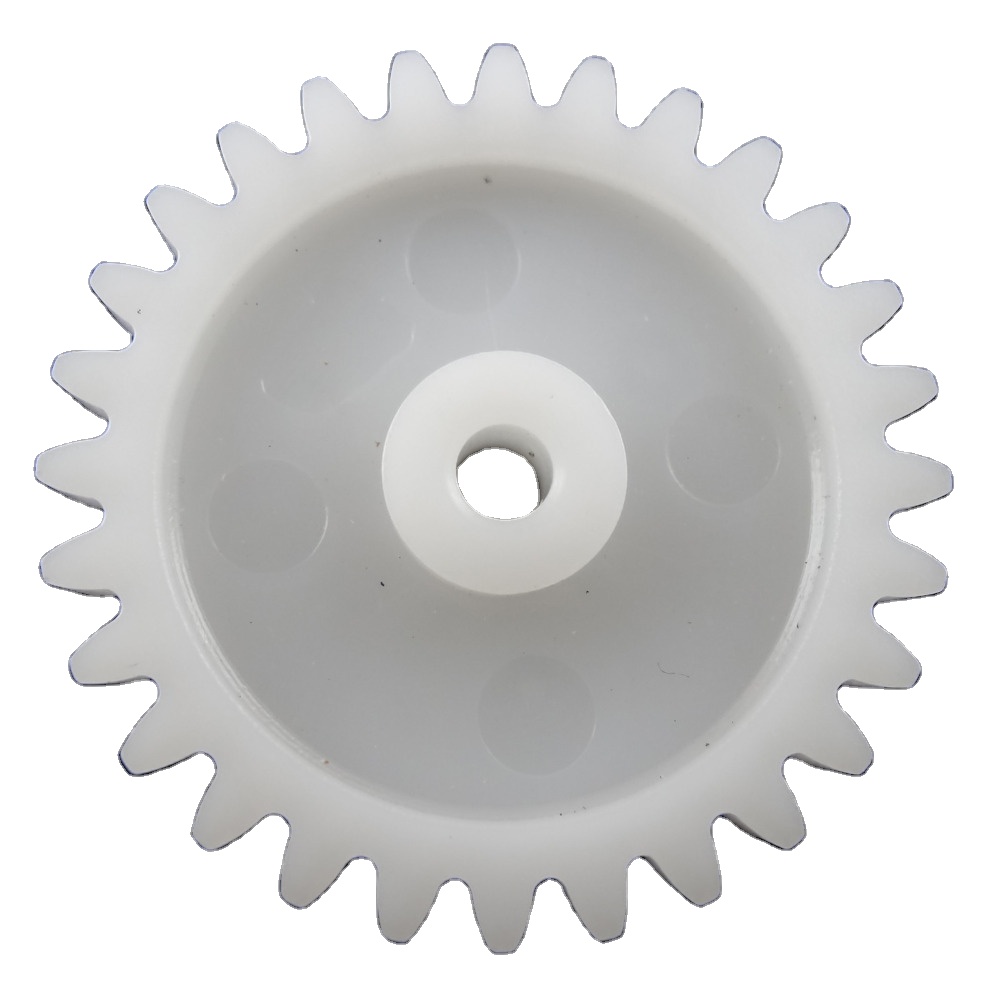
Flexible Manufacturing Systems (FMS): Better for Dynamic Production Needs
CNC machining is often used in standalone setups, which work well for static production lines but struggle with dynamic manufacturing needs—such as frequent part design changes, mixed-product runs, or rapid response to market demand. Flexible Manufacturing Systems (FMS) address this limitation by integrating multiple automated technologies (including robotics, conveyors, and smart software) with CNC machines (or alternative tools) to create a seamless, adaptable production line. In scenarios requiring agility, FMS is better than traditional CNC machining setups.
Reduced Changeover Time
Traditional CNC machining requires significant downtime when switching from one part design to another: operators must swap out tools, reprogram the machine, and adjust fixtures— a process that can take hours. FMS streamlines this process by using robotics to automate tool changes and software to pre-program part designs. For example, an automotive parts manufacturer producing both brake calipers and steering components can switch between the two parts in minutes with FMS, compared to hours with standalone CNC machining. This reduced changeover time makes FMS ideal for mixed-product runs, where manufacturers need to produce multiple part types in small batches without sacrificing efficiency.
Real-Time Data and Optimization
Unlike standalone CNC machining, FMS includes sensors and IoT (Internet of Things) connectivity that collect real-time data on production metrics—such as machine uptime, tool wear, and part quality. This data is analyzed by AI-powered software to optimize production: for instance, the system can predict when a tool will fail and schedule a replacement during a lull, or adjust cutting parameters to reduce energy use. In contrast, CNC machining relies on manual monitoring, which often leads to unplanned downtime or suboptimal performance. For manufacturers aiming to reduce costs and improve sustainability, FMS’s data-driven approach makes it a superior alternative to traditional CNC machining.
Laser Cutting: More Precise for Thin Materials and Intricate Cuts
CNC machining uses physical tools (such as endmills or drills) to cut materials, which can cause issues with thin materials (e.g., sheet metal or plastic films) or parts requiring extremely fine cuts (e.g., electronic components or decorative items). Laser cutting, which uses a high-powered laser beam to melt, burn, or vaporize material, avoids these problems by delivering non-contact, ultra-precise cuts. In these specific applications, laser cutting is better than CNC machining.
Thin Materials and Minimal Distortion
CNC machining’s physical tools apply pressure to the material being cut, which can bend or warp thin materials (such as 0.5mm sheet aluminum). This distortion ruins part accuracy and increases scrap rates. Laser cutting, by contrast, uses no physical contact— the laser beam heats only a small area of the material, minimizing distortion. For example, a manufacturer producing thin metal brackets for electronics would find CNC machining leads to warped parts, while laser cutting delivers flat, precise brackets with no post-processing needed. Laser cutting also works well with delicate materials like paper, fabric, or foam— materials that CNC machining would tear or crush.
Intricate Cuts and Fine Details
CNC machining tools have a minimum size (typically 0.1mm or larger), which limits the fineness of cuts—for example, small holes or narrow slots. Laser cutting, however, can create cuts as small as 0.01mm, making it ideal for parts with intricate details, such as circuit boards or jewelry. A jewelry designer creating a pendant with tiny filigree patterns would struggle with CNC machining, as the tool would be too large to reach small spaces without damaging the design. Laser cutting, by contrast, can trace even the finest patterns with precision, resulting in a higher-quality finished product. In these cases, laser cutting’s precision and non-contact nature make it a clear improvement over CNC machining.
Electrochemical Machining (ECM): Superior for High-Hardness and Heat-Sensitive Materials
CNC machining struggles with materials that are extremely hard (e.g., hardened steel, titanium alloys) or heat-sensitive (e.g., superalloys used in turbines). Cutting these materials with CNC machining leads to rapid tool wear, high heat generation (which can alter material properties), and poor surface finish. Electrochemical Machining (ECM), a non-thermal, non-mechanical process that uses electrolysis to remove material, avoids these issues— making it better than CNC machining for high-hardness and heat-sensitive applications.
No Tool Wear or Heat Damage
CNC machining relies on hard tools (such as carbide or diamond) to cut hard materials, but even these tools wear down quickly when machining materials like Inconel or tungsten. This wear requires frequent tool replacements, increasing costs and downtime. ECM, by contrast, uses a conductive tool (typically copper or brass) and an electrolyte solution to dissolve material at a molecular level— no physical contact means no tool wear. For example, a manufacturer producing turbine blades from heat-resistant superalloys would find CNC machining causes tool failure every few dozen parts, while ECM can produce hundreds of blades with the same tool.
ECM also generates no heat during machining, which is critical for heat-sensitive materials. CNC machining’s cutting process creates friction, which can raise temperatures above the material’s annealing point— weakening the part or changing its mechanical properties. ECM’s cool process preserves the material’s integrity, making it ideal for aerospace components or medical implants where material strength is non-negotiable. In these high-stakes applications, ECM’s lack of tool wear and heat damage makes it superior to CNC machining.
FAQ
Is there any alternative that outperforms CNC machining in precision?
While CNC machining is highly precise (with tolerances as tight as ±0.001mm), laser cutting and ECM can match or exceed this precision in specific cases. Laser cutting offers ±0.005mm tolerance for thin materials, and ECM delivers ±0.002mm tolerance for hard materials— both comparable to CNC machining. However, additive manufacturing (for complex geometries) or injection molding (for high-volume parts) may be better overall, even if precision is similar, due to other advantages like cost or design flexibility.
When is injection molding better than CNC machining for plastic parts?
Injection molding is better than CNC machining for plastic parts when production volume exceeds ~1,000 units. CNC machining has lower upfront costs but higher per-unit costs (due to slow cutting and material waste), while injection molding has high upfront mold costs but 极低 per-unit costs. For example, 10,000 plastic gears would cost 50–70% less with injection molding than with CNC machining, plus injection molding offers better consistency.
Can laser cutting replace CNC machining for metal fabrication?
Laser cutting cannot fully replace CNC machining for metal fabrication, but it is better for thin metals (≤25mm thick) and intricate cuts. CNC machining is still superior for thick metals (≥50mm), 3D features (e.g., pockets or threads), or parts requiring high structural strength. For example, laser cutting is ideal for sheet metal enclosures, while CNC machining is better for metal brackets with threaded holes.
Does additive manufacturing offer cost advantages over CNC machining?
Additive manufacturing offers cost advantages over CNC machining for low-volume production (1–100 units) and custom parts. The upfront tooling costs of CNC machining make it expensive for small batches, while additive manufacturing requires only a 3D model. For high-volume production (>1,000 units), however, CNC machining or injection molding is often cheaper— additive manufacturing’s per-unit costs remain high due to slow print times.
For high-hardness materials like tungsten, which is better than CNC machining?
Electrochemical Machining (ECM) is the best alternative to CNC machining for high-hardness materials like tungsten. CNC machining causes rapid tool wear and heat damage when cutting tungsten, while ECM uses electrolysis to dissolve material without tool wear or heat. Laser cutting can also work for thin tungsten sheets, but ECM is superior for 3D parts or thick sections.
References
- Manufacturing Technology Insights. (2024, October 15). Additive Manufacturing vs. CNC Machining: Which Delivers More Value for Complex Parts? Retrieved from https://www.manufacturingtechnologyinsights.com/article/additive-manufacturing-vs-cnc-machining-value-complex-parts
- Additive Manufacturing Magazine. (2025, February 28). Injection Molding as a Superior Alternative to CNC Machining for High-Volume Plastic Components. Retrieved from https://www.additivemanufacturing.media/article/injection-molding-superior-cnc-high-volume-plastics
- Laser Focus World. (2024, December 3). Laser Cutting vs. CNC Machining: Precision and Efficiency in Thin Material Fabrication. Retrieved from https://www.laserfocusworld.com/laser-applications/article/16866294/laser-cutting-vs-cnc-machining-thin-materials
What are the risks of CNC machining
What Materials Cannot Be CNC Machined
Related Article

Gears are the backbone of mechanical transmission systems, converting rotational motion and torque between shafts to power everything from household appliances to industrial machinery.
What are the 4 types of gears

CNC machines (Computer Numerical Control machines) have transformed manufacturing by delivering unmatched precision, repeatability, and efficiency across material types—from metals to plastics and composites.
Which Industries Mostly Use CNC Machines

CNC machining is celebrated for its precision and versatility in shaping metals, plastics, and composites—but its subtractive nature (removing material from a solid workpiece to create parts) raises a critical question: “Is CNC machining wasteful?” At first glance, the piles of metal shavings, plastic chips, and scrapped parts from CNC operations might suggest yes.
Is CNC machining wasteful
