
What is a CNC Milling Machine
2025-06-10
What is a CNC Milling Machine?
In the fast-paced world of modern manufacturing, precision and efficiency are the names of the game. One technology that has revolutionized the industry is the CNC milling machine. But what exactly is a CNC milling machine, and why is it so crucial in today's manufacturing landscape? In this blog post, we'll delve deep into the world of CNC milling, exploring its definition, working principles, types, and applications. So, whether you're a manufacturing enthusiast, a student, or a professional looking to expand your knowledge, read on to discover everything you need to know about CNC milling machines.
What is a CNC Milling Machine?
At its core, a CNC milling machine is a computer-controlled machine tool used to remove material from a workpiece to create a desired shape or profile. The term "CNC" stands for Computer Numerical Control, which means that the machine is operated by a computer program rather than manual controls. This allows for a high degree of precision and repeatability, making CNC milling machines ideal for a wide range of manufacturing applications.
CNC milling machines are capable of performing a variety of operations, including cutting, drilling, boring, and threading. They can work with a wide range of materials, including metals, plastics, wood, and composites. With the ability to create complex shapes and designs, CNC milling machines have become an essential tool in industries such as aerospace, automotive, medical, and electronics.
How Does a CNC Milling Machine Work?
The working principle of a CNC milling machine is relatively straightforward. The process begins with the creation of a 3D model of the desired part using computer-aided design (CAD) software. This model serves as the blueprint for the machining process and contains all the necessary information about the part's dimensions, shape, and features.
Once the CAD model is complete, it is imported into computer-aided manufacturing (CAM) software. The CAM software uses the information from the CAD model to generate a toolpath, which is a set of instructions that tells the CNC milling machine how to move the cutting tool to remove material from the workpiece. The toolpath takes into account factors such as the type of material being machined, the cutting tool being used, and the desired finish of the part.
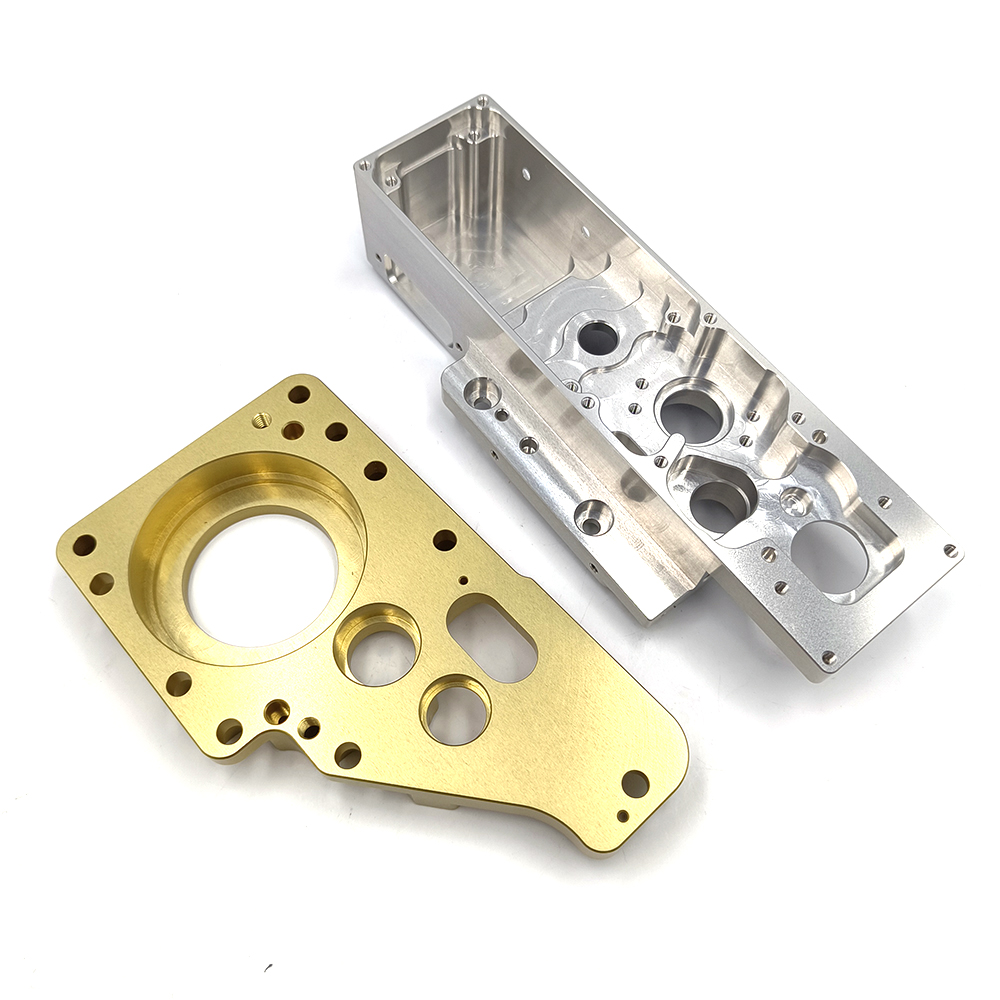
After the toolpath is generated, it is transferred to the CNC milling machine's controller. The controller is the brain of the machine and is responsible for interpreting the toolpath instructions and controlling the movement of the machine's axes. The CNC milling machine typically has three linear axes (X, Y, and Z) that control the movement of the cutting tool in three-dimensional space. Some advanced CNC milling machines may also have additional axes, such as rotary axes, which allow for more complex machining operations.
When the machine is started, the cutting tool is rotated at a high speed, and the workpiece is clamped securely in place. The CNC milling machine then moves the cutting tool along the toolpath, removing material from the workpiece in a controlled manner. The cutting tool can be moved in a variety of ways, including linear, circular, and helical motions, depending on the requirements of the part.
During the machining process, the CNC milling machine constantly monitors the position of the cutting tool and the workpiece to ensure that the machining operations are performed accurately. If any errors or deviations are detected, the machine can automatically adjust the toolpath or stop the machining process to prevent damage to the workpiece or the machine.
Types of CNC Milling Machines
CNC milling machines come in a variety of types, each designed to meet the specific needs of different manufacturing applications. The most common types of CNC milling machines include:
Vertical CNC Milling Machines
Vertical CNC milling machines are the most widely used type of CNC milling machine. They are characterized by a vertically oriented spindle that holds the cutting tool. The workpiece is placed on a table that can move in the X and Y directions, while the spindle can move in the Z direction. Vertical CNC milling machines are ideal for machining flat surfaces, drilling holes, and creating simple 2D and 3D shapes. They are commonly used in industries such as automotive, aerospace, and electronics.
Horizontal CNC Milling Machines
Horizontal CNC milling machines have a horizontally oriented spindle that holds the cutting tool. The workpiece is placed on a table that can move in the X, Y, and Z directions. Horizontal CNC milling machines are typically used for machining large workpieces or for performing operations that require a high degree of precision, such as milling gears or cutting threads. They are commonly used in industries such as heavy machinery, power generation, and shipbuilding.
5-Axis CNC Milling Machines
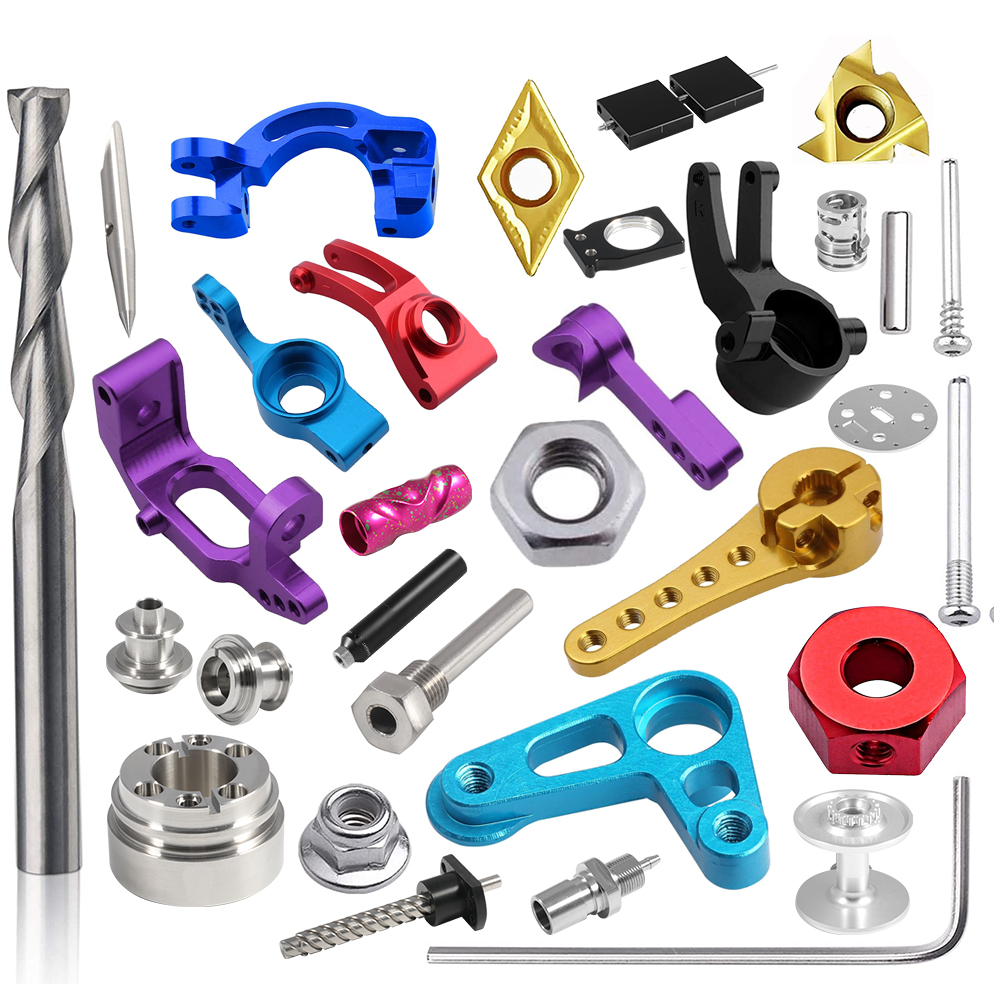
5-axis CNC milling machines are an advanced type of CNC milling machine that offer increased flexibility and precision. They have three linear axes (X, Y, and Z) and two rotary axes (A and B or C), which allow the cutting tool to move in five different directions simultaneously. This enables 5-axis CNC milling machines to machine complex shapes and surfaces that are difficult or impossible to achieve with traditional 3-axis machines. 5-axis CNC milling machines are commonly used in industries such as aerospace, medical, and mold making.
Small CNC Milling Machines
Small CNC milling machines, also known as benchtop CNC milling machines, are compact and affordable machines that are designed for use in small workshops or for hobbyists. They are typically smaller in size and have lower machining capabilities than larger industrial CNC milling machines, but they are still capable of performing a variety of machining operations with a high degree of precision. Small CNC milling machines are commonly used for prototyping, small batch production, and hobby projects.
Applications of CNC Milling Machines
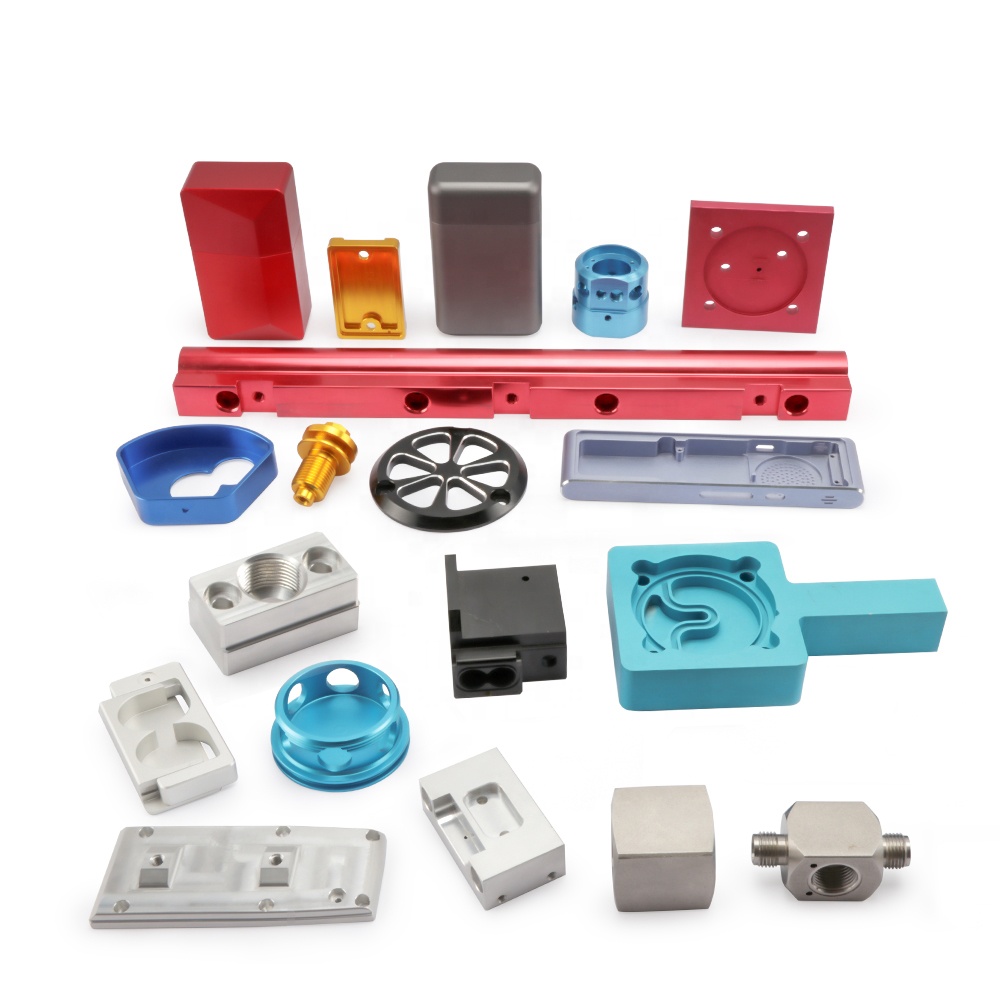
CNC milling machines are used in a wide range of industries and applications, thanks to their precision, efficiency, and versatility. Some of the most common applications of CNC milling machines include:
Aerospace Industry
The aerospace industry requires high-precision components that can withstand extreme conditions. CNC milling machines are used to manufacture a variety of aerospace components, such as engine parts, turbine blades, and aircraft structural components. The ability of CNC milling machines to produce complex shapes and tight tolerances makes them ideal for aerospace applications.
Automotive Industry
The automotive industry relies on CNC milling machines to produce a wide range of components, including engine blocks, cylinder heads, and transmission parts. CNC milling machines are used to machine these components with high precision and efficiency, ensuring that they meet the strict quality standards of the automotive industry.
Medical Industry
The medical industry requires precision components for use in medical devices and implants. CNC milling machines are used to manufacture a variety of medical components, such as orthopedic implants, dental prosthetics, and surgical instruments. The ability of CNC milling machines to produce complex shapes and tight tolerances makes them ideal for medical applications.
Electronics Industry
The electronics industry requires high-precision components for use in electronic devices. CNC milling machines are used to manufacture a variety of electronic components, such as printed circuit boards (PCBs), connectors, and heat sinks. The ability of CNC milling machines to produce complex shapes and tight tolerances makes them ideal for electronics applications.
Prototyping and Product Development
CNC milling machines are commonly used in prototyping and product development to quickly and accurately produce small batches of parts. This allows designers and engineers to test and refine their designs before moving on to mass production. CNC milling machines are also used to create custom fixtures and tooling for use in manufacturing processes.
Conclusion
In conclusion, CNC milling machines are an essential tool in modern manufacturing. Their ability to produce high-precision components with a high degree of efficiency and flexibility makes them ideal for a wide range of industries and applications. Whether you're in the aerospace, automotive, medical, electronics, or any other industry, chances are that CNC milling machines are playing a crucial role in the production of your products.
As technology continues to advance, CNC milling machines are becoming more powerful, precise, and affordable. With the development of new materials and manufacturing techniques, the possibilities for CNC milling are endless. So, if you're looking to stay ahead in the competitive world of manufacturing, it's essential to understand the capabilities and applications of CNC milling machines.
We hope this blog post has provided you with a comprehensive overview of what a CNC milling machine is, how it works, the different types available, and its applications. If you have any questions or would like to learn more about CNC milling machines, please feel free to contact us. We'd be happy to help!
How a CNC Milling Machine Works
What is CNC Milling
Related Article

Gears are the backbone of mechanical transmission systems, converting rotational motion and torque between shafts to power everything from household appliances to industrial machinery.
What are the 4 types of gears

CNC machines (Computer Numerical Control machines) have transformed manufacturing by delivering unmatched precision, repeatability, and efficiency across material types—from metals to plastics and composites.
Which Industries Mostly Use CNC Machines

CNC machining is celebrated for its precision and versatility in shaping metals, plastics, and composites—but its subtractive nature (removing material from a solid workpiece to create parts) raises a critical question: “Is CNC machining wasteful?” At first glance, the piles of metal shavings, plastic chips, and scrapped parts from CNC operations might suggest yes.
Is CNC machining wasteful
