
What is a CNC Machine
2025-05-24
What is a CNC Machine?
In the ever-evolving world of modern manufacturing, CNC machines have become an integral part of production processes across various industries. But what is a CNC machine exactly? This blog aims to provide a detailed exploration of these advanced machines, from their fundamental concepts to their wide-ranging applications and benefits.
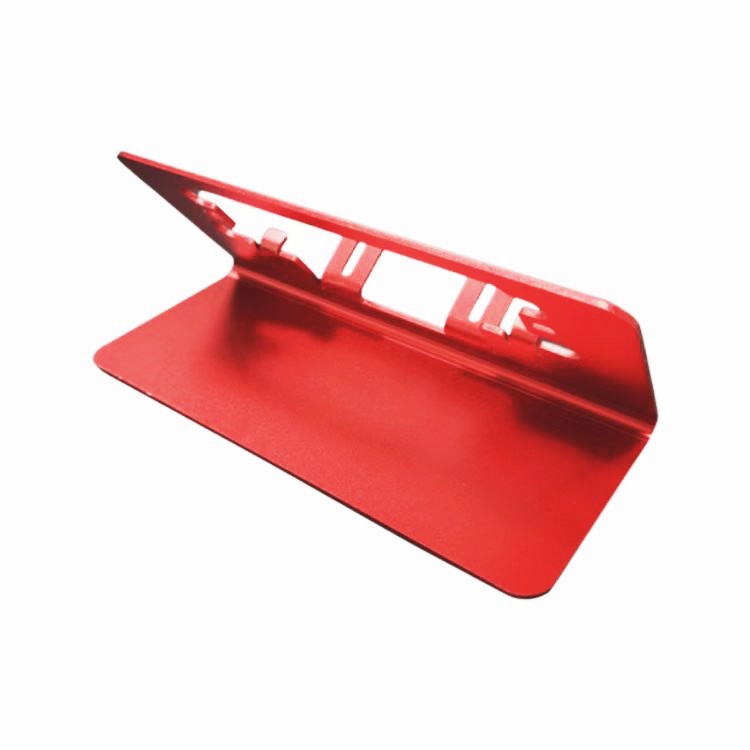
The Basics: Defining CNC Machines
A CNC machine, short for Computer Numerical Control machine, is a sophisticated automated device that utilizes computer software to control its machining operations. Unlike traditional manual machines, where an operator directly manipulates tools to shape materials, CNC machines rely on pre-programmed instructions to execute tasks with extreme precision.
The concept of CNC technology emerged as a way to overcome the limitations of manual machining, such as human error, inconsistent results, and limited productivity. By converting digital designs created using Computer-Aided Design (CAD) software into specific codes, typically G-code or M-code, CNC machines can accurately control the movement of cutting tools, the speed of operations, and the depth of cuts on various materials like metal, plastic, wood, and more.
How Does a CNC Machine Work?
1. Design Creation
The process begins with the creation of a design using CAD software. Designers can create intricate 2D or 3D models of the desired product, specifying all the details including dimensions, shapes, and features. This digital design serves as the blueprint for the CNC machine.
2. CAM Programming
Once the CAD design is complete, it is transferred to Computer-Aided Manufacturing (CAM) software. CAM software analyzes the design and generates the necessary G-code or M-code instructions. These codes contain detailed commands about how the machine should move the tools, what speed to operate at, and which machining operations to perform, such as milling, turning, or drilling.
3. Machine Setup
Before the machining process starts, the CNC machine needs to be properly set up. This involves installing the appropriate cutting tools, securing the raw material (workpiece) onto the machine's worktable, and calibrating the machine's axes. The operator also loads the generated G-code or M-code into the machine's control system and configures other parameters like feed rates and spindle speeds.
4. Machining Process
With the setup complete, the CNC machine initiates the machining process. The control system reads the code line by line and sends signals to the machine's motors and actuators. These components then precisely move the cutting tools along the programmed paths, removing material from the workpiece to gradually shape it according to the design. Throughout the process, sensors on the machine monitor various aspects like tool position and temperature, providing feedback to the control system to ensure accuracy and prevent errors.
Key Components of a CNC Machine
1. Control System
The control system is the brain of the CNC machine. It interprets the G-code or M-code instructions, processes the data, and sends commands to the other components of the machine. Modern control systems often feature user-friendly interfaces that allow operators to monitor and adjust the machining process in real-time.
2. Motors and Drives
CNC machines use motors, such as servo motors or stepper motors, to move the axes (X, Y, Z, and sometimes additional axes). These motors are connected to drives that receive signals from the control system and convert them into precise movements, enabling the machine to position the cutting tools accurately.
3. Spindle and Cutting Tools
The spindle is the rotating component that holds the cutting tools. It can rotate at high speeds, and the speed can be adjusted according to the machining requirements. Different types of cutting tools, like end mills, drills, and lathe tools, are used depending on the specific machining operation, such as milling a flat surface or drilling a hole.
4. Worktable and Fixtures
The worktable provides a stable platform for holding the workpiece. Fixtures, such as clamps and vices, are used to securely fasten the material in place during machining, ensuring that it remains stationary and accurately positioned.
Applications of CNC Machines
CNC machines are widely used across numerous industries:
1. Aerospace Industry
In aerospace manufacturing, where precision and high-quality components are crucial, CNC machines are used to produce parts like turbine blades, engine components, and structural parts. The ability to achieve tight tolerances and repeatable results makes CNC machines indispensable for creating parts that can withstand extreme conditions.
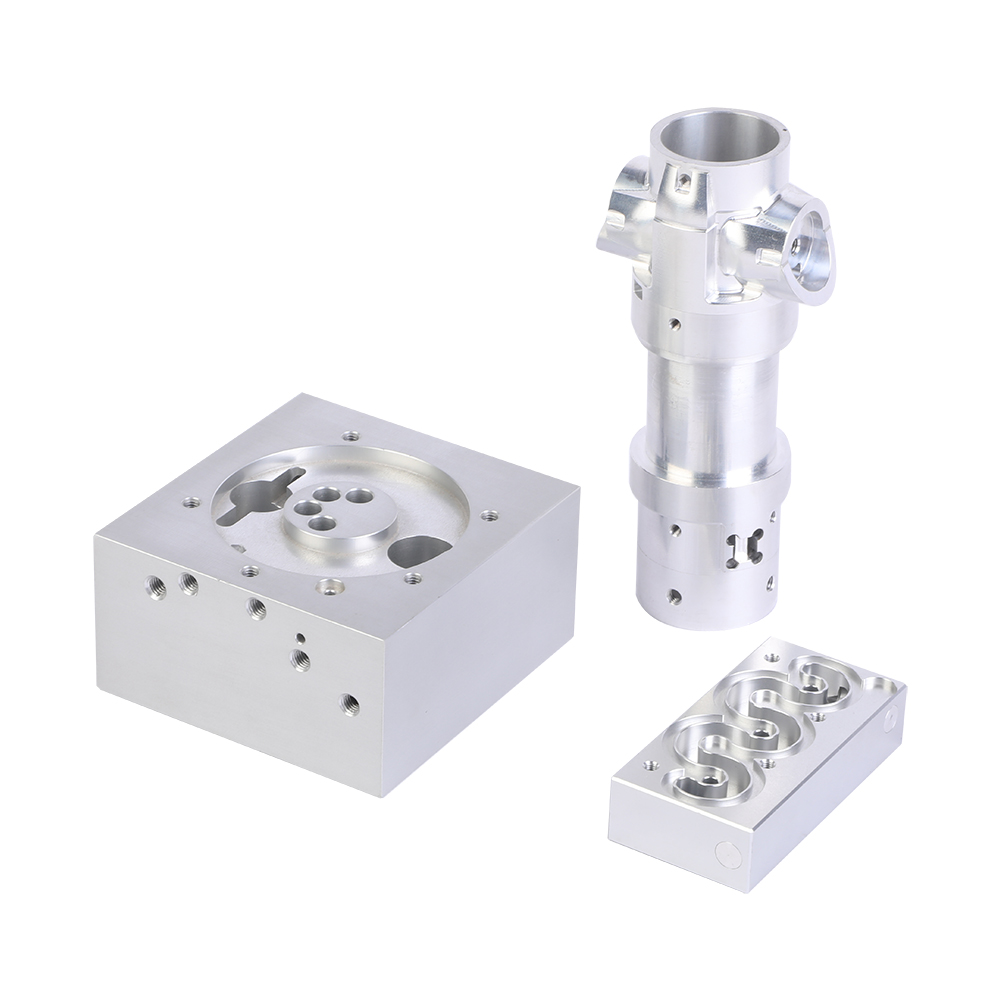
2. Automotive Industry
From manufacturing engine blocks and transmission components to intricate interior parts, CNC machines play a vital role in the automotive sector. They enable the production of parts with complex geometries and high precision, contributing to the efficiency and performance of vehicles.
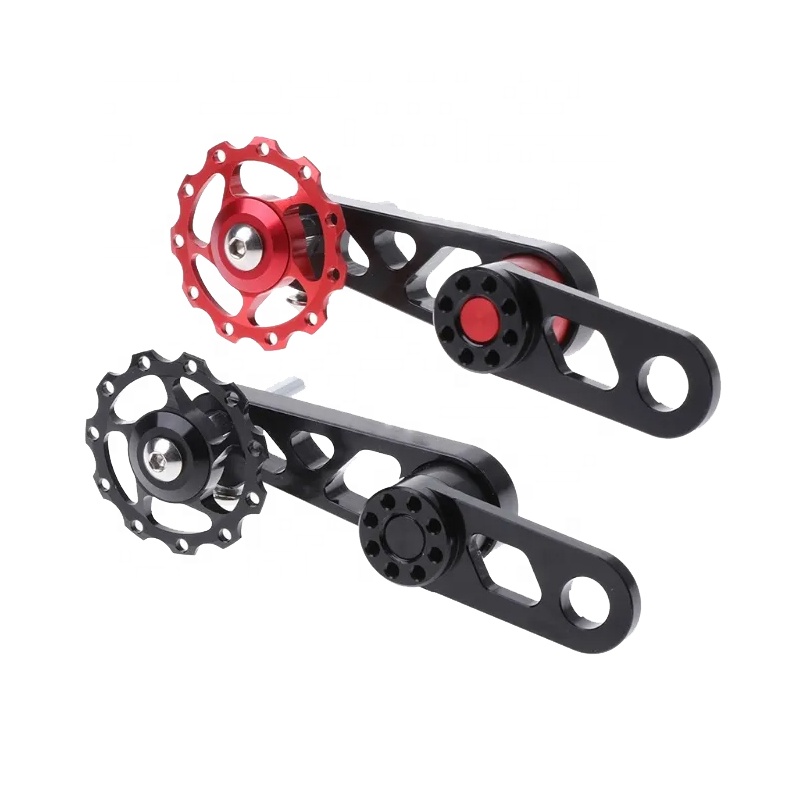
3. Medical Industry
In the medical field, CNC machines are used to create medical implants, surgical instruments, and prosthetics. The precision of CNC machining ensures that these devices fit perfectly and meet strict quality and safety standards.
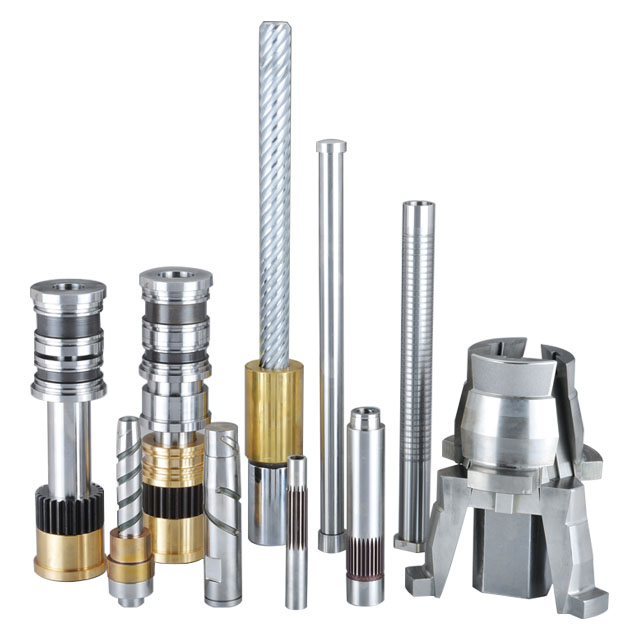
4. Woodworking and Furniture Industry
CNC machines are used to cut, shape, and carve wood for furniture production, cabinetry, and decorative items. They can create detailed designs and complex patterns with ease, increasing productivity and reducing waste.
Advantages of CNC Machines
1. High Precision and Accuracy
CNC machines can achieve extremely tight tolerances, often within a few thousandths of an inch. This level of precision is essential for producing parts that fit together perfectly and function as intended.
2. Consistency and Repeatability
Once programmed, CNC machines can produce identical parts over and over again with consistent quality. This is ideal for mass production, where uniformity across a large number of components is required.
3. Increased Productivity
CNC machines can operate continuously for long periods without the need for constant human supervision. They can also perform multiple machining operations in a single setup, significantly reducing production time compared to manual methods.
4. Flexibility
CNC machines can be quickly reprogrammed to produce different parts, making them suitable for both small-batch production and mass manufacturing. This flexibility allows manufacturers to adapt to changing market demands and product designs easily.
Conclusion
In summary, CNC machines are revolutionary devices that have transformed the manufacturing landscape. By understanding what a CNC machine is, how it works, its key components, applications, and advantages, we can appreciate the significant role it plays in modern production. Whether you're involved in manufacturing, engineering, or simply interested in advanced technology, CNC machines are an area worth exploring further.
What is a CNC Machine Used For
How to Apply DLC Coating
Related Article

Gears are the backbone of mechanical transmission systems, converting rotational motion and torque between shafts to power everything from household appliances to industrial machinery.
What are the 4 types of gears

CNC machines (Computer Numerical Control machines) have transformed manufacturing by delivering unmatched precision, repeatability, and efficiency across material types—from metals to plastics and composites.
Which Industries Mostly Use CNC Machines

CNC machining is celebrated for its precision and versatility in shaping metals, plastics, and composites—but its subtractive nature (removing material from a solid workpiece to create parts) raises a critical question: “Is CNC machining wasteful?” At first glance, the piles of metal shavings, plastic chips, and scrapped parts from CNC operations might suggest yes.
Is CNC machining wasteful
