
What is a CNC Machine Used For
2025-05-25
What is a CNC Machine Used For?
In the realm of modern manufacturing, Computer Numerical Control (CNC) machines have become indispensable tools. But what is a CNC machine used for exactly? These advanced automated devices, controlled by computer programs, have found applications across a wide spectrum of industries, revolutionizing production processes with their precision, consistency, and versatility. This blog will delve into the key areas where CNC machines are utilized, highlighting their significance in shaping our world.
The Basics of CNC Machines
Before exploring their applications, it's essential to have a brief understanding of what a CNC machine is. A CNC machine operates based on pre-programmed instructions, usually in the form of G-code or M-code, generated from designs created using Computer-Aided Design (CAD) and Computer-Aided Manufacturing (CAM) software. Instead of relying on manual operation, these machines use motors, sensors, and control systems to execute tasks with extreme accuracy, making them ideal for complex and repetitive machining operations.
CNC Machines in the Aerospace Industry
Precision Component Manufacturing
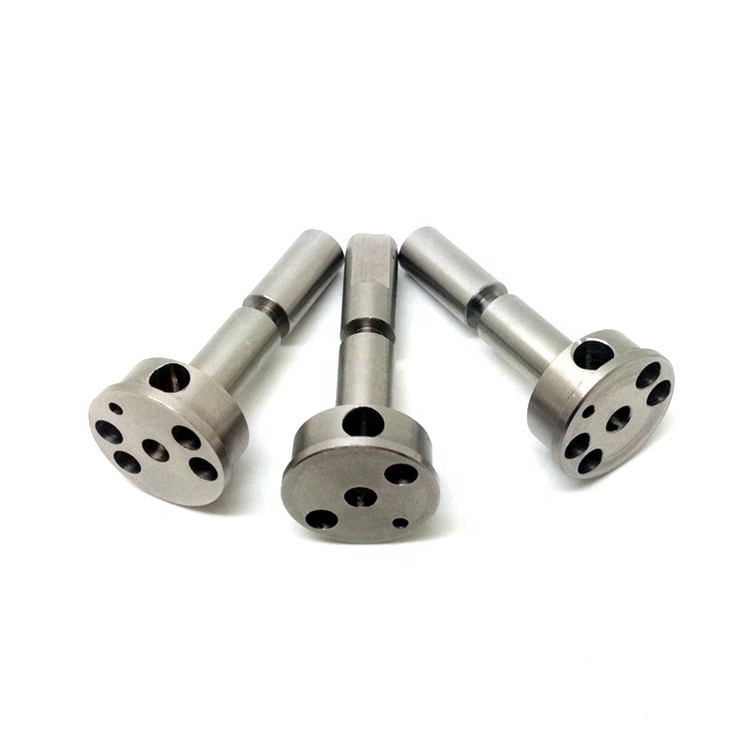
One of the primary applications of CNC machines in the aerospace industry is the production of precision components. Aircraft engines, for instance, require parts like turbine blades, compressor disks, and engine mounts with incredibly tight tolerances. CNC machining ensures that these components are fabricated to exact specifications, enabling engines to operate efficiently and safely at high speeds and altitudes. The ability to create complex geometries with high precision is crucial, as even the slightest deviation can impact the performance and safety of an aircraft.
Lightweight Structure Fabrication
Aerospace manufacturers also use CNC machines to fabricate lightweight structures. With the increasing demand for fuel-efficient aircraft, materials like carbon fiber composites are widely used. CNC routers and mills can precisely cut and shape these composites, reducing material waste and ensuring that the structures are both strong and lightweight. This not only improves the aircraft's performance but also contributes to reducing fuel consumption and emissions.
Applications in the Automotive Industry
Engine and Transmission Component Production
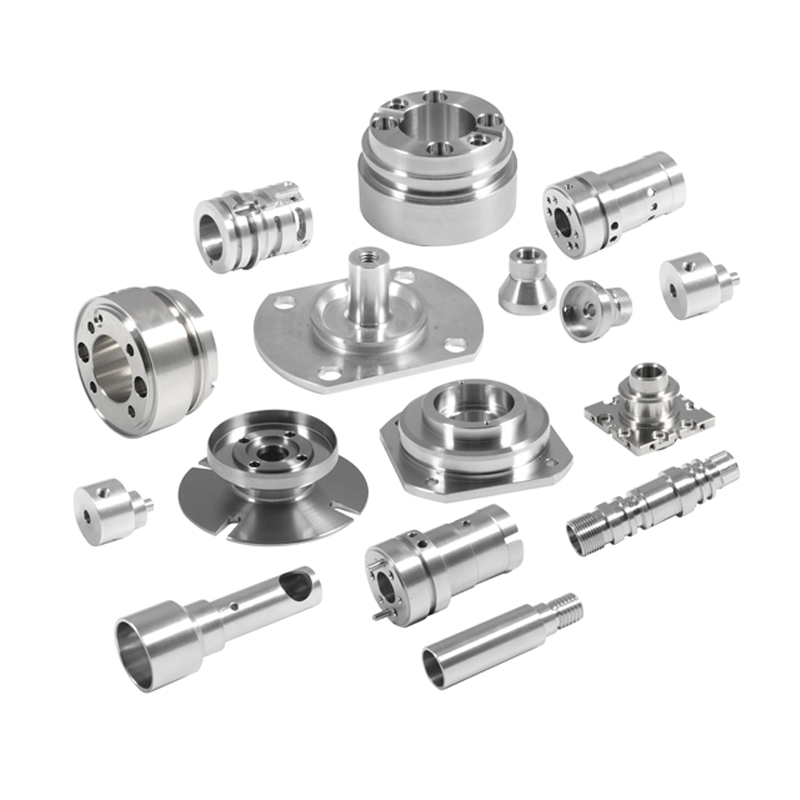
In the automotive sector, CNC machines play a vital role in manufacturing engine and transmission components. Cylinder heads, crankshafts, and transmission gears are some of the parts that are produced using CNC machining. The high level of accuracy provided by these machines ensures that the components fit together seamlessly, optimizing engine performance and reducing friction. Additionally, CNC machines can quickly switch between producing different parts, enabling automotive manufacturers to respond to changing production demands efficiently.
Custom and Prototyping Work
CNC machines are also invaluable for custom automotive projects and prototyping. Designers can quickly create prototypes of new car parts or custom modifications using CNC machining. This allows for rapid testing and iteration, reducing the time and cost associated with traditional prototyping methods. Whether it's a one-off custom part for a high-performance vehicle or a new component for a concept car, CNC machines offer the flexibility and precision needed to bring ideas to life.
Role in the Medical Industry
Surgical Instrument Manufacturing
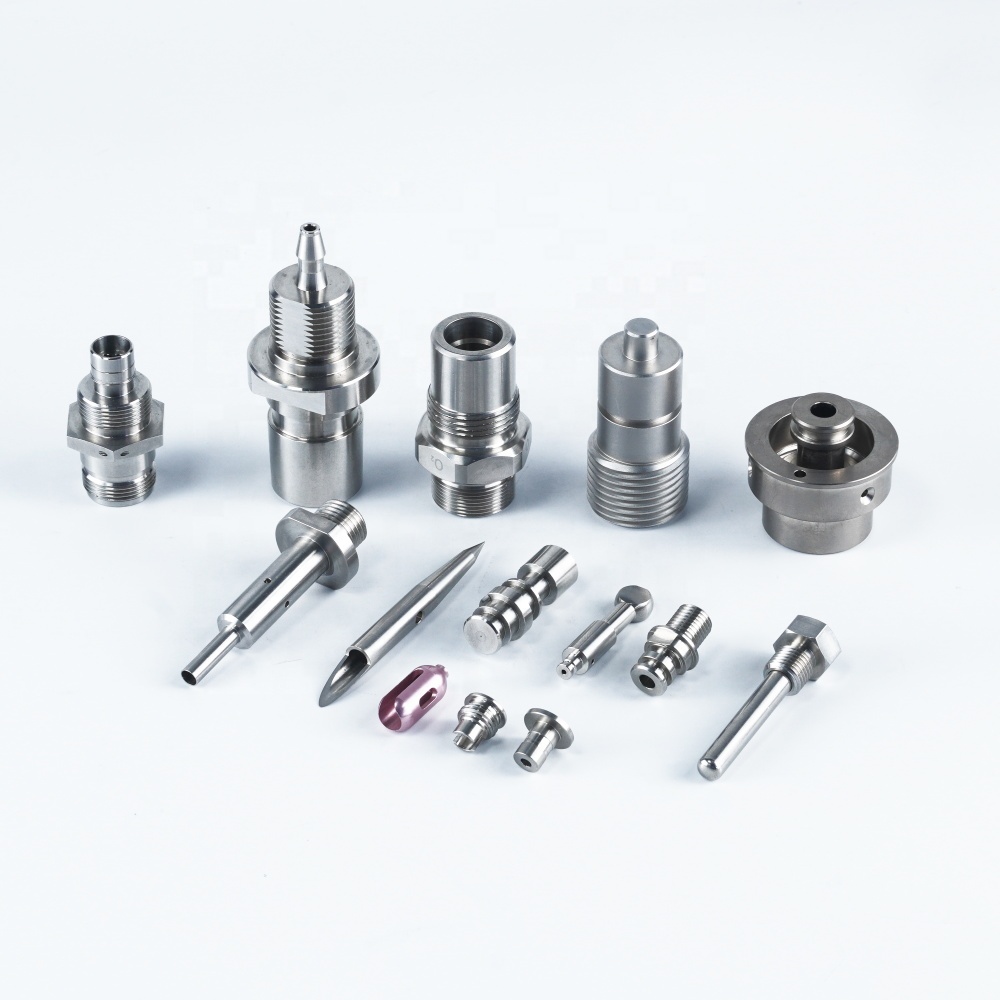
CNC machines are extensively used in the production of surgical instruments. Scalpels, forceps, and drills require high precision and smooth surfaces to ensure safe and effective use during surgeries. CNC machining can produce these instruments with tight tolerances and excellent surface finishes, meeting the strict quality and hygiene standards of the medical industry. The repeatability of CNC machines also guarantees that each instrument is consistent in quality, reducing the risk of errors during procedures.
Medical Implant Fabrication
Another crucial application is the fabrication of medical implants. Hip replacements, knee implants, and dental implants need to be customized to fit each patient's unique anatomy. CNC machines can precisely machine implants from biocompatible materials like titanium, ensuring a perfect fit and minimizing the risk of rejection. The ability to create complex shapes and intricate designs allows for the production of implants that integrate better with the patient's body, improving long-term outcomes.
Use in the Woodworking and Furniture Industry
Custom Furniture Design
In woodworking, CNC machines have transformed the way custom furniture is designed and produced. Woodworkers can use CNC routers to cut intricate patterns, carve detailed designs, and shape wood components with precision. This enables the creation of unique and personalized furniture pieces that were previously difficult or time-consuming to make by hand. Whether it's a custom-built dining table with elaborate inlays or a set of cabinets with complex joinery, CNC machines make the production process more efficient and accurate.
Mass Production of Wood Products
For mass production of wood products such as doors, windows, and flooring, CNC machines offer high productivity and consistency. These machines can quickly cut large quantities of wood to the exact dimensions, reducing waste and ensuring that each piece is identical. The use of CNC machines in the woodworking industry has not only increased production speed but also improved the overall quality of the finished products.
Conclusion
In conclusion, the answer to what is a CNC machine used for is vast and varied. From the aerospace and automotive industries to the medical field and woodworking, CNC machines have become essential tools for manufacturing high-quality, precision components. Their ability to perform complex tasks with accuracy, consistency, and flexibility has made them indispensable in modern production processes. As technology continues to advance, we can expect to see even more innovative applications of CNC machines in the future, further enhancing their role in shaping the manufacturing landscape.
What is CNC Turning
What is a CNC Machine
Related Article

Gears are the backbone of mechanical transmission systems, converting rotational motion and torque between shafts to power everything from household appliances to industrial machinery.
What are the 4 types of gears

CNC machines (Computer Numerical Control machines) have transformed manufacturing by delivering unmatched precision, repeatability, and efficiency across material types—from metals to plastics and composites.
Which Industries Mostly Use CNC Machines

CNC machining is celebrated for its precision and versatility in shaping metals, plastics, and composites—but its subtractive nature (removing material from a solid workpiece to create parts) raises a critical question: “Is CNC machining wasteful?” At first glance, the piles of metal shavings, plastic chips, and scrapped parts from CNC operations might suggest yes.
Is CNC machining wasteful
