
What is 5 Axis CNC Machining
2025-08-04
What is 5 Axis CNC Machining?
In the world of manufacturing, precision and efficiency are paramount. Over the years, machining technologies have evolved significantly, and one of the most advanced and versatile methods available today is 5 axis CNC machining. But what exactly is it, and how does it differ from other machining processes? This blog will delve into the details of 5 axis CNC machining, exploring its definition, working principles, applications, advantages, and more.
Understanding 5 Axis CNC Machining
Definition of 5 Axis CNC Machining
5 axis CNC machining refers to a computer - numerical control (CNC) machining process that allows a cutting tool or workpiece to move along five different axes simultaneously. These axes are typically three linear axes (X, Y, Z) and two rotational axes (A, B, or C, depending on the machine configuration). This multi - axis movement enables the machine to approach the workpiece from multiple angles, making it possible to produce complex and intricate parts with high precision.
How it Differs from Other Axis Configurations
Compared to 3 axis CNC machining, which only moves along the X, Y, and Z linear axes, 5 axis machining offers far greater flexibility. In 3 axis machining, the cutting tool can only approach the workpiece from a limited number of directions, making it challenging to machine complex geometries. 4 axis machining adds one rotational axis, which improves the ability to machine parts with certain curved or angular features, but it still falls short of the versatility of 5 axis machining. With five axes, the machine can manipulate the workpiece or tool in such a way that even the most complex shapes can be machined in a single setup.
The Working Principles of 5 Axis CNC Machining
The Five Axes Explained
- X - axis: This is the horizontal axis that runs left and right relative to the workpiece. Movement along the X - axis changes the position of the tool or workpiece in the horizontal plane.
- Y - axis: It is the horizontal axis perpendicular to the X - axis, running front and back. Together with the X - axis, it allows for movement within the horizontal plane.
- Z - axis: The vertical axis, moving up and down. This axis controls the depth of the cut.
- Rotational axes (A, B, or C): These axes enable rotation. For example, the A - axis might rotate the workpiece around the X - axis, the B - axis around the Y - axis, and the C - axis around the Z - axis. The specific configuration varies by machine, but the goal is to provide additional rotational freedom.
How the Axes Work Together
The key to 5 axis CNC machining is the coordinated movement of all five axes. The CNC controller, which is programmed with the part's design specifications, calculates the precise movements of each axis to ensure that the cutting tool maintains the correct orientation and position relative to the workpiece at all times. This simultaneous movement allows for continuous cutting, reducing the need for multiple setups and minimizing errors that can occur when repositioning the workpiece.
Applications of 5 Axis CNC Machining
Aerospace Industry
The aerospace industry demands parts with extremely high precision and complex geometries, such as turbine blades, engine components, and structural parts. 5 axis CNC machining is ideal for producing these parts because it can handle the intricate shapes and tight tolerances required. For example, turbine blades have curved surfaces and complex airfoils that can only be accurately machined using 5 axis technology.
Automotive Industry
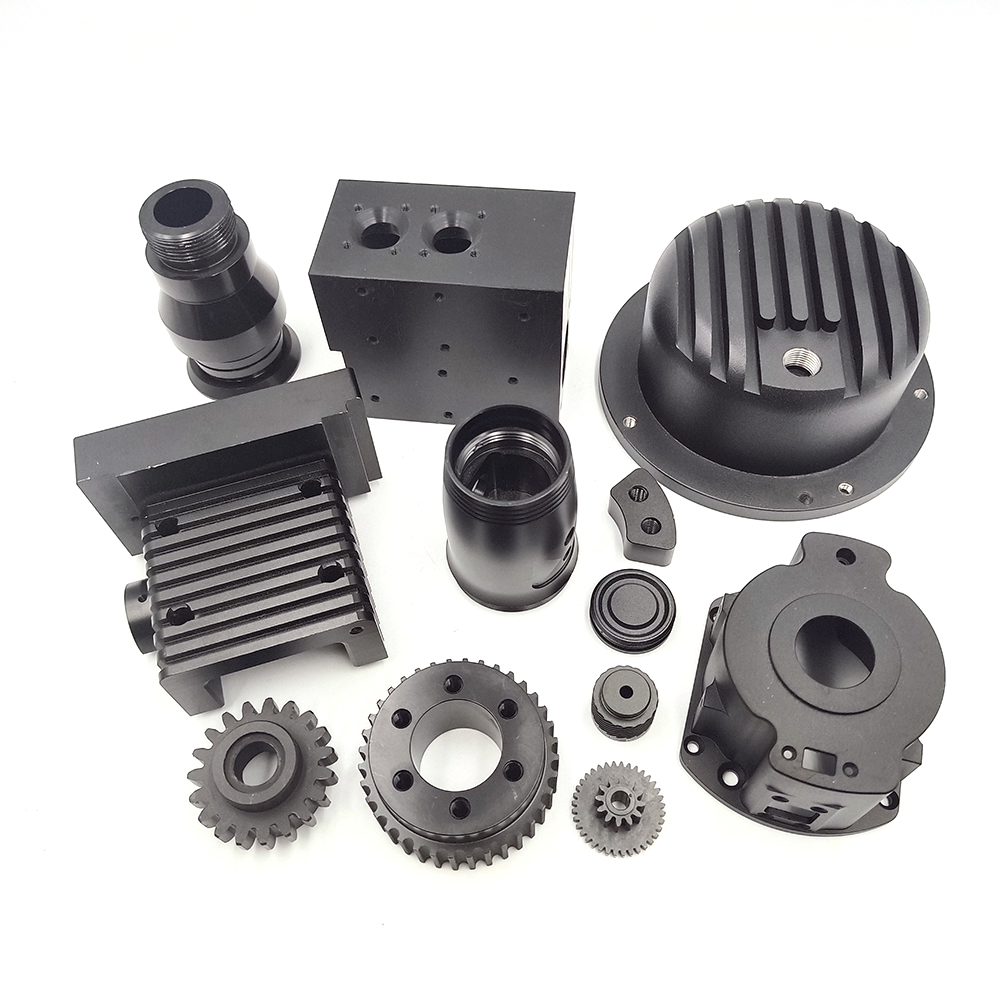
In the automotive sector, 5 axis machining is used to manufacture a wide range of parts, including cylinder heads, gearboxes, and suspension components. It allows for the production of lightweight and high - strength parts, which contribute to improved fuel efficiency and vehicle performance. The ability to machine complex shapes also helps in reducing the number of parts in an assembly, simplifying the manufacturing process.
Medical Industry
The medical industry relies on 5 axis CNC machining to produce precision medical devices and implants, such as orthopedic implants, surgical instruments, and dental prosthetics. These parts often have complex shapes that must fit perfectly with the human body, requiring high precision and biocompatible materials. 5 axis machining can work with materials like titanium and stainless steel, which are commonly used in medical applications.
Mold and Die Making
Mold and die making requires the production of complex cavities and cores. 5 axis CNC machining enables manufacturers to create these intricate shapes with high accuracy, ensuring that the molds and dies produce consistent and high - quality parts. It also reduces the time and cost associated with mold making by allowing for more efficient machining.
Advantages of 5 Axis CNC Machining
High Precision
5 axis CNC machining offers exceptional precision, with tolerances often as tight as ±0.001 inches. This level of precision is crucial for manufacturing parts that require a perfect fit and function, such as those used in aerospace and medical applications. The coordinated movement of the axes ensures that the cutting tool follows the exact path specified in the design, resulting in accurate and consistent parts.
Increased Efficiency
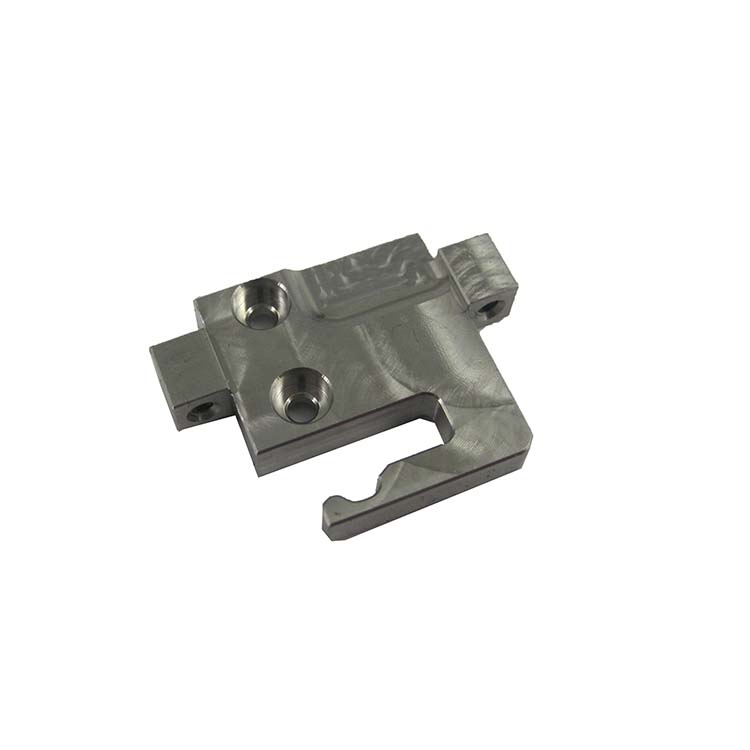
By allowing for the machining of complex parts in a single setup, 5 axis CNC machining significantly reduces the time and labor involved in the manufacturing process. There is no need to repeatedly reposition the workpiece, which saves time and minimizes the risk of errors. Additionally, the continuous cutting action of 5 axis machines allows for faster material removal, increasing productivity.
Versatility in Machining Complex Shapes
One of the biggest advantages of 5 axis CNC machining is its ability to machine complex shapes that would be impossible or extremely difficult to produce with other machining methods. Whether it's a curved surface, a complex cavity, or an angular feature, 5 axis machines can handle it with ease. This versatility opens up new possibilities for part design, allowing engineers to create more innovative and efficient products.
Reduced Setup Time
As mentioned earlier, 5 axis machining eliminates the need for multiple setups. This not only saves time but also reduces the chance of errors that can occur when moving the workpiece from one machine to another. With a single setup, the entire part can be machined, which streamlines the manufacturing process and improves overall efficiency.
FAQ
What materials can be machined using 5 axis CNC?
5 axis CNC machining can work with a wide range of materials, including metals (such as aluminum, steel, titanium, and brass), plastics (like ABS, PEEK, and nylon), composites, and even some ceramics. The choice of material depends on the specific application and the requirements of the part.
Is 5 axis CNC machining more expensive than other machining methods?
Yes, 5 axis CNC machining is generally more expensive than 3 axis or 4 axis machining. The machines themselves are more complex and costly, and the programming and setup require more expertise. However, the increased efficiency, precision, and versatility often make it a cost - effective option for producing complex parts in large quantities or with tight tolerances.
How long does it take to program a 5 axis CNC machine?
The programming time for a 5 axis CNC machine depends on the complexity of the part and the experience of the programmer. Simple parts may take a few hours to program, while complex parts can take several days or even weeks. Advanced CAD/CAM software is used to generate the toolpaths and program the machine, which helps to streamline the programming process.
What are the limitations of 5 axis CNC machining?
One limitation is the higher cost of the machines and the associated programming and setup. Additionally, 5 axis machining requires more skilled operators and programmers than other methods. The machines also have a larger footprint, which can be a problem in smaller manufacturing facilities. Finally, for very simple parts, 5 axis machining may be overkill and not cost - effective.
Can 5 axis CNC machining be used for prototyping?
Yes, 5 axis CNC machining is well - suited for prototyping. It allows for the quick production of complex prototypes with high precision, which is essential for testing and validating part designs. The ability to machine prototypes in a single setup also reduces the time between design and testing, accelerating the product development process.
What is Gravity Casting
How to Drill a Perfect Hole in a Sprocket
Related Article

Gears are the backbone of mechanical transmission systems, converting rotational motion and torque between shafts to power everything from household appliances to industrial machinery.
What are the 4 types of gears

CNC machines (Computer Numerical Control machines) have transformed manufacturing by delivering unmatched precision, repeatability, and efficiency across material types—from metals to plastics and composites.
Which Industries Mostly Use CNC Machines

CNC machining is celebrated for its precision and versatility in shaping metals, plastics, and composites—but its subtractive nature (removing material from a solid workpiece to create parts) raises a critical question: “Is CNC machining wasteful?” At first glance, the piles of metal shavings, plastic chips, and scrapped parts from CNC operations might suggest yes.
Is CNC machining wasteful
