
What Are Worm and Wheel Gears Used For
2025-06-20

What Are Worm and Wheel Gears Used For?
In the intricate world of mechanical engineering, worm and wheel gears have carved out a niche for themselves with their unique design and functionality. These gears are not just another component in the vast array of mechanical systems; they are essential for a multitude of applications, thanks to their ability to provide high gear ratios, self - locking capabilities, and smooth motion transmission. This blog post will take you on an in - depth exploration of what worm and wheel gears are used for, uncovering their diverse applications across various industries.
The Basics of Worm and Wheel Gears: A Quick Recap
Structure and Working Principles
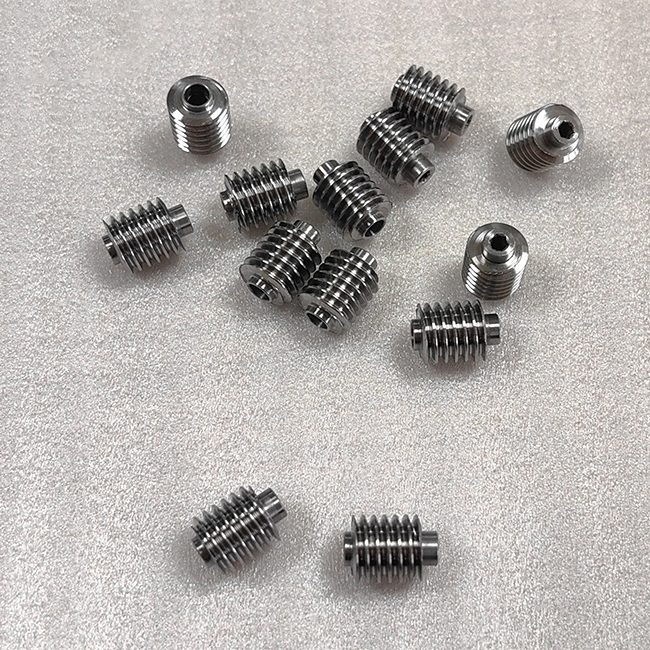
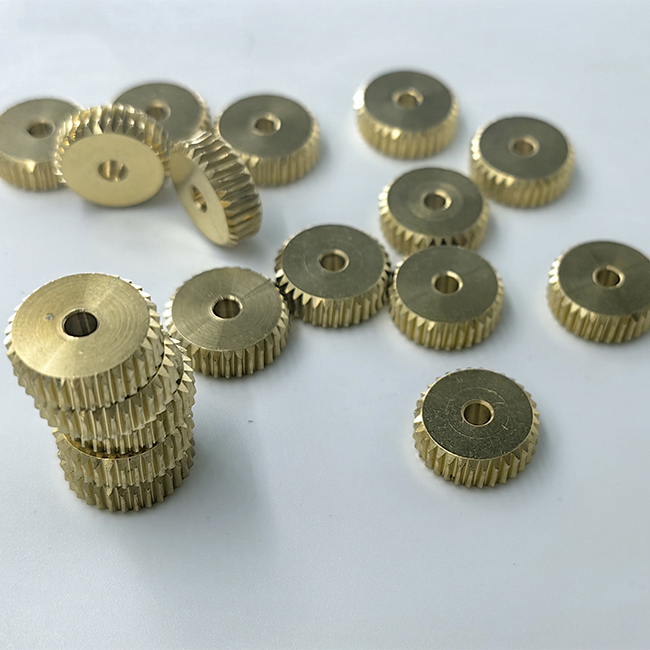
Before delving into their applications, it's important to understand the fundamentals of worm and wheel gears. A worm and wheel gear system consists of two main components: the worm, which resembles a screw with a helical thread, and the worm wheel, a gear with teeth shaped to mesh with the worm's thread. When the worm rotates, its thread engages with the worm wheel's teeth, causing the worm wheel to turn in a perpendicular direction. This mechanism allows for the transmission of motion and power between non - intersecting, perpendicular shafts.
One of the key features of worm and wheel gears is their ability to offer high gear ratios in a relatively compact space. The gear ratio is determined by the number of teeth on the worm wheel and the number of starts (threads) on the worm. Additionally, many worm and wheel gear systems possess a self - locking property, which prevents the worm wheel from back - driving the worm, ensuring safety and stability in certain applications.
Industrial Applications of Worm and Wheel Gears
Conveyor Systems
In the industrial sector, conveyor systems are the backbone of material handling. Worm and wheel gears play a crucial role in these systems, powering the movement of belts or chains that transport raw materials, work - in - progress, and finished products. The high gear ratio of worm and wheel gears enables significant speed reduction, which is essential for controlling the movement of heavy loads at a steady pace. For example, in a large - scale manufacturing plant, worm and wheel gears are used to drive conveyor belts that carry heavy metal components from one production station to another. The self - locking feature also ensures that the conveyor belt remains stationary when the power is turned off, preventing any accidental movement of the materials.
Industrial Mixers and Agitators
Industrial mixers and agitators are used to blend, mix, or stir various substances in industries such as food processing, pharmaceuticals, and chemicals. Worm and wheel gears are commonly employed in these machines to provide the necessary torque to rotate the mixing blades or agitators. The smooth and quiet operation of worm and wheel gears is particularly beneficial in applications where the quality of the mixture is crucial, as excessive vibrations or noise could affect the final product. The high gear ratio allows for slow and controlled rotation, ensuring thorough mixing without causing damage to the substances being processed.
Lifting and Hoisting Equipment
Worm and wheel gears are widely used in lifting and hoisting equipment, such as cranes, winches, and elevators. The self - locking property of these gears is of utmost importance in these applications, as it ensures the safety of the equipment and the operators. Once the load is lifted to a certain height, the self - locking mechanism prevents the worm wheel from rotating backward, keeping the load securely in place even in the event of a power failure or mechanical malfunction. The high torque output of worm and wheel gears also enables them to handle heavy loads with ease, making them an ideal choice for industrial lifting operations.
Transportation Applications
Automotive Steering Systems
In the automotive industry, worm and wheel gears are used in some steering systems. The high gear ratio of worm and wheel gears helps to increase the force applied by the driver on the steering wheel, making it easier to turn the wheels, especially at low speeds. The self - locking feature ensures that the steering wheel remains in the desired position, providing stability and control to the driver. Although more modern vehicles often use other types of steering mechanisms, worm and wheel gears are still found in some older models and certain specialized vehicles.
Small - Scale Marine Vessels
Worm and wheel gears are also utilized in small - scale marine vessels, such as sailboats and motorboats. They are used in the steering systems and in the mechanisms that control the movement of various components, such as winches for raising and lowering sails or anchors. The compact size and high torque - generating capability of worm and wheel gears make them suitable for the limited space on boats, while their durability allows them to withstand the harsh marine environment.
Consumer Electronics Applications
Cameras and Optical Equipment
In consumer electronics, worm and wheel gears are employed in cameras and other optical equipment. For instance, in high - end cameras, worm and wheel gears are used to control the zoom and focus mechanisms. The smooth and precise motion transmission provided by these gears ensures that the camera lens can be adjusted accurately, allowing photographers to capture sharp and clear images. The quiet operation of worm and wheel gears is also important in this application, as any noise could disrupt the shooting process, especially in quiet environments such as during wildlife photography or video recording.
Robotic Vacuum Cleaners
Robotic vacuum cleaners have become increasingly popular in recent years, and worm and wheel gears play a vital role in their operation. These gears are used to drive the wheels of the vacuum cleaners, enabling them to move across different types of surfaces, including carpets, hard floors, and rugs. The high torque output of worm and wheel gears allows the robotic vacuum cleaners to overcome obstacles and clean effectively, while the self - locking feature helps to keep the vacuum in place when it stops or changes direction.
Other Specialized Applications
Printing Machinery
In the printing industry, worm and wheel gears are used in various printing machines, such as offset presses and digital printers. They are used to control the movement of the printing plates, the feeding of paper, and the rotation of the rollers. The precise motion control provided by worm and wheel gears ensures that the printing process is accurate and consistent, resulting in high - quality printed products. The ability to handle high loads and operate smoothly also makes them suitable for the continuous and demanding operation of printing machinery.
Medical Equipment
Worm and wheel gears are also found in some medical equipment, such as surgical robots, dental chairs, and hospital beds. In surgical robots, these gears are used to control the movement of the robotic arms, providing the necessary precision and stability for minimally invasive surgeries. In dental chairs and hospital beds, worm and wheel gears are used to adjust the position of the chairs and beds, allowing for patient comfort and ease of use. The smooth and quiet operation of these gears is crucial in a medical setting, as it helps to create a calm and stress - free environment for patients.
Worm and wheel gears have a wide range of applications across diverse industries, from heavy - duty industrial machinery to delicate consumer electronics and specialized medical equipment. Their unique combination of high gear ratios, self - locking capabilities, smooth operation, and compact size makes them an indispensable component in many mechanical systems. As technology continues to evolve, we can expect to see even more innovative uses of worm and wheel gears, further expanding their reach and importance in the world of engineering and manufacturing. Whether it's moving heavy loads in a factory, steering a vehicle, or adjusting the focus on a camera, worm and wheel gears are quietly but effectively working behind the scenes to make our lives easier and more efficient.
What Is a Gear
What is a Worm and Wheel Gear
Related Article

Gears are the backbone of mechanical transmission systems, converting rotational motion and torque between shafts to power everything from household appliances to industrial machinery.
What are the 4 types of gears

CNC machines (Computer Numerical Control machines) have transformed manufacturing by delivering unmatched precision, repeatability, and efficiency across material types—from metals to plastics and composites.
Which Industries Mostly Use CNC Machines

CNC machining is celebrated for its precision and versatility in shaping metals, plastics, and composites—but its subtractive nature (removing material from a solid workpiece to create parts) raises a critical question: “Is CNC machining wasteful?” At first glance, the piles of metal shavings, plastic chips, and scrapped parts from CNC operations might suggest yes.
Is CNC machining wasteful
