
Serpentine Belt vs. Timing Belt
2025-07-25
Serpentine Belt vs. Timing Belt
Under the hood of your car, two belts work tirelessly to keep things running—but they’re far from interchangeable. The serpentine belt and timing belt each have unique roles, and mixing up their purposes can lead to expensive mistakes. Whether you’re a new car owner or a DIY enthusiast, knowing how these belts differ is key to proper maintenance. In this guide, we’ll break down their functions, designs, and maintenance needs to help you tell them apart.
Defining the Basics: What Are These Belts?
Before comparing them, let’s clarify what each belt is and why it exists. While both are made of rubber and driven by the engine, their jobs couldn’t be more different.
What Is a Serpentine Belt?
The serpentine belt (also called a multi-rib belt) is a single, continuous rubber belt with longitudinal ribs on its inner surface. It’s named for its “serpentine” path—snaking around multiple pulleys connected to various engine accessories. Introduced in the 1980s, it replaced older systems that used multiple V-belts (each driving one accessory), simplifying engine design.
Its primary role? Transferring rotational power from the engine’s crankshaft pulley to critical accessories like the alternator, power steering pump, air conditioning compressor, water pump, and sometimes the radiator fan. Without it, these accessories can’t function.
What Is a Timing Belt?
The timing belt is a toothed rubber belt (or, in some cars, a metal timing chain) that synchronizes the rotation of the engine’s crankshaft and camshaft(s). This synchronization ensures the engine’s valves open and close exactly when the pistons are in the right position during the combustion cycle. Think of it as the “conductor” of the engine’s internal orchestra—without it, parts collide, and the whole system fails.
Unlike the serpentine belt, the timing belt is hidden under a protective cover to shield it from oil, dirt, and debris, which can damage its teeth or cause slippage.
Functional Roles: How They Keep Your Car Moving
The most important distinction between these belts lies in what they actually do for your vehicle. Let’s break down their daily jobs.
The Serpentine Belt: Powering Your Car’s Conveniences
- Accessory Powerhouse: Every time you turn the key, the crankshaft spins, and the serpentine belt uses that motion to drive accessories. The alternator, for example, relies on it to charge the battery—without which your car would die after a few miles. The power steering pump needs it to make turning the wheel easy, and the A/C compressor uses it to keep you cool in summer.
- Failure Consequences: A broken serpentine belt won’t destroy your engine, but it will disable key systems. You might lose power steering (making the wheel hard to turn), the battery will stop charging, and the water pump (if belt-driven) could quit, leading to overheating. You’ll likely need a tow, but repairs are usually affordable.
The Timing Belt: Preventing Engine Chaos
- Internal Synchronization: Inside the engine, the crankshaft (which moves the pistons) and camshaft (which controls the valves) must rotate in perfect harmony. For example, in a 4-stroke engine, the intake valve opens as the piston moves down, and the exhaust valve opens as the piston moves up. The timing belt ensures this happens—if it slips or breaks, valves and pistons collide.
- Failure Consequences: A snapped timing belt is a nightmare. With no synchronization, valves can bend, pistons can crack, and the cylinder head can warp. Repairs often cost \(2,000–\)4,000, and in some cases, the engine is beyond fixing. This is why timing belt replacement is non-negotiable.
Design and Placement: How to Tell Them Apart
Even if you’re not a mechanic, you can distinguish these belts by their looks and where they’re located under the hood.
The Serpentine Belt: Easy to Spot, Hard to Miss
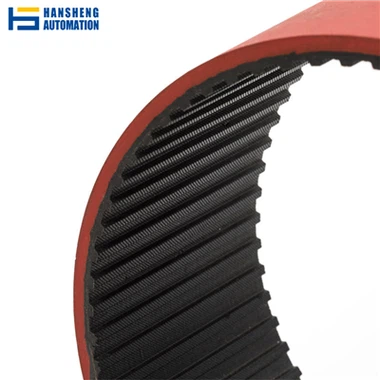
- Appearance: A long, flat belt with several thin ribs running along one side (the side that touches pulleys). The other side is smooth. Its length allows it to wrap around 5–8 pulleys (hence the “serpentine” name).
- Location: Front and center of the engine, fully exposed (no cover). Pop the hood, and you’ll likely see it snaking between the crankshaft pulley, alternator pulley, and other accessory pulleys.
- Material: Made of rubber reinforced with high-strength fibers (like aramid) to resist stretching and heat. It relies on friction (between its ribs and pulley grooves) to transfer power.
The Timing Belt: Hidden and Toothier
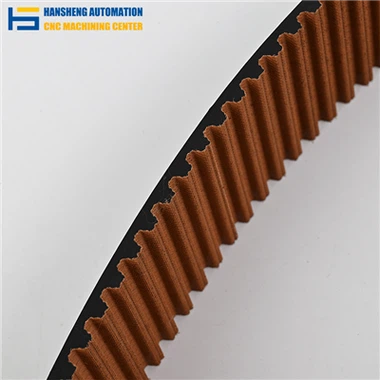
- Appearance: Thicker and shorter than the serpentine belt, with evenly spaced teeth (or notches) on its inner surface. These teeth mesh with gears on the crankshaft and camshaft, preventing slippage.
- Location: Tucked behind a plastic or metal cover at the front (or sometimes top) of the engine. You’ll need tools to remove the cover—so it’s not visible during a casual hood check.
- Material: A durable rubber compound mixed with fiberglass or Kevlar for strength. The toothed design is critical: it ensures precise, slip-free rotation, unlike the serpentine belt’s friction-based system.
Lifespan and Maintenance: When to Replace Them
Both belts wear out over time, but their replacement schedules and warning signs vary. Knowing these details can save you from breakdowns.
Serpentine Belt: Longer Life, More Visible Wear
- Replacement Interval: Typically lasts 60,000–100,000 miles, but some high-quality belts (like those in luxury vehicles) can reach 150,000 miles. Check your owner’s manual for specifics.
- Signs It Needs Replacement:
-
- Squealing or chirping sounds (especially when starting the car or using the A/C).
-
- Cracks, fraying, or glazing (a shiny, hardened surface) on the belt’s ribs or edges.
-
- Looseness (you can push it more than 1/2 inch from its resting position).
- Pro Tip: Since it’s easy to access, inspect it every 6 months. Many mechanics check it during oil changes.
Timing Belt: Shorter Lifespan, Higher Stakes
- Replacement Interval: Usually 60,000–100,000 miles, but some manufacturers (like Subaru or Honda) recommend 40,000–60,000 miles. Age matters too—rubber degrades, so replace it even if you don’t drive much.
- Signs It Needs Replacement:
-
- A faint ticking noise from the engine (caused by belt slippage).
-
- Oil leaks near the timing cover (oil breaks down rubber).
-
- Visible cracks or missing teeth (check during a professional inspection).
- Pro Tip: Replace the timing belt before it fails. Many mechanics also replace the tensioner and water pump (if belt-driven) at the same time to avoid redoing the work later.
Common Questions: Myths and Facts
Even seasoned drivers mix up these belts. Let’s clear up some confusion.
“Can I Drive Without a Serpentine Belt?”
Technically, yes—but not for long. Your car will lose power steering, the battery will die, and the engine may overheat. It’s unsafe and can cause secondary damage (like a dead battery), so don’t risk it.
“Is a Timing Belt the Same as a Serpentine Belt?”
No. The serpentine belt powers accessories; the timing belt synchronizes the engine. They’re made of similar materials but serve unrelated functions.
“If My Car Has a Timing Chain, Do I Still Need a Serpentine Belt?”
Yes. Timing chains (metal) last longer than belts but don’t replace the serpentine belt. Your car still needs the serpentine belt to run accessories.
“Should I Replace Both Belts at the Same Time?”
Only if both are due. Serpentine belts often outlast timing belts, so replacing them early wastes money. Ask your mechanic to check both during inspections.
Conclusion
The serpentine belt and timing belt may both be rubber belts under your hood, but their roles are worlds apart. The serpentine belt keeps your car’s accessories working—making drives comfortable and functional—while the timing belt ensures your engine’s internal parts don’t collide.
Knowing how to spot them, when to replace them, and what happens if they fail is key to keeping your car reliable. Whether you’re inspecting the serpentine belt during a quick hood check or scheduling a timing belt replacement, staying on top of maintenance will save you from costly repairs and unexpected breakdowns. After all, a little knowledge goes a long way in keeping your car on the road.
What is a Hypoid Gear
Is a Drive Belt the Same as a Timing Belt
Related Article

Gears are the backbone of mechanical transmission systems, converting rotational motion and torque between shafts to power everything from household appliances to industrial machinery.
What are the 4 types of gears

CNC machines (Computer Numerical Control machines) have transformed manufacturing by delivering unmatched precision, repeatability, and efficiency across material types—from metals to plastics and composites.
Which Industries Mostly Use CNC Machines

CNC machining is celebrated for its precision and versatility in shaping metals, plastics, and composites—but its subtractive nature (removing material from a solid workpiece to create parts) raises a critical question: “Is CNC machining wasteful?” At first glance, the piles of metal shavings, plastic chips, and scrapped parts from CNC operations might suggest yes.
Is CNC machining wasteful
