
How to Tell If a Timing Belt Is Bad
2025-07-18
How to Tell If a Timing Belt Is Bad?
A failing timing belt is more than a minor inconvenience—it’s a ticking time bomb for your engine. Unlike a flat tire or dead battery, a bad timing belt often gives subtle warnings before catastrophic failure. But how do you distinguish normal wear from a belt that’s about to snap? This guide breaks down the key signs of a failing timing belt, step-by-step inspection techniques, and what to do when you spot trouble. Whether you’re a seasoned DIYer or a new car owner, knowing these indicators can save you from costly engine damage.
Audible Warnings: What a Bad Timing Belt Sounds Like
Your ears are often the first clue that something’s wrong with the timing belt. These sounds, distinct from normal engine noise, signal underlying issues:
Squealing or Chirping During Startup or Acceleration
A high-pitched squeal (like a stuck piglet) typically means the belt is slipping. This happens when tension is too loose, or the belt’s rubber has glazed over from heat. The glaze reduces friction, causing the belt to slide against pulleys instead of gripping them. You’ll notice it most when cold—rubber hardens in low temperatures, worsening slippage—or when accelerating, as increased demand exposes the belt’s inability to transfer power.
Rattling or Ticking From the Front of the Engine
A rhythmic rattling (think loose change in a can) or rapid ticking points to a belt that’s fraying or misaligned. As tiny chunks of rubber or fabric wear away, the belt’s teeth can catch on pulley grooves unevenly, creating a stuttering noise. This is common in belts exposed to oil leaks—fluid softens rubber, making teeth brittle and prone to breaking off in small pieces.
Grinding or Thudding (A Late-Stage Warning)
If you hear a deep grinding or heavy thudding, the belt is likely skipping teeth or has already partially detached. This sound comes from metal pulleys scraping against the belt’s damaged edges or from the belt slapping against the timing cover as it loses tension. At this stage, failure is imminent—driving even a short distance could bend valves or damage pistons.
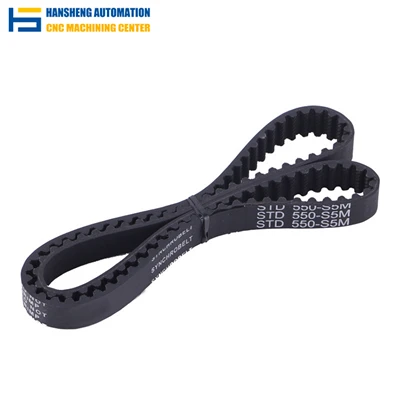
Performance Issues: How a Bad Timing Belt Affects Your Engine
A worn timing belt disrupts the precise synchronization between the crankshaft and camshaft, leading to noticeable changes in how your engine runs:
Reduced Power and Sluggish Acceleration
When the belt slips or stretches, valve timing falls out of sync. The intake valves may close too early, starving cylinders of air/fuel mixture, while exhaust valves might open late, trapping unburned gases. The result? A 10–20% drop in horsepower. You’ll feel this most when merging onto highways or climbing hills—your engine will struggle to reach higher RPMs.
Rough Idling and Misfires
A misfire occurs when a cylinder fails to ignite properly, often due to valves opening at the wrong time. A bad timing belt can cause this by:
- Making intake valves open during compression, letting uncompressed air escape.
- Delaying exhaust valve opening, leaving exhaust gases to contaminate fresh fuel.
You’ll notice the engine shaking at idle, and the check engine light will likely flash with codes like P0300 (random misfire) or P0012 (camshaft timing over-retarded).
Poor Fuel Economy
Synchronized valves ensure efficient combustion—each cylinder burns fuel completely, converting more energy into motion. A slipping timing belt throws this off: unburned fuel exits through the exhaust, wasting gas. Drivers often report a 1–3 MPG drop, with extreme cases (e.g., a belt skipping 2+ teeth) seeing 5+ MPG losses.
Visual Clues: What to Look for When Inspecting the Belt
Even if you don’t hear or feel issues, a visual inspection can reveal hidden damage. Timing belts deteriorate gradually, and catching wear early prevents failure. Here’s what to check:
Cracks, Fraying, or Splitting
Rubber timing belts (the most common type) dry out over time, especially in hot climates. Look for:
- Fine cracks along the belt’s edges or between teeth—signs of age-related degradation.
- Frayed fabric (from the belt’s reinforcement layer) peeking through the rubber.
- Splits in the belt’s back (the smooth side opposite the teeth), often caused by rubbing against a misaligned pulley.
Kevlar-reinforced belts are more durable but still crack under extreme heat. If the belt looks “alligator-skinned” (deep, irregular cracks), it’s past its prime.
Glazed or Shiny Surfaces
A healthy timing belt has a matte finish. A glossy, shiny surface (glazing) means the belt has overheated, usually from slipping or a stuck tensioner. Heat breaks down rubber’s elasticity, making the belt rigid and prone to snapping. Run your finger over the surface—glazed areas feel smooth and hard, unlike the slightly textured feel of a good belt.
Oil or Coolant Contamination
Timing belts live in a clean environment—exposure to fluids spells disaster. Oil (from a leaking camshaft seal) or coolant (from a failed water pump gasket) softens rubber, causing it to swell and lose grip. Check the belt’s teeth and back for:
- Dark, sticky residue (oil) that dissolves rubber over time.
- White, chalky deposits (coolant) that dry out the belt.
Even a small leak can ruin a belt in 6–12 months, so address fluid issues immediately.
Missing or Worn Teeth
Teeth are the belt’s “grip” on pulleys. Look for:
- Chipped teeth: Caused by debris (like a rock) getting trapped between the belt and pulley.
- Worn-down teeth: The triangular shape of healthy teeth becomes rounded, reducing meshing with pulley grooves.
- Missing teeth: A clear red flag—each missing tooth throws timing off by 10–15 degrees, and 3+ missing teeth almost guarantee failure.
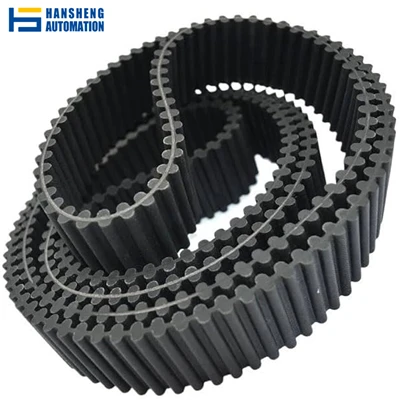
How to Inspect a Timing Belt: Step-by-Step
Inspecting the timing belt takes 30–60 minutes and requires basic tools. Follow these steps to do it safely:
1. Prepare for Inspection
- Safety first: Turn off the engine, remove the key, and disconnect the battery. Wait 2 hours for the engine to cool—hot components can burn you, and working near a warm engine risks melting plastic parts.
- Locate the timing belt cover: It’s a plastic or metal shield at the front of the engine, secured by screws or clips. Consult your vehicle’s manual for exact placement (some covers have inspection windows for quick checks).
2. Remove the Cover
- Use a screwdriver or socket set to remove the cover’s fasteners. Keep screws organized—they’re often different lengths.
- For engines with multiple covers (e.g., upper and lower), start with the upper cover to access the belt’s top section.
3. Check Belt Condition and Tension
- Examine the entire belt: Rotate the crankshaft pulley (use a socket wrench on the center bolt) to spin the belt, checking all surfaces. Note any cracks, glazing, or missing teeth.
- Test tension: Press the belt midway between two pulleys. A healthy belt should deflect 1/4–1/2 inch. Too much slack (1+ inch deflection) means a worn tensioner; too little (hardly any movement) strains the belt and pulleys.
- Look for alignment: The belt should run straight, with no edges rubbing against pulley flanges. Misalignment (belt riding off-center) causes uneven wear.
Different Stages of Timing Belt Deterioration
Timing belt failure isn’t sudden—it progresses through stages. Knowing where your belt falls helps you decide whether to replace it immediately or monitor it:
Stage 1: Early Wear (30–50% Lifespan Used)
- Signs: Minor cracks in rubber, slight glazing on 10–20% of the surface.
- Risk: Low, but start planning for replacement.
- Action: Inspect monthly; replace by the manufacturer’s recommended interval (e.g., 60,000 miles).
Stage 2: Moderate Deterioration (50–75% Lifespan Used)
- Signs: Fraying edges, multiple cracks, noticeable glazing, occasional squealing.
- Risk: Medium—failure possible within 6–12 months.
- Action: Replace soon, even if under the mileage limit. Don’t delay if you drive an interference engine.
Stage 3: Severe Damage (75%+ Lifespan Used)
- Signs: Missing teeth, deep splits, constant rattling, performance issues.
- Risk: High—failure likely within weeks or days.
- Action: Stop driving the vehicle. Have it towed to a mechanic for immediate replacement.
What Causes Timing Belts to Go Bad?
Understanding root causes helps prevent premature wear:
- Age and Heat: Rubber breaks down over time, even if the car sits unused. A 5-year-old belt (regardless of mileage) is at risk, especially in engines that run hot (e.g., turbocharged models).
- Oil/Coolant Leaks: Fluids degrade rubber—even a small leak from a camshaft seal can soak the belt, leading to cracks within 6 months.
- Misalignment: Bent pulleys or a loose tensioner make the belt rub against metal, wearing edges and causing fraying.
- Over-Tensioning: A tensioner that’s too tight strains the belt, leading to glazing and premature failure.
What to Do When You Confirm a Bad Timing Belt
If inspection or symptoms confirm your timing belt is bad, act quickly:
For Interference Engines
These engines (e.g., most Hondas, Toyotas, and VWs) risk valve-piston collisions. Do not drive the car—even a short trip can bend valves, costing \(1,500–\)4,000 in repairs. Have it towed to a shop for immediate replacement.
For Non-Interference Engines
While less risky, a failing belt can still leave you stranded. Replace it at the first convenience, ideally within a week. Ask the mechanic to check related parts: tensioner, idler pulleys, and water pump (if belt-driven). Replacing these together saves labor costs later.
Replacement Costs
- DIY: \(50–\)150 for parts (belt, tensioner, gaskets). Requires mechanical skill and tools.
- Professional: \(300–\)800 (includes parts and labor). Worth it for precision—misalignment during installation shortens belt life.
Conclusion: Don’t Ignore the Warning Signs
A bad timing belt rarely announces itself with a loud snap—it sends subtle signals: a squeal here, a misfire there, a drop in MPG. By learning to recognize these clues and inspecting the belt regularly, you can avoid the stress and expense of sudden failure.
Remember: Timing belts are cheap compared to engine repairs. Whether you drive an old beater or a new SUV, treating belt maintenance as a priority keeps your engine running smoothly—and saves you from a roadside disaster. If in doubt, err on the side of caution. A 30-minute inspection today could prevent a $3,000 repair tomorrow.
How to Install a Timing Belt
What Do Timing Belts Do
Related Article

Gears are the backbone of mechanical transmission systems, converting rotational motion and torque between shafts to power everything from household appliances to industrial machinery.
What are the 4 types of gears

CNC machines (Computer Numerical Control machines) have transformed manufacturing by delivering unmatched precision, repeatability, and efficiency across material types—from metals to plastics and composites.
Which Industries Mostly Use CNC Machines

CNC machining is celebrated for its precision and versatility in shaping metals, plastics, and composites—but its subtractive nature (removing material from a solid workpiece to create parts) raises a critical question: “Is CNC machining wasteful?” At first glance, the piles of metal shavings, plastic chips, and scrapped parts from CNC operations might suggest yes.
Is CNC machining wasteful
