
How is DLC Coating Applied
2025-05-23
How is DLC Coating Applied?
Diamond - Like Carbon (DLC) coating has gained significant popularity across various industries due to its exceptional properties, such as high hardness, low friction, and excellent wear resistance. But how exactly is this remarkable coating applied? In this blog, we'll delve into the process of applying DLC coating and explore the surface treatment techniques involved.
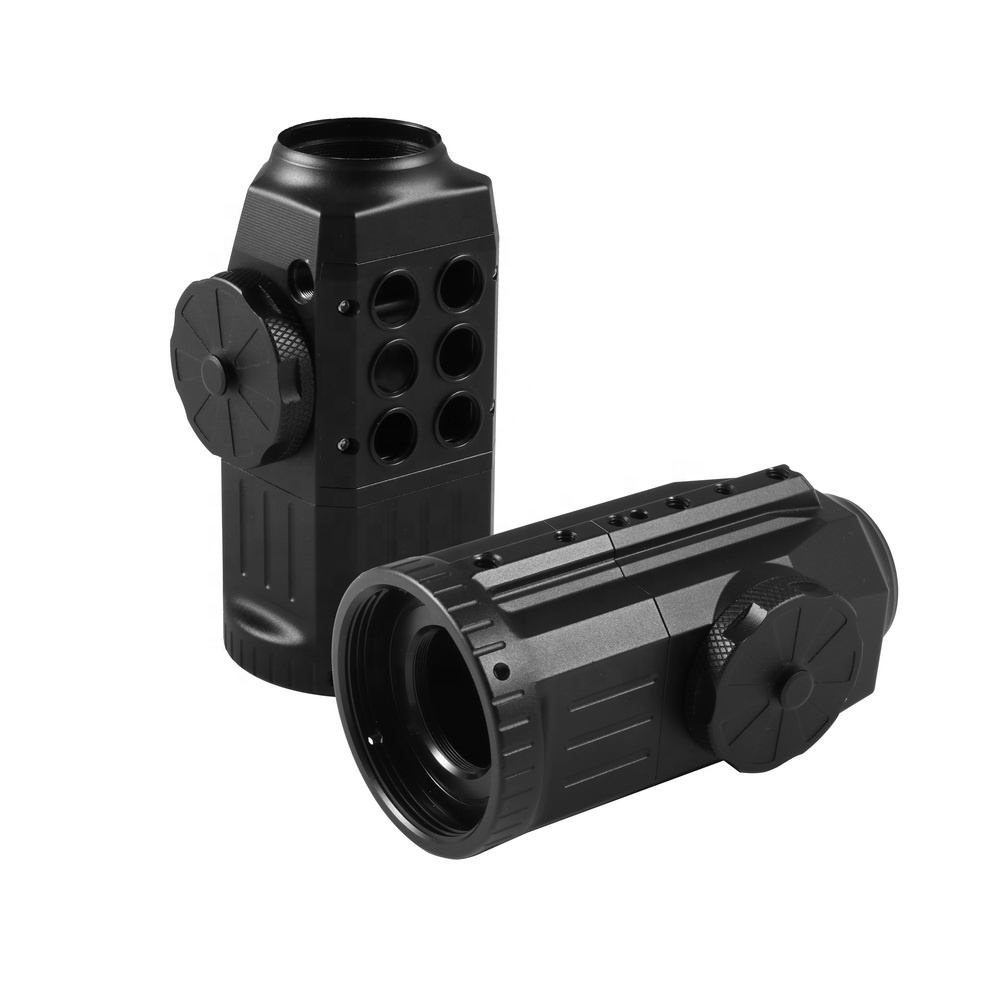
Understanding DLC Coating and Its Significance
DLC is a metastable form of amorphous carbon that exhibits some of the desirable properties of diamond, including high hardness and chemical inertness. This type of coating can enhance the performance and lifespan of components in numerous applications, from automotive parts to cutting tools and even in the medical field. By reducing friction, it can improve efficiency, decrease energy consumption, and prevent wear and tear on surfaces.
Preparing the Substrate for DLC Coating
Before applying the DLC coating, proper substrate preparation is crucial. The first step is cleaning the substrate thoroughly to remove any contaminants, such as dirt, oil, grease, or oxidation layers. This can be achieved through various methods, including solvent cleaning, ultrasonic cleaning, and plasma cleaning. Solvent cleaning uses chemicals to dissolve and remove organic contaminants, while ultrasonic cleaning uses high - frequency sound waves to agitate a cleaning solution and dislodge particles. Plasma cleaning, on the other hand, uses a plasma discharge to clean and activate the surface of the substrate.
After cleaning, the substrate may need to be pretreated to improve the adhesion of the DLC coating. This can involve processes like sputter - etching, where a high - energy ion beam is used to remove a thin layer of the substrate surface, creating a rougher surface for better coating adhesion.
Common Techniques for Applying DLC Coating
Physical Vapor Deposition (PVD)
PVD is one of the most widely used methods for applying DLC coatings. In this process, a carbon - containing target material is vaporized in a vacuum chamber. This can be done through methods such as magnetron sputtering or ion plating. In magnetron sputtering, a magnetic field is used to trap electrons near the target surface, increasing the ionization of the sputtered atoms and improving the coating quality. Ion plating, on the other hand, involves ionizing the vaporized particles and accelerating them towards the substrate using an electric field. This results in a more dense and adherent coating.
During PVD, the vaporized carbon atoms or molecules travel towards the substrate and deposit on its surface, gradually building up the DLC coating layer by layer. The process parameters, such as the pressure in the chamber, the power applied to the target, and the substrate temperature, can be precisely controlled to optimize the properties of the coating.
Chemical Vapor Deposition (CVD)
CVD is another important technique for DLC coating application. In CVD, a gaseous precursor containing carbon atoms, such as methane or acetylene, is introduced into a reaction chamber. The gas is then decomposed using heat, plasma, or other activation methods. The resulting carbon - containing radicals or atoms react and deposit on the substrate surface, forming the DLC coating.
Plasma - Enhanced Chemical Vapor Deposition (PECVD) is a variant of CVD that uses a plasma to enhance the reaction rate and improve the coating quality. PECVD allows for lower deposition temperatures compared to traditional CVD, which is beneficial for substrates that are sensitive to high temperatures.
Post - Treatment and Quality Control
After the DLC coating is applied, post - treatment processes may be carried out. This can include annealing the coated component at a specific temperature to relieve internal stresses in the coating and improve its properties.
Quality control is an essential part of the DLC coating process. Various techniques are used to evaluate the quality of the coating, such as measuring its thickness using profilometry, assessing its hardness with a micro - hardness tester, and checking its adhesion through scratch tests. Additionally, surface analysis techniques like scanning electron microscopy (SEM) and X - ray photoelectron spectroscopy (XPS) can be used to examine the surface morphology and chemical composition of the DLC coating, ensuring that it meets the required specifications.
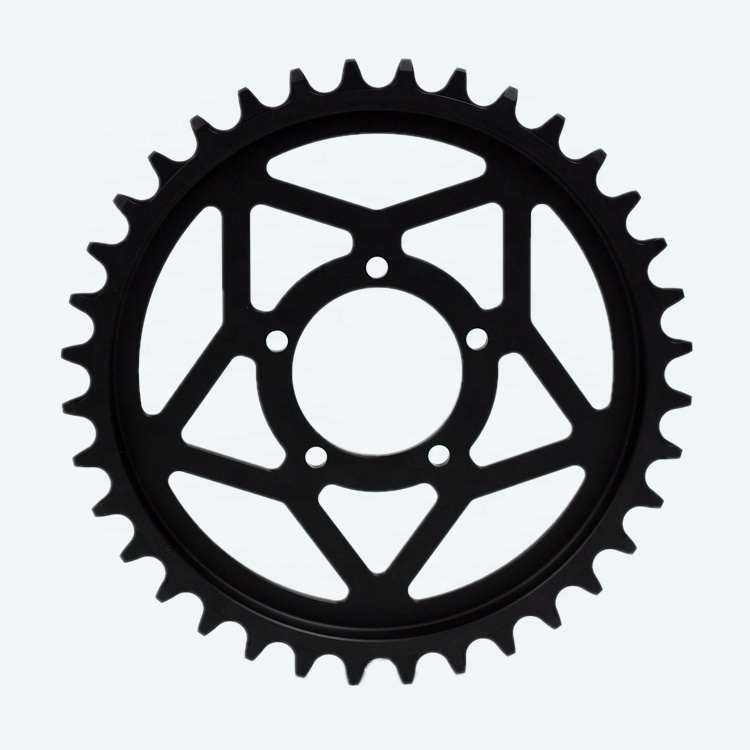
In conclusion, the application of DLC coating involves a series of carefully planned steps, from substrate preparation to the selection of the appropriate coating technique and post - treatment. Understanding these processes is key to achieving high - quality DLC coatings that can provide significant performance benefits in a wide range of applications.
How to Apply DLC Coating
Does DLC Coating Wear Off? A Comprehensive Guide to Durability and Performance
Related Article

Gears are the backbone of mechanical transmission systems, converting rotational motion and torque between shafts to power everything from household appliances to industrial machinery.
What are the 4 types of gears

CNC machines (Computer Numerical Control machines) have transformed manufacturing by delivering unmatched precision, repeatability, and efficiency across material types—from metals to plastics and composites.
Which Industries Mostly Use CNC Machines

CNC machining is celebrated for its precision and versatility in shaping metals, plastics, and composites—but its subtractive nature (removing material from a solid workpiece to create parts) raises a critical question: “Is CNC machining wasteful?” At first glance, the piles of metal shavings, plastic chips, and scrapped parts from CNC operations might suggest yes.
Is CNC machining wasteful
