
Does DLC Coating Wear Off? A Comprehensive Guide to Durability and Performance
2025-05-22
Does DLC Coating Wear Off? A Comprehensive Guide to Durability and Performance
Diamond-Like Carbon (DLC) coatings are celebrated for their exceptional hardness, low friction, and wear resistance, making them a popular choice in industries ranging from automotive to medical devices. But a common question arises: Does DLC coating wear off? In this blog, we’ll dive into the durability of DLC coatings, exploring how they interact with their environment, the factors that influence wear, and how proper surface treatment and processing can extend their lifespan.
What is DLC Coating and Why It’s Praised for Durability
Before addressing wear, let’s recap what DLC coating is. DLC coating is a thin, amorphous layer of carbon atoms bonded in a structure that combines properties of diamond (sp³ bonds) and graphite (sp² bonds). This unique structure gives it:
- High hardness (10–80 GPa, depending on type),
- Low friction coefficients (0.05–0.2),
- Excellent resistance to abrasion and corrosion.
Types of DLC coatings include:
- Hydrogenated DLC (a-C:H): Softer but more lubricious, ideal for low-load applications.
- Tetrahedral Amorphous Carbon (ta-C): Extremely hard (80 GPa) with minimal hydrogen, suited for high-wear environments.
- Metal-Doped DLC (Me-DLC): Enhanced adhesion and toughness with metal additives like tungsten or chromium.
While DLC is not indestructible, its inherent properties make it far more resistant to wear than uncoated substrates or traditional coatings like PTFE or chrome.
Does DLC Coating Wear Off? The Short Answer
Yes, DLC coatings can wear off, but their longevity depends on multiple factors. Unlike diamond (which is nearly inert and wear-resistant), DLC’s amorphous structure means it will gradually degrade under extreme mechanical stress, high temperatures, or corrosive environments. However, in most industrial and commercial applications, DLC coatings outlast uncoated materials by orders of magnitude.
Factors Influencing DLC Coating Wear
1. Coating Type and Composition
The balance of sp³/sp² bonds and presence of additives directly impacts wear resistance:
- ta-C coatings (high sp³ content) are the most wear-resistant but brittle, making them suitable for smooth, low-impact surfaces.
- a-C:H coatings (higher sp² content) are more flexible but softer, prone to wear under heavy loads or rough contact.
- Me-DLC coatings strike a balance, offering better adhesion and toughness for complex geometries.
Example: A ta-C-coated cutting tool may retain its edge for 10x longer than an uncoated steel tool in machining aluminum, but it could chip if subjected to sudden impact.
2. DLC Surface Treatment and Substrate Preparation
Proper surface treatment is critical for coating adhesion and durability:
- Cleaning: Oils, oxides, or contaminants on the substrate weaken the bond, leading to premature delamination.
- Roughening: Techniques like plasma etching or sandblasting create a textured surface for mechanical interlocking, improving adhesion.
- Interlayers: Metallic interlayers (e.g., chromium or titanium) are often used to bridge the substrate and DLC, reducing stress and enhancing bonding.
Case Study: A poorly cleaned automotive piston ring may experience DLC peeling after 1,000 hours, while a properly prepped ring could last 10,000+ hours under the same conditions.
3. DLC Coating Processing Parameters
The deposition method and process controls define the coating’s microstructure:
- Physical Vapor Deposition (PVD): Sputtering or ion beam deposition at low temperatures (≤200°C) is ideal for heat-sensitive substrates like plastics, but requires precise control of ion energy to avoid porous coatings.
- Chemical Vapor Deposition (CVD): Higher temperatures (300–800°C) can improve crystallinity but risk substrate deformation. Plasma-enhanced CVD (PECVD) offers better control over hydrogen content.
- Key Parameters: Temperature, pressure, gas flow (for CVD), and target power (for PVD) all affect coating density, hardness, and internal stress. High-stress coatings are more prone to cracking under cyclic loading.
4. Application Environment
The operating conditions dictate wear rate:
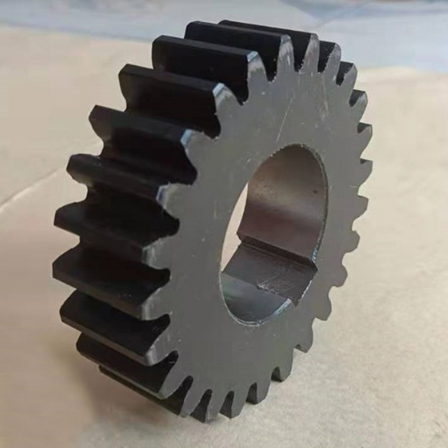
- Mechanical Load: High-contact pressure (e.g., gears or bearings) increases abrasive wear.
- Friction Type: Sliding friction (e.g., piston rings) wears DLC more slowly than abrasive friction (e.g., sand-exposed components).
- Temperature: DLC performs best below 200°C; above 300°C, hydrogenated coatings may decompose, and oxidation can occur.
- Corrosion: While DLC is chemically inert, prolonged exposure to aggressive chemicals (e.g., strong acids) or saltwater can degrade the coating over time, especially if micro-cracks exist.
Can DLC Coating Be Sustained Over Time? Best Practices for Longevity
While wear is inevitable in extreme conditions, these steps maximize DLC lifespan:
1. Choose the Right Coating Type
Match the coating to the application: ta-C for high-hardness needs, Me-DLC for complex shapes, and a-C:H for lubrication-critical parts.
2. Optimize Surface Treatment
Ensure rigorous substrate cleaning and use interlayers when bonding to metals like steel or aluminum.
3. Control Processing Parameters
Work with coating providers to fine-tune deposition conditions for your substrate (e.g., low-temperature PVD for polymers, high-energy ion beam deposition for metals).
4. Design for Wear Resistance
- Reduce contact stress through proper component geometry.
- Use lubricants compatible with DLC (avoid aggressive additives that degrade the coating).
- Implement regular maintenance to replace worn components before failure.
Balancing Durability with Application Needs
DLC coatings are not immune to wear, but their exceptional resistance makes them a top choice for demanding environments. Whether they “wear off” depends on how well the coating type, surface treatment, and processing match the application’s requirements. By selecting the right DLC variant, prioritizing proper substrate preparation, and optimizing processing parameters, you can achieve long-lasting performance that outperforms traditional coatings.
For industries where reliability and efficiency matter—from automotive engines to medical implants—DLC remains a durable, cost-effective solution when applied with care.
How is DLC Coating Applied
Related Article

Gears are the backbone of mechanical transmission systems, converting rotational motion and torque between shafts to power everything from household appliances to industrial machinery.
What are the 4 types of gears

CNC machines (Computer Numerical Control machines) have transformed manufacturing by delivering unmatched precision, repeatability, and efficiency across material types—from metals to plastics and composites.
Which Industries Mostly Use CNC Machines

CNC machining is celebrated for its precision and versatility in shaping metals, plastics, and composites—but its subtractive nature (removing material from a solid workpiece to create parts) raises a critical question: “Is CNC machining wasteful?” At first glance, the piles of metal shavings, plastic chips, and scrapped parts from CNC operations might suggest yes.
Is CNC machining wasteful
